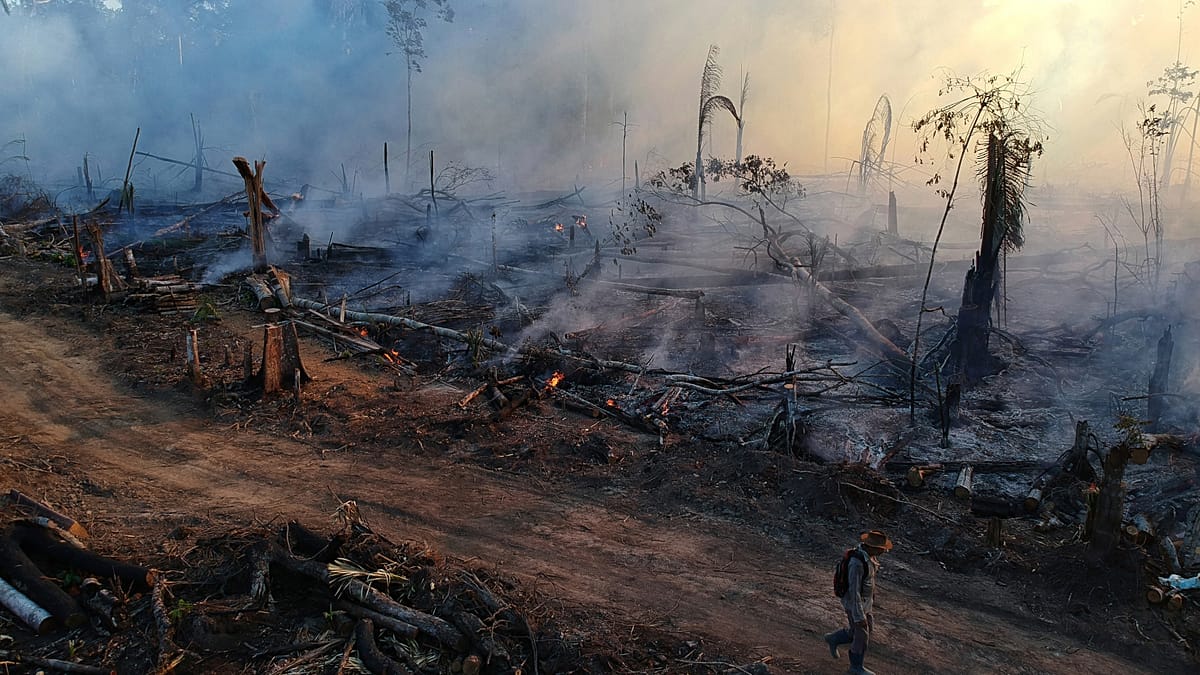
Forest fires in the Brazilian Amazon dropped to their lowest level on record in 2025, a sharp reversal from the devastating blazes of the previous year. According to a new report from the environmental monitoring network MapBiomas, 3.1 million hectares burned last year—the smallest area since satellite records began in 1985. The decline follows a peak in 2024, when an unprecedented drought fueled widespread fires, many of them human-made, that ravaged the world's largest tropical rainforest.
The progress is a significant boost for President Luiz Inácio Lula da Silva, who took office in 2022 vowing to end deforestation. Under his predecessor, Jair Bolsonaro, deforestation hit an all-time high, with 9,762 square kilometres cleared in 2019 alone—a 30 percent increase from the previous year. Lula has made environmental protection a cornerstone of his administration, pledging at COP27: "There is no climate security for the world without a protected Amazon."
Why fires fell in 2025
MapBiomas attributed the sharp decline to a combination of natural and human factors. A delayed rainy season between 2024 and 2025 blocked the "ideal window for burning" in areas where fire is used to clear agricultural land, said geographer and report coordinator Ane Alencar. This disruption, while unusual, effectively prevented many planned burns from spreading out of control.
The report also highlighted a "psychological factor" among local communities, who, fearing a repeat of the catastrophic 2024 fire season, took proactive steps to control outbreaks. Fewer fires, the report noted, "interrupts a sequence of years of fire expansion and returns the country to a historically lower level of burned area." Deforestation, which reduces the fuel available for fires, also eased in 2025, further contributing to the decline.
Nationwide, burned areas in Brazil were at their smallest since 2018. However, the Cerrado savanna in central Brazil continued to burn at similar rates, underscoring that progress in the Amazon has not been uniform across the country.
The super El Niño threat
Despite the encouraging data, Alencar warned that the arrival of a "super El Niño" could reverse the gains. In March 2025, the US National Oceanic and Atmospheric Administration (NOAA) forecast a 62 percent chance of El Niño forming by summer, with a one-in-three chance it could be "strong" during October to December 2026. While not an official term, a super El Niño refers to an exceptionally powerful version of the climate phenomenon.
In the Amazon, a super El Niño could bring an extended dry season and a greater risk of forest fires. El Niño occurs when tropical wind bursts from the west weaken trade winds, allowing warm surface water to slosh back toward South America. This warming prevents colder deepwater from upwelling, raising sea surface temperatures and altering global weather patterns. For every 1°C rise in air temperature, the atmosphere can hold about seven percent more moisture, leading to more intense rainfall in some regions and severe heatwaves in others. El Niño years are often among the warmest on record, and the phenomenon tends to increase global temperatures, which can exacerbate extreme weather events like floods and droughts.
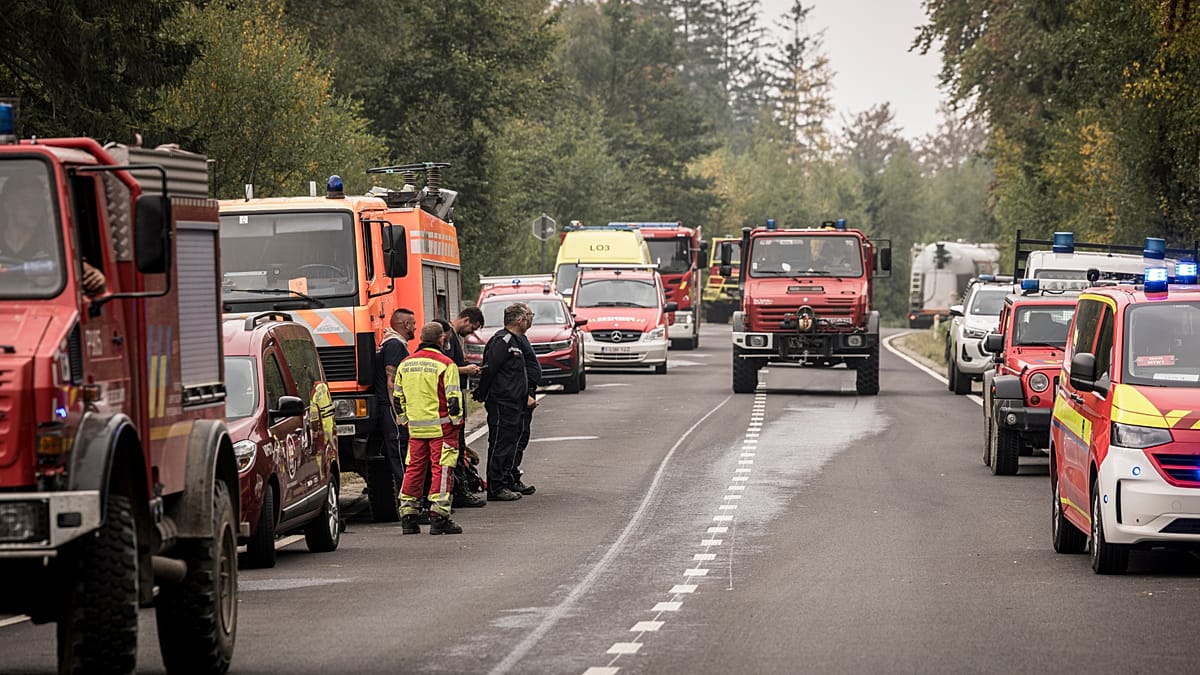
The potential for a super El Niño comes as Europe itself grapples with increasingly severe wildfires. In recent years, France has seen record blazes and Spain has faced massive fires, highlighting the continent's own vulnerability to climate-driven fire seasons.
Lula's environmental balancing act
Lula's environmental record has been a mixed bag. While deforestation has fallen sharply—by a third in the first six months of his term and by 68 percent by April 2023—his endorsement of a major offshore oil exploration project near the mouth of the Amazon has drawn fierce criticism from activists. The leftist leader is seeking a fourth non-consecutive term in October 2026 elections, partly by championing environmental causes, but the oil project threatens to undermine his green credentials.
The Amazon's role in global climate stability cannot be overstated. Its dense vegetation absorbs vast amounts of carbon dioxide, making its protection essential for meeting international climate targets. As Alencar put it, the progress in 2025 is "out of the ordinary," but the looming threat of a super El Niño means that vigilance and sustained policy efforts are more critical than ever.