The next tropical storm to form in the Atlantic this hurricane season will be called Dolly, but the name has nothing to do with the death of country music legend Dolly Parton. The timing is purely coincidental, according to the procedures that govern storm naming.
Storm names are assigned by the World Meteorological Organisation (WMO), which maintains rotating lists that are reused every six years. For the Atlantic, names follow an alphabetical sequence, alternating between male and female. The current list has been in use since 2019, and Dolly was already scheduled to be the fourth name of the 2025 season.
This year's Atlantic season has already seen Tropical Storm Arthur make landfall on the US Gulf Coast in June, followed by Tropical Storm Bertha, which brought heavy rain to Louisiana and Texas in July. Earlier in August, Tropical Storm Cristobal formed and quickly dissipated over the open Atlantic.
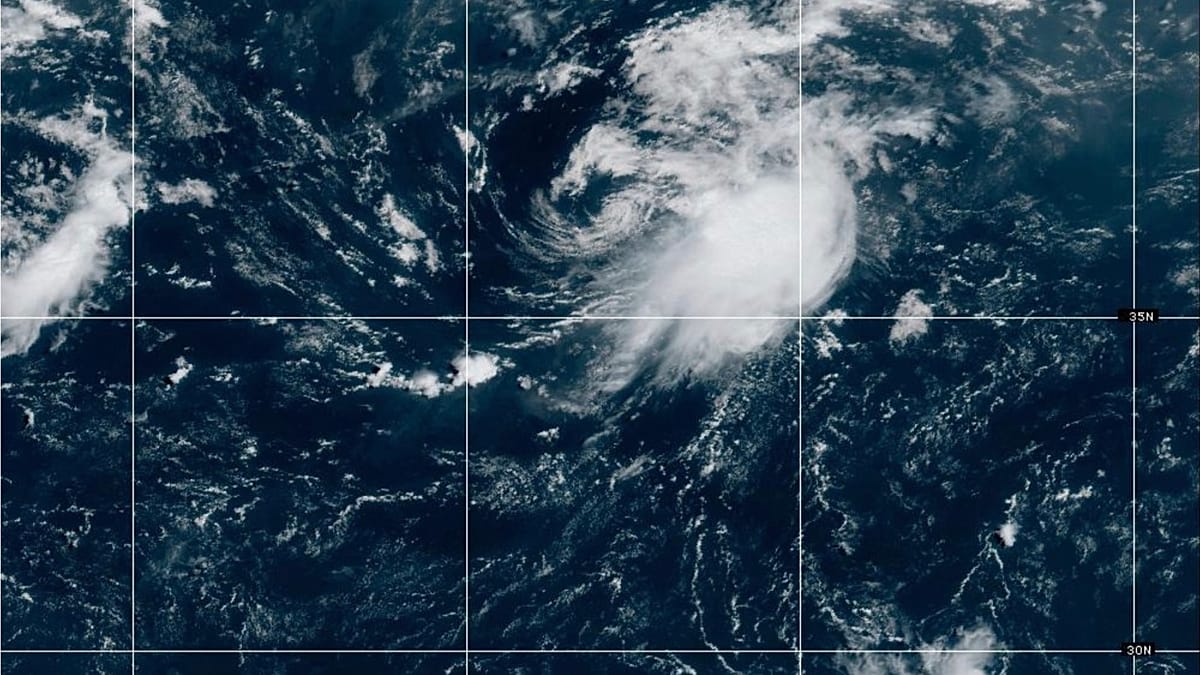
Now, forecasters at the US National Hurricane Centre (NHC) in Miami are tracking a disturbance off the coast of West Africa. Conditions appear favourable for the cluster of thunderstorms south of the Cabo Verde Islands to develop into a tropical depression within the next week. If it strengthens further, with maximum sustained winds of at least 63 km/h, it would be designated Tropical Storm Dolly.
Meanwhile, another system far northeast of Bermuda remained disorganised on Tuesday, with forecasters giving it only a low chance of further development.
Why storm names matter
The naming of storms is not just a matter of convenience; it is a critical tool for public safety. The NHC and other meteorological agencies use names to communicate warnings clearly and avoid confusion, especially when multiple storms are active at the same time. The WMO selects names that are short, easy to pronounce, and familiar to the regions where they are used. The organisation meets regularly to review the lists and can retire names that are associated with particularly deadly or destructive storms, out of sensitivity to affected communities.
Dolly Parton, the iconic singer and songwriter, died on Tuesday at the age of 80 after what her team described as a brief battle with cancer. Her passing has prompted an outpouring of tributes from around the world, but it has no bearing on the naming of Atlantic storms. The coincidence has nonetheless sparked curiosity among some observers, highlighting how the public often seeks connections between unrelated events.
For Europe, the Atlantic hurricane season can have indirect effects, particularly on weather patterns across the continent. While direct landfalls are rare, the remnants of tropical storms can bring heavy rainfall and strong winds to parts of Western Europe, as seen in past seasons. The extreme weather events battering Europe this summer, from wildfires to floods, underscore the importance of monitoring such systems.
The National Oceanic and Atmospheric Administration (NOAA) has predicted a below-average Atlantic hurricane season this year, largely due to the El Niño phenomenon, which tends to suppress storm activity. The agency forecasts eight to fourteen named storms, with three to six reaching hurricane strength, and one to three intensifying into major hurricanes. So far, the season has been relatively quiet, but forecasters caution that the peak months of August and September can still produce significant storms.
As the system near Cabo Verde develops, residents and authorities in the Caribbean and the southeastern United States will be watching closely. For now, the name Dolly is set to make its appearance in the 2025 Atlantic list, a reminder of the cyclical nature of both storm naming and the cultural legacy of the singer who shared the name.