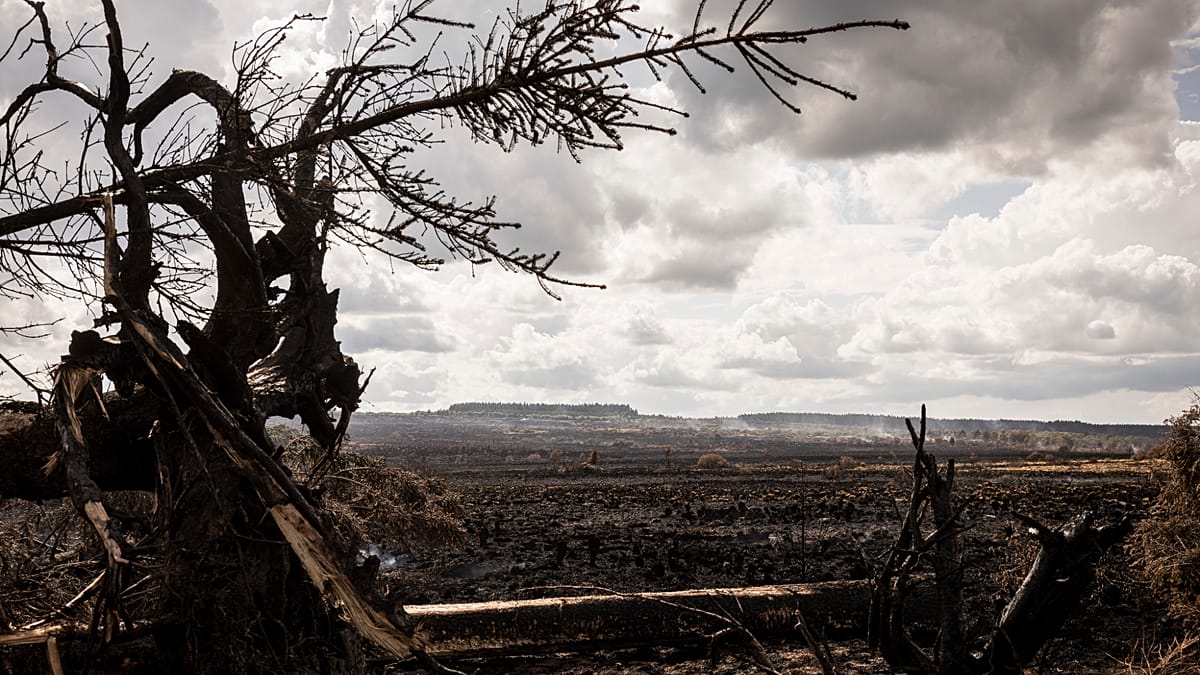
Europe is enduring a week of extreme weather, with wildfires, floods, and storms striking multiple countries and forcing thousands of people from their homes. From the Balkans to the Iberian Peninsula, emergency services are stretched as they battle blazes, rescue residents, and restore power.
Serbia: EU aid and a massive blaze
In Serbia, the European Union has deployed helicopters and firefighters to support local crews tackling a wildfire that has consumed more than 1,600 hectares of the Deliblatska Peščara nature reserve, about 60 kilometres east of Belgrade. The fire, which has been burning for days, is also being fought with the help of a Russian Ilyushin Il-76 water bomber and several Serbian army helicopters.
Interior Minister Ivica Dačić described the situation as "extremely difficult," noting that more than 400 people are deployed on the ground daily. The blaze has been fuelled by months of dry weather and strong winds, leaving the region's vegetation highly flammable.
Bosnia and Croatia: cross-border fire disrupts tourism
The crisis has spread across the border into Bosnia and Herzegovina, where a large fire broke out on Saturday near the town of Trebinje. The blaze forced the closure of the main highway connecting Trebinje to Dubrovnik in Croatia, sending thousands of tourists back and disrupting holiday plans. Several villages around Ivanica were evacuated as flames approached homes, and local firefighters reported that some livestock perished in the fire.
Croatian firefighters from Dubrovnik joined their Bosnian counterparts in battling the forest fire, which has spread over an area more than 16 kilometres in diameter across rugged, hard-to-reach terrain. Helicopters have been deployed to drop water, but relentless heat and strong winds have pushed the fire further inland. The Trebinje area has not seen rain for months, leaving the landscape exceptionally vulnerable during one of the hottest and driest summers in recent memory.
Spain: floods and fires in a weekend of extremes
Spain has faced a weekend of contrasting weather extremes. Torrential rain in Tarragona left 11 people injured and disrupted road and rail services after more than 145 millimetres fell in some areas. Further strong thunderstorms are forecast across eastern and northeastern Spain, while an unusually powerful Atlantic low is bringing heavy rain to Galicia.
Meanwhile, firefighters in the eastern Valencia region continued battling intense wildfires. A blaze that broke out in the town of Segorbe late Thursday after a lightning strike spread rapidly on Friday afternoon as winds shifted, prompting authorities to raise the emergency to Level 2. Personnel from Spain's Military Emergency Unit and local fire departments joined the response, and more than 1,000 residents from the nearby town of Gatova were evacuated. Aerial resources helped stabilise the fire after it burned around 630 hectares. The events mark a sharp shift from earlier in the week, when temperatures reached up to 44°C.
Poland: storms wreak havoc
Further north, Poland has been battered by severe storms since Friday. Firefighters have responded to more than 6,500 incidents, and 12 scout camps were evacuated as a precaution amid floods and power cuts. Brigadier Karol Kroć of the State Fire Service told the Polish Press Agency that no injuries have been reported so far.
On Sunday, storms were still expected in northern Poland, with yellow weather warnings issued for two small regions. Heavy rainfall of up to 30 litres per square metre and wind gusts of up to 70 kilometres per hour are possible, along with hail. However, conditions across the rest of the country have improved significantly, and the weather is expected to be much calmer.
The extreme weather across Europe is a stark reminder of the continent's vulnerability to climate change. As wildfires expose unexploded WWII bombs in some areas, and overnight storms batter Poland, the need for robust emergency response and climate adaptation becomes ever more urgent. The situation in Serbia's Deliblatska Peščara remains critical, and Portugal battles wildfires with over 2,000 personnel as heat persists.