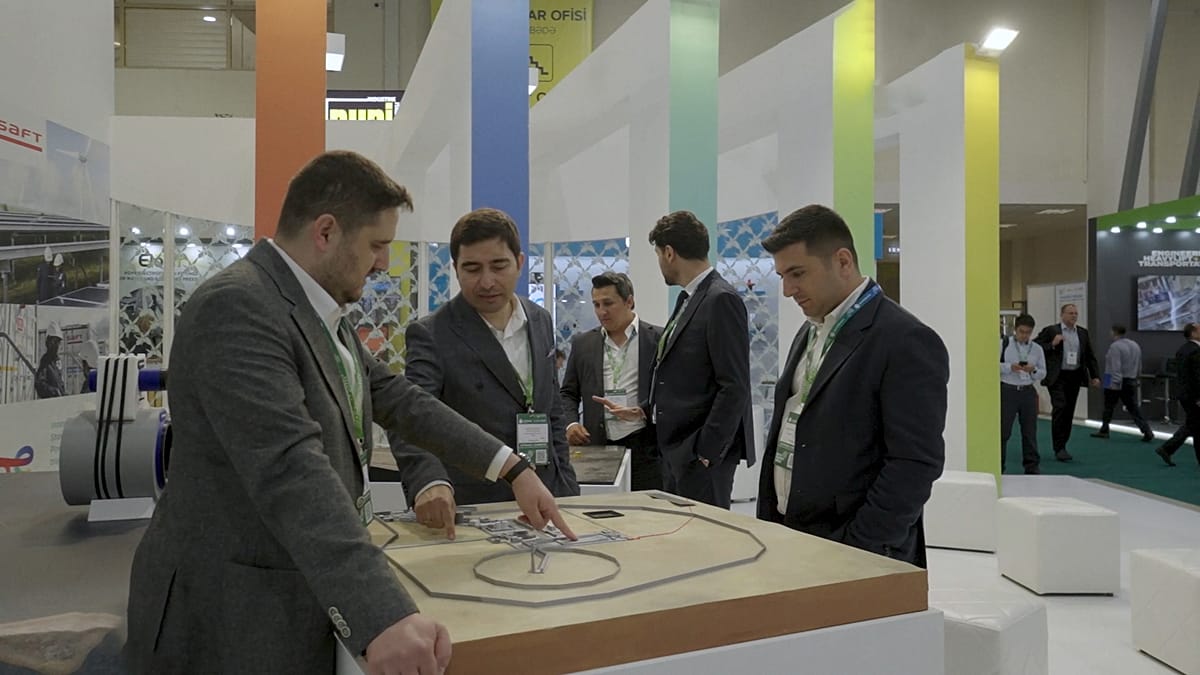
From 3 to 6 June 2026, Baku hosted the annual Baku Energy Week, drawing ministers, energy executives, and policymakers from 46 countries. The event, centred on the theme of connectivity and cooperation, reflected a broader shift in how Europe and its neighbours approach energy security and transition.
Speakers emphasised that the energy landscape is no longer defined solely by supply and demand but by a complex interplay of geopolitics, technology, and climate imperatives. With the Houthi Red Sea ban and Hormuz blockade threatening global energy routes, the urgency of diversifying supply chains and investing in resilient infrastructure was a recurring topic.
Key Themes: Security, Diversification, and Renewables
Energy security dominated the agenda, particularly for European delegates. The war in Ukraine and subsequent disruptions to Russian gas flows have forced EU member states to rethink their energy dependencies. Azerbaijan, as a key supplier of natural gas to Southern Europe via the Southern Gas Corridor, positioned itself as a reliable partner. Several bilateral meetings on the sidelines of the event focused on expanding this corridor to include more renewable hydrogen and green electricity.
Renewables were another central pillar. The European Commission’s REPowerEU plan, which aims to accelerate the clean energy transition, was cited as a blueprint for reducing reliance on fossil fuels. Delegates from Germany, France, and the Netherlands discussed cross-border projects for offshore wind and solar, while representatives from the Balkans and the Caucasus explored opportunities for hydropower and solar farms.
Digitalisation of energy grids also featured prominently. Smart grids, AI-driven demand management, and blockchain for energy trading were presented as tools to enhance efficiency and integrate variable renewable sources. The event showcased pilot projects from Estonia and Denmark, two countries at the forefront of digital energy innovation.
Geopolitical Undercurrents
The conference took place against a backdrop of heightened geopolitical tensions. The IRGC threat to regional energy infrastructure and the ongoing conflict between Iran and Israel cast a shadow over discussions about energy routes through the Middle East. Several sessions addressed the need for alternative transit corridors, including the Middle Corridor through the Caucasus and Central Asia, which bypasses both Russia and the Strait of Hormuz.
European leaders also noted the German growth halved as state spending fails to offset energy shock, a stark reminder that energy costs directly affect economic competitiveness. The German delegation stressed the importance of affordable energy for industry, while advocating for continued investment in renewables to avoid future price spikes.
Investment and Innovation
Investment was a cross-cutting theme. The International Energy Agency (IEA) presented data showing that global energy investment is set to exceed €3 trillion in 2026, with renewables accounting for the largest share. However, speakers warned that much of this investment is concentrated in a few countries, leaving regions like Africa and parts of Asia underserved. The Global Environment Facility’s pledge of €3.4 billion for climate, biodiversity, and water security was welcomed as a step towards more equitable financing.
Innovation was showcased in a dedicated exhibition hall, where startups from across Europe demonstrated new technologies in energy storage, carbon capture, and green hydrogen. A notable example was a Spanish company presenting a novel method for producing hydrogen from wastewater, which could significantly reduce costs.
Looking Ahead
Baku Energy Week 2026 concluded with a joint declaration reaffirming the commitment to multilateral cooperation. Participants agreed to establish a permanent working group on energy connectivity, tasked with identifying priority projects and removing regulatory barriers. The next edition is scheduled for June 2027, with an expanded focus on Africa and Asia.
As Europe navigates the twin challenges of decarbonisation and energy security, events like Baku Energy Week serve as crucial platforms for dialogue. The message from Baku was clear: the future of energy is interconnected, and no country can go it alone.