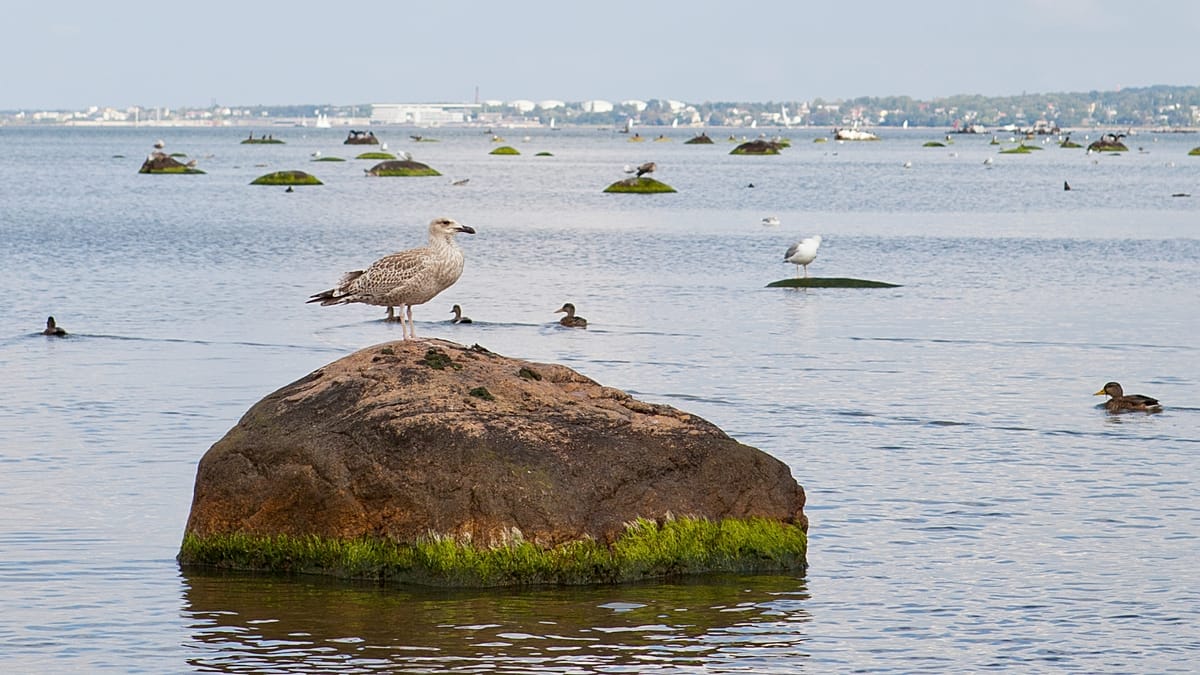
The Baltic Sea, a semi-enclosed inland sea bordered by nine countries in northeastern Europe, is among the most polluted bodies of water on the planet. Its history includes the dumping of thousands of tonnes of chemical munitions after the Second World War, and today it faces pressures from microplastics, industrial chemicals, and agricultural runoff. Now, a growing concern is the presence of pharmaceuticals—painkillers, anti-epileptics, and other drugs—that are finding their way into the sea and affecting its fragile ecosystem.
Researchers from Sweden, Finland, Lithuania, and Latvia are investigating how to tackle this pharmaceutical pollution. They argue that the problem cannot be solved solely at the shoreline, as Marmar Nekoro, a researcher at Uppsala University's faculty of pharmacy in Sweden, told Euronews: “It's not only about wastewater treatment. We have to look across the rest of the life cycle.”
Much of the pollution could be prevented earlier in the chain—when a medicine is prescribed, when a patient decides how to take it, and when unused packets are returned to pharmacies instead of being flushed or thrown away. The goal is not to discourage patients from taking necessary medications, but to consider environmental impact when several clinically equivalent options exist.
One drug under scrutiny is diclofenac, a common anti-inflammatory painkiller that has been detected in aquatic environments. Kristina Garuolienė, a researcher at Vilnius University, explained that there are situations where alternatives could be considered. “That is turning to rational prescribing; when doctors are prescribing medicine, they have to also think about which medicine is not dangerous to the environment,” she told Euronews.
The scale of the problem
Pharmaceuticals enter the Baltic through multiple pathways: wastewater from households and hospitals, discharges from production sites, and runoff from agriculture and other land-based sources. Even pet faeces can contribute if not properly disposed of. According to a decade-old report by UNESCO and the Baltic Marine Environment Protection Commission, wastewater treatment plants alone release an estimated 1,800 tonnes of pharmaceuticals into the Baltic each year. Most plants still lack a fourth treatment stage designed to remove these pollutants.
Once in the sea, many drugs persist for a long time. Carbamazepine, used for epilepsy and nerve pain, takes nearly three and a half years to break down by half, leading to accumulation. “The breakdown is very, very slow,” noted Nekoro.
The primary concern is not direct harm to swimmers, but the effects on marine organisms. Synthetic oestrogens can feminise fish and frogs, potentially disrupting populations. The Baltic blue mussel (Mytilus edulis), a key filter-feeding species, may have less energy for growth and metabolism when exposed to certain painkillers. Such changes add pressure to an ecosystem already stressed by eutrophication and other pollutants.
Björn Wettermark, professor of pharmacoepidemiology at Uppsala University and project leader, emphasised that improving prescribing practices could yield multiple benefits. “We know for several studies for a long time that not the best drugs are being prescribed, neither from the clinical effect of it, or we have an overuse which is unnecessary,” he said. “So there are lots of win-wins here through improving the prescribing and the use of medicines first, but both are probably needed to get an impact on the environment.”
However, changing prescribing habits is not straightforward. A recent Swedish study on environmentally responsible prescribing found that doctors need more targeted education and better access to environmental information. The researchers are also looking at how patients can be encouraged to return unused medicines to pharmacies, and how health systems can reduce overprescription.
The issue is particularly acute in the Baltic, which is more vulnerable than open seas due to its enclosed nature and slow water exchange. As the region grapples with broader security and environmental challenges—such as Baltic warnings on Russia and air pollution in European cities—addressing pharmaceutical pollution is part of a wider effort to protect the continent's natural heritage.
While the research is still ongoing, the message is clear: reducing pharmaceutical pollution in the Baltic requires action far beyond the wastewater treatment plant. It starts with the decisions made in doctors' offices and at patients' homes, and it demands a more holistic approach to how medicines are prescribed, used, and disposed of across Europe.