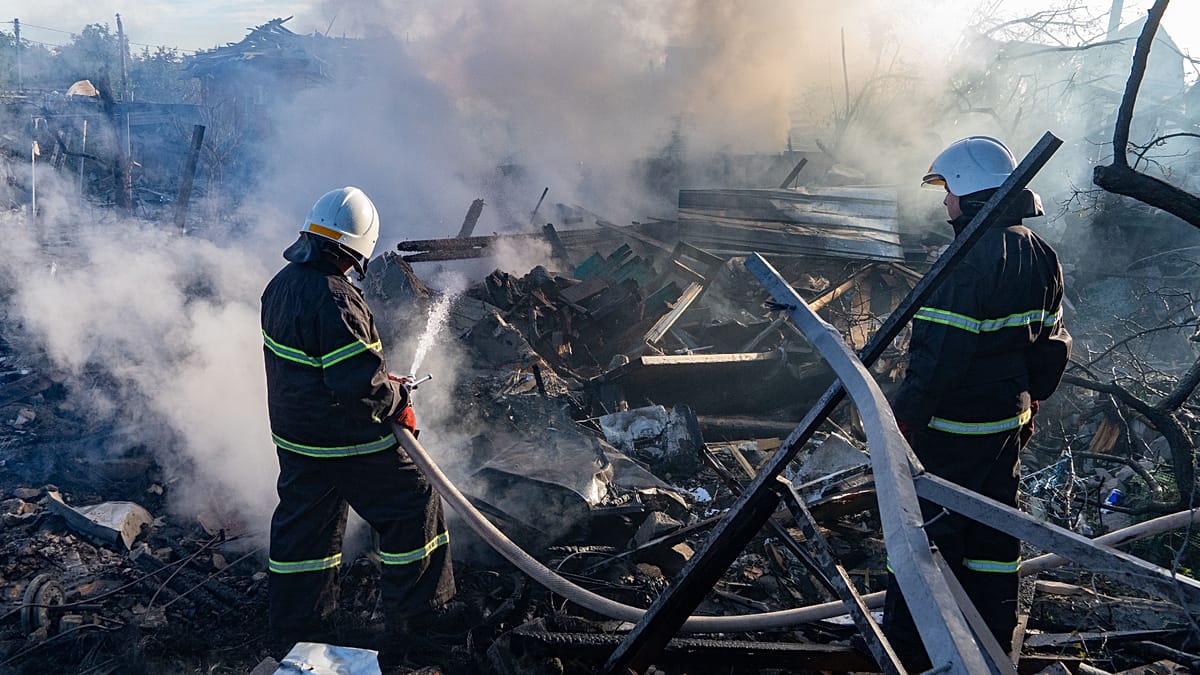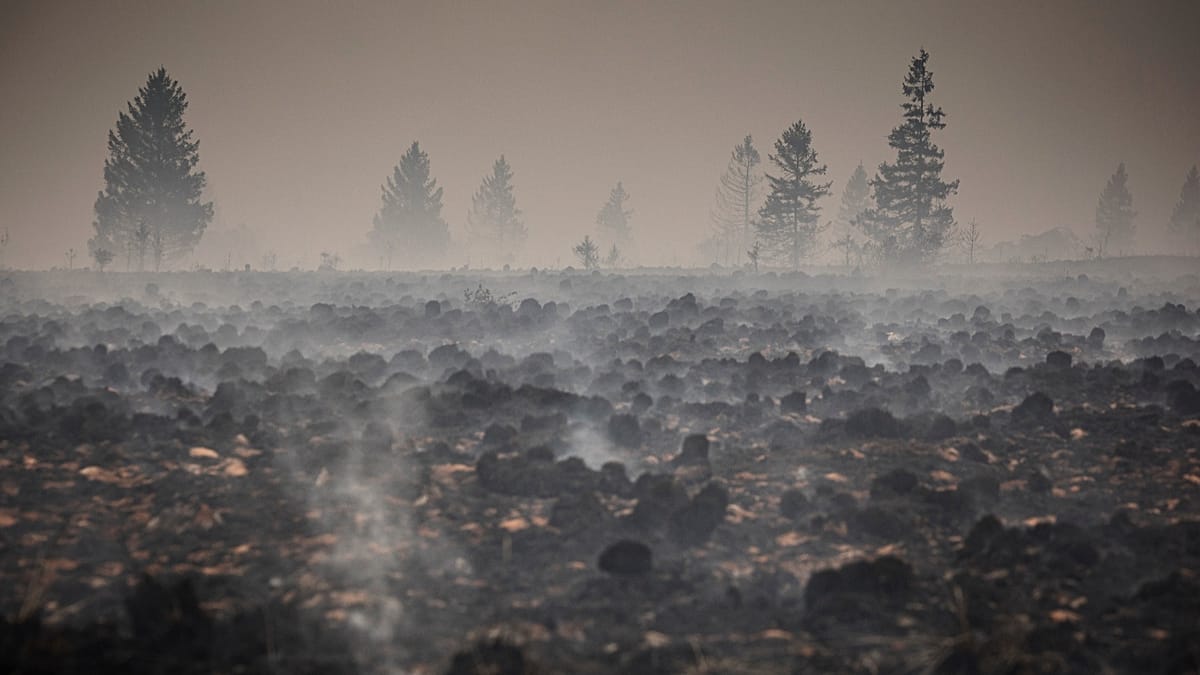
Firefighters in eastern Belgium mounted a decisive push on Tuesday to fully contain the massive wildfire burning in the High Fens nature reserve, even as forecast winds threatened to complicate the operation. Regional government spokesperson Nicolas Yernaux told AFP that crews were focusing on "reinforcing our eastern defences" ahead of "sustained winds" blowing toward the German border, just a few kilometres away.
"We are trying to definitively encircle the fire today," Yernaux said, describing the effort as a race against time. The blaze, which has been burning since Friday, has already consumed around 3,000 hectares of the High Fens—a vast expanse of peat bogs, pine forests, and hiking trails that straddles the Belgian-German frontier. That area is roughly half the size of Manhattan.
Tony Hosmans, spokesperson for the crisis cell coordinating the response, said the fire had not expanded further overnight, but cautioned that it was still far from being under control. "We cannot yet say it is contained," he told reporters. "It could change according to the weather."
Winds threaten to shift the fire toward Germany
The main concern on Tuesday was the arrival of strong winds, which could push the fire eastward into German territory. Over the weekend, the flames crept close enough to the town of Monschau that authorities issued a partial evacuation order. Philipp Krueger, the firefighting chief in Monschau, said crews were preparing for a "new situation" with challenging gusts. "We are dealing with strong winds today," he said, warning that the fire could become more unpredictable.
On Monday, a brief spell of rain offered some relief to the 500 firefighters and emergency personnel deployed on site, but officials stressed that conditions could shift rapidly. Farmers have joined the effort, using tractors and water trailers to douse hotspots, while helicopters with Bambi Buckets have been dropping water on the flames when weather permits.
The High Fens blaze is the largest wildfire in Belgium since 1911, when a similar period of heatwaves and drought devastated the same region. King Philippe visited the fire zone on Monday to show support for the emergency crews, who have been battling the flames for days.
Smoke spreads across the border
A thick plume of yellowish smoke has blanketed the border area, and fumes have been detected as far away as eastern France, where authorities issued an air-pollution alert. Two Belgian villages have been evacuated, and residents were still under orders to stay away on Tuesday.
The fire is part of a broader pattern of extreme wildfires across Europe this summer. France, Greece, Portugal, and Spain have all been fighting major blazes, with Germany also evacuating a border town as flames threatened. The European Union has mobilised firefighting aircraft and personnel to assist affected countries, but the scale of the fires has stretched resources thin.
In the High Fens, the immediate priority is to prevent the fire from jumping the border. "We are doing everything we can to keep it on the Belgian side," said Yernaux. But he acknowledged that the outcome depends on the weather, which remains unpredictable.
The blaze has also highlighted the vulnerability of peatland ecosystems, which can smoulder underground for weeks and reignite even after the surface flames are extinguished. Firefighters are using thermal imaging to detect hotspots and are digging firebreaks to stop the spread.
As the operation continues, local communities are rallying to support the crews. Volunteers have been providing food and water to farmers and other workers at the scene, while emergency services from across Belgium and Germany have been coordinating their efforts.
The High Fens fire is a stark reminder of the growing threat posed by climate change, which has made summers hotter and drier across the continent. With more extreme weather forecast in the coming weeks, authorities are bracing for further outbreaks.