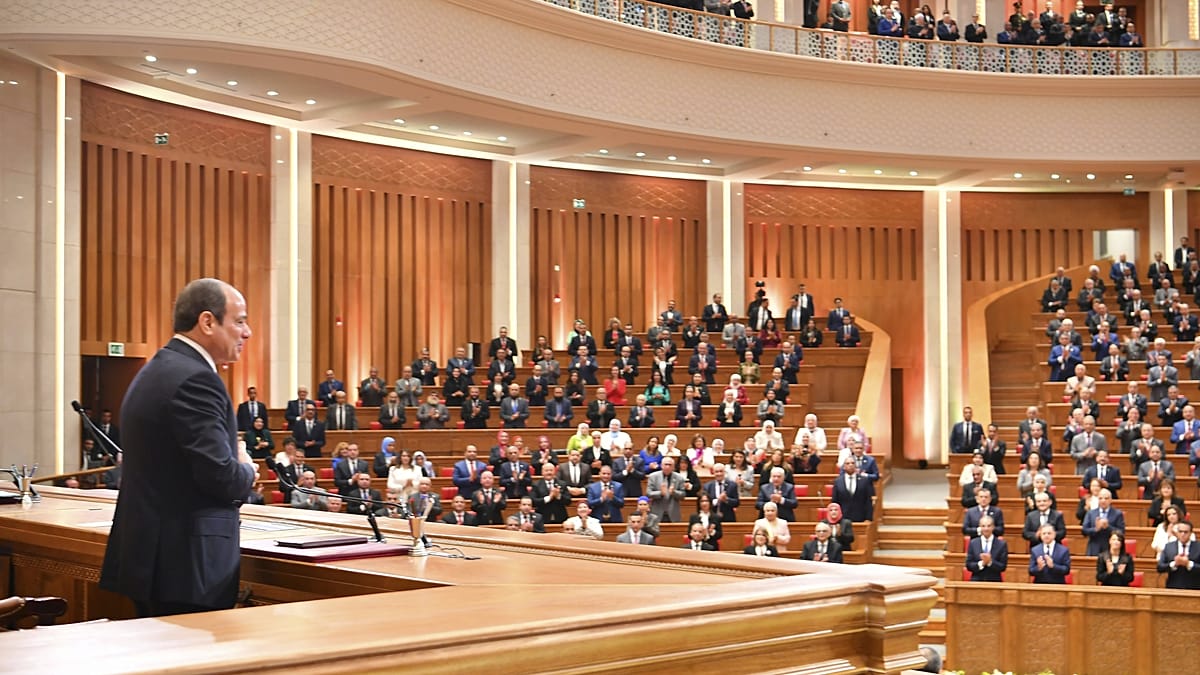
Belgium is charting a new course in energy policy. Prime Minister Bart de Wever announced on Thursday that his government has begun formal negotiations with French energy giant Engie to take full ownership of the country's nuclear power plants. The goal: to bring Belgium's electricity generation under direct state control and reduce reliance on imported fossil fuels.
In a post on X, de Wever confirmed that an agreement had been reached with Engie to define the terms and launch the necessary studies for a complete takeover of the Belgian nuclear park. "This government chooses safe, affordable and sustainable energy," he wrote. "With less dependence on fossil imports and more control over our own supply."
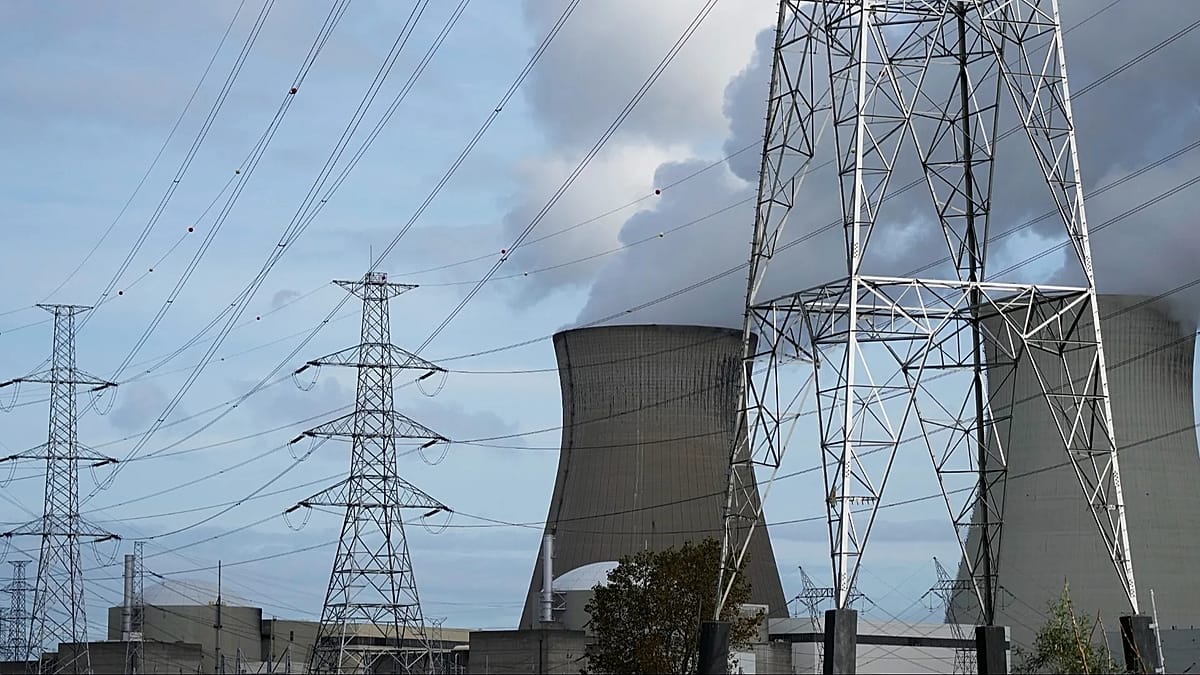
The reactors in question are located at two sites: Doel, near Antwerp, and Tihange, in the Liège region. Of the seven units originally built, five were shut down between 2022 and 2025. The two remaining reactors—Doel 4 and Tihange 3—had their operating licenses extended for ten years until 2035 under a 2023 agreement reached by the previous administration.
A Reversal of Course
De Wever's announcement marks a sharp departure from Belgium's earlier phase-out policy, which had been in place for decades. The previous government had committed to closing all nuclear plants by 2025, but the energy crisis triggered by Russia's full-scale invasion of Ukraine in 2022 forced a rethink. Soaring electricity prices and supply disruptions prompted many European capitals to reconsider atomic power.
Engie, however, has been reluctant to stay in the nuclear business. The company has publicly stated its intention to exit nuclear energy and focus on renewables—wind, solar, batteries, and gas-fired plants. "Engie has made a decision to leave nuclear. We respect that, but a country with nuclear ambitions and an operator wanting to get out is not a good combination," de Wever told Flemish public broadcaster VRT.
The Belgian prime minister also confirmed that all decommissioning work initiated by Engie has been halted with immediate effect, pending the final outcome of the negotiations. A definitive agreement is expected by October.
Belgium's move comes as several European countries are doubling down on nuclear energy. Czechia is betting big on new reactors, and the European Union has accelerated its push for both renewables and nuclear power in response to the closure of the Strait of Hormuz, which disrupted global energy markets. The EU's accelerated energy strategy explicitly includes nuclear as a low-carbon source to bolster energy security.
For Belgium, the stakes are high. The country has limited domestic fossil fuel resources and has long been a net importer of electricity. By taking control of its nuclear fleet, the government hopes to stabilize prices and shield consumers from future shocks. The move also aligns with broader European trends: energy costs have driven inflation higher in Germany and Spain, and the EU has relaxed state aid rules to help businesses cope with the crisis.
Critics, however, warn that nationalization may not be a panacea. Operating nuclear plants requires specialized expertise, long-term waste management plans, and significant investment. Engie's departure could leave Belgium scrambling to find qualified operators and maintain safety standards. Environmental groups have also raised concerns about the cost and safety of extending the life of aging reactors.
De Wever's government has yet to detail the financial terms of the takeover or how it plans to fund the continued operation of the plants. But the prime minister is clear: Belgium's energy future will be nuclear-powered, at least for the next decade. Whether this gamble pays off will depend on the outcome of the negotiations and the country's ability to manage the transition without Engie.