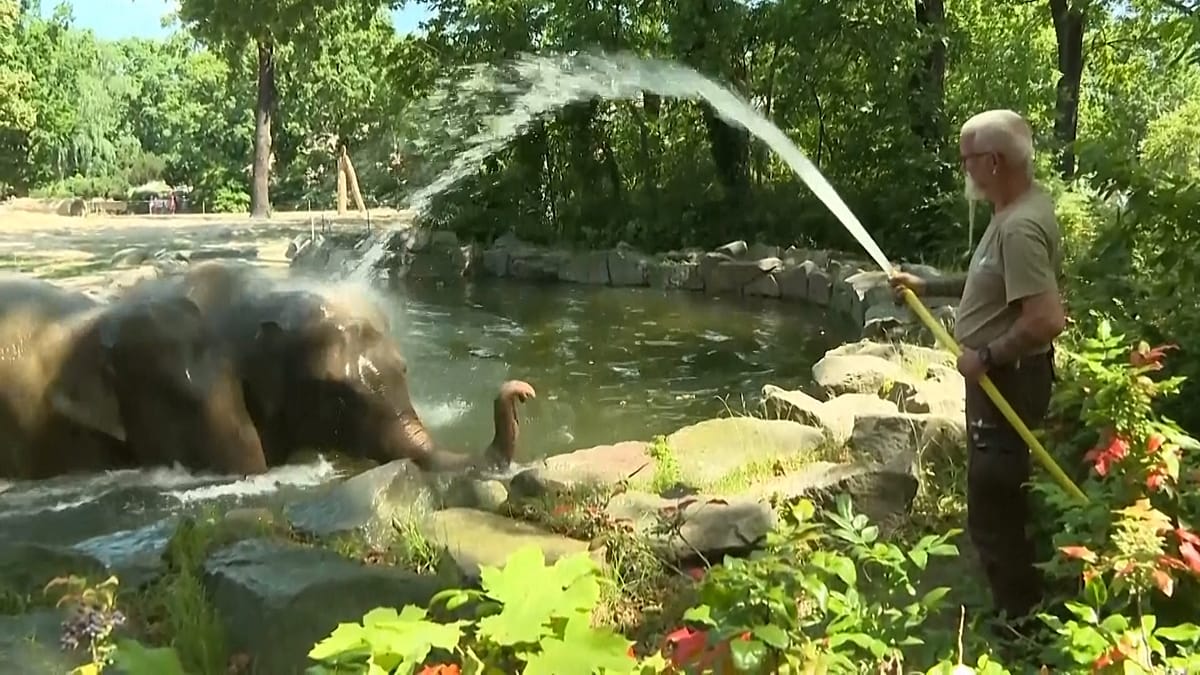
As a punishing heatwave settles over much of Europe this weekend, Berlin Zoo has introduced innovative cooling methods for its animals, including ice bombs and water showers for elephants and bears. The zoo's efforts highlight the broader challenges of climate adaptation across the continent, where rising temperatures are reshaping daily life from the Baltic to the Balkans.
Cooling Strategies in Action
Keepers at the Tierpark Berlin and Zoologischer Garten Berlin have been deploying large blocks of ice—often filled with fruits or vegetables—into enclosures, creating what staff call “ice bombs.” These provide both a refreshing treat and a source of enrichment for animals like the zoo’s Asian elephants and brown bears. Additionally, overhead sprinklers and handheld hoses deliver regular water showers to help the animals regulate their body temperature.
“The elephants especially enjoy the ice bombs,” said a zoo spokesperson. “They break them apart with their trunks and share the contents. It’s a natural way to keep them engaged and cool.” The bears, meanwhile, have been observed lounging under the spray of water jets, a behavior that keepers say mirrors their wild instincts to seek out rivers or streams during hot spells.
The heatwave, which has pushed temperatures above 35°C in parts of Germany, is part of a broader pattern of extreme weather events across Europe. Earlier this summer, southern Europe saw record-breaking heat, with wildfires in Greece and Spain, while northern regions experienced unseasonably warm conditions. The situation has prompted discussions about the resilience of urban infrastructure, including zoos, which must adapt to ensure animal welfare.
Berlin’s approach is not unique. Zoos in cities like Vienna, Prague, and Warsaw have also implemented similar measures, such as misting systems and shaded areas, as part of a growing recognition that climate change demands proactive management. The cleanest swimming waters in Europe, often found in lakes and rivers, are also under pressure from rising temperatures, affecting both recreation and ecosystems.
The heatwave’s impact extends beyond animal care. In Berlin, public health officials have issued warnings about heat-related illnesses, urging residents to stay hydrated and avoid strenuous activity during peak hours. The city’s public transport system has also faced delays due to heat-related track issues, a common problem in many European cities with aging infrastructure.
For the zoo, the focus remains on the animals. “We monitor each species closely,” the spokesperson added. “Some, like the polar bears, are more adapted to cold, so we provide extra shade and cooling pools. Others, like the elephants, are surprisingly resilient but still need our help.” The zoo has also adjusted feeding schedules to avoid the hottest parts of the day and increased the availability of water in all enclosures.
The heatwave is expected to persist into next week, with meteorologists predicting little relief. As Europe bakes, the scene at Berlin Zoo serves as a microcosm of a continent grappling with the realities of a warming climate. The Global Environment Facility’s recent pledge of €3.4 billion for climate and biodiversity projects underscores the scale of investment needed, but local actions like these are equally vital.
In the meantime, visitors to the zoo have been treated to an unusual sight: elephants playfully smashing ice blocks with their trunks, and bears cooling off under showers. It’s a reminder that even in the face of extreme weather, life—and adaptation—continues.