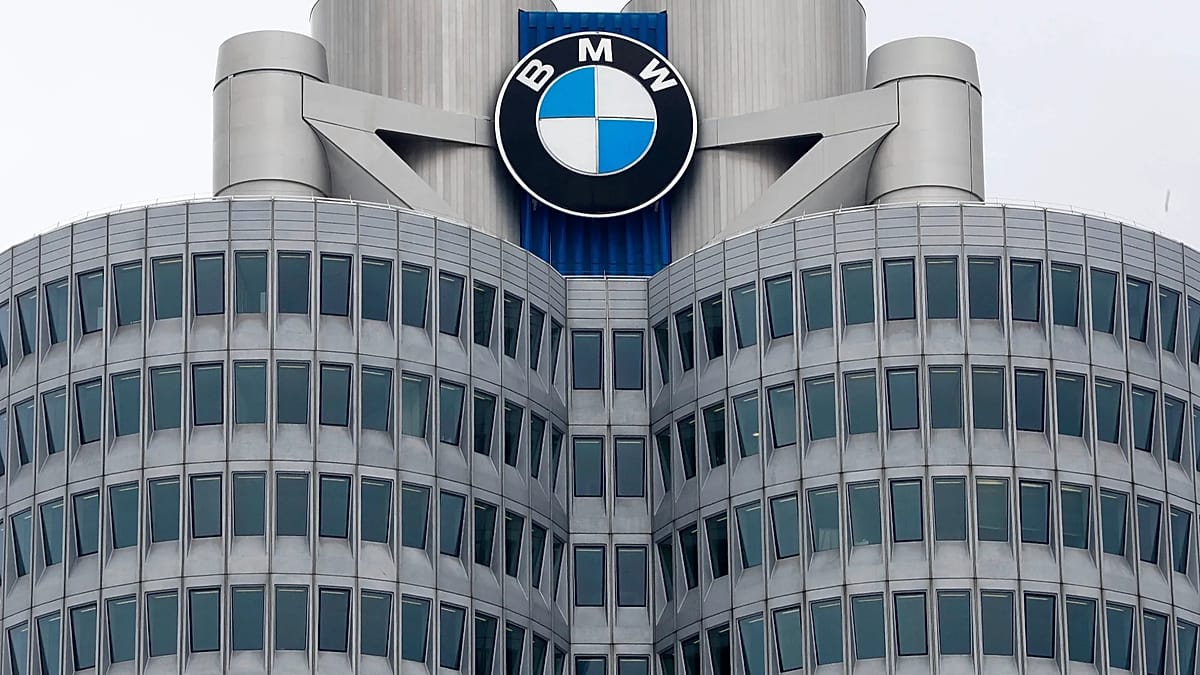
BMW's third-quarter results, released on Wednesday, underscore the mounting pressure on Germany's automotive industry. The Munich-based group reported a pre-tax profit decline of 11% year-on-year, just hours after issuing its second profit warning of 2026. Net profit fell roughly 15% to €1.45bn, while revenue slipped almost 6% to €30.45bn.
The company's core car division saw its operating margin narrow to 3.4% in the quarter, down from 5.2% a year earlier. BMW now expects the division's full-year operating margin to land between -0.5% and +0.5%, a sharp downgrade from its previous forecast of 1–3%. The warning reflects restructuring costs, including 8,000 layoffs in Germany, that could push the car business into an operating loss for the year.
CEO Milan Nedeljkovic struck a resolute tone on Wednesday: "Current developments in our industry call for decisiveness and swift implementation. We will therefore specifically intensify and accelerate structural measures."
Chinese competition reshapes the market
BMW's struggles are emblematic of a broader shift in the global auto industry. Lower-cost and technologically advanced Chinese manufacturers have not only eroded the market share of German brands in China but are now stepping up exports to Europe. Mercedes-Benz and Volkswagen are pursuing similar cost-cutting measures as they confront the same competitive pressure.
Deliveries in China, BMW's largest single market, fell 24.8% in the third quarter, dragging global deliveries down 6.3%. Last year, sales in China were already at their lowest level since 2017. By contrast, deliveries rose 2.6% in Europe and 2.5% in the United States, offering some respite.
To regain ground in China, BMW has pledged to localise more of its supply chain for vehicles sold there. The group, which also owns Mini and Rolls-Royce, is betting that a stronger local footprint will help it compete against domestic rivals like BYD and Nio.
The company's shares were up 2% from Tuesday's close by mid-morning on Wednesday, as investors digested the news. Yet the longer-term outlook remains clouded by the structural challenges facing Europe's automotive sector, from the transition to electric vehicles to intensifying global competition. As Kärcher's CEO recently warned, Europe faces a 'perfect storm' of economic headwinds that demands urgent reform.
For BMW, the road ahead will require not only cost discipline but also a clear strategy to defend its position in an industry where the rules are being rewritten. Whether the company can navigate this transition without a loss in 2026 remains an open question.