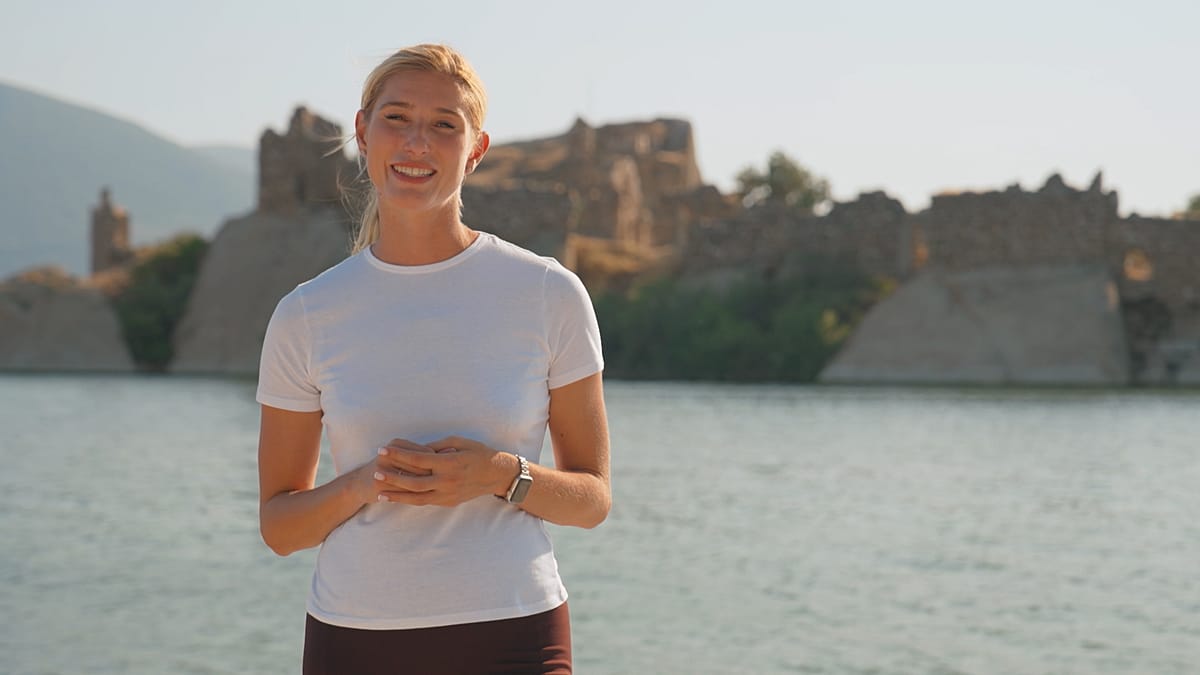
Bodrum, a town on Türkiye's Aegean coast, has long been shaped by the interplay of its people and its landscape. The region, with its ancient ruins, olive groves, and reputation for high-end travel, offers a compelling mix of history and contemporary leisure. In a recent exploration, journalist Lilly Douse delved into the area's layered past and its present-day allure.
A Fortress of European Heritage
At the heart of Bodrum stands the imposing Bodrum Castle, a Crusader fortress built by the Knights of St. John more than six centuries ago. The castle's five towers are a testament to the knights' diverse origins, with English, French, German, and Italian influences reflected in their architecture. Today, the fortress houses the Bodrum Museum of Underwater Archaeology, where artefacts recovered from shipwrecks—some dating back over 3,000 years—offer a glimpse into ancient maritime trade and life.
Just north of the city, nestled between the hills and the sea, lies a luxury wellness resort that has become increasingly popular among health-conscious travellers. Six Senses Kaplankaya, where Douse checked in, offers a range of amenities including pools, traditional Turkish hammams, and treatment rooms, alongside personalised wellness assessments. This focus on holistic health is part of a broader trend across the Mediterranean, where new wellness retreats are emerging to cater to discerning visitors.
Olive Oil and Culinary Traditions
Olive oil has been a cornerstone of life on the Aegean coast for millennia. Near the village of Şenköy, Douse visited a local producer to learn about the region's olive-growing traditions. She tasted locally produced oils and participated in preparing sarma, a dish of stuffed grape leaves with bulgur wheat and herbs. This hands-on experience highlights the enduring culinary heritage that continues to define the area.
Further inland, Lake Bafa offers a different perspective on the region's past. Exploring the area by e-bike, Douse encountered giant rock formations, ancient Greek ruins, and scenic viewpoints. The lake, once a gulf of the Aegean, is now a tranquil inland body of water surrounded by dramatic landscapes and remnants of Byzantine monasteries.
Bodrum's appeal lies not only in its monuments but also in its ability to blend the old with the new. The region's luxury resorts, such as Six Senses Kaplankaya, coexist with traditional olive farms and archaeological sites, creating a destination that caters to both relaxation and cultural curiosity. As Douse's journey illustrates, the Aegean coast remains a place where history is palpable, and the natural environment is both preserved and celebrated.
For those seeking a deeper connection to the past, the Bodrum Museum of Underwater Archaeology provides a fascinating window into the region's maritime history. The artefacts, recovered from shipwrecks, tell stories of trade routes that connected Europe, Asia, and Africa. This museum, housed within the castle walls, is a reminder of the strategic importance of this coastline over the centuries.
The culinary traditions of the Aegean are equally rich. Olive oil production, in particular, is a practice that has been passed down through generations. The visit to the producer near Şenköy underscored the importance of this 'liquid gold' in local cuisine and economy. The preparation of sarma is a communal activity, reflecting the region's strong sense of community and hospitality.
As the sun sets over the Aegean, Bodrum's blend of ancient and modern becomes even more apparent. The castle, illuminated against the night sky, stands as a sentinel over a town that has evolved from a fishing village to a cosmopolitan hub. Yet, despite its growth, the region has managed to retain its authentic character, offering visitors a genuine taste of Turkish coastal life.
For travellers interested in exploring similar destinations, the Mediterranean offers a wealth of options. From the new luxury openings on the Red Sea to the adapting historic gardens in France, the region continues to evolve. However, Bodrum's unique combination of history, nature, and wellness makes it a standout destination on the Aegean coast.