The Bonn Climate Change Conference (SB64) concluded on 18 June, setting the stage for COP31 in Türkiye later this year. While the talks exposed persistent divisions, they also yielded concrete proposals and incremental progress on key issues, particularly around electrification and the Just Transition.
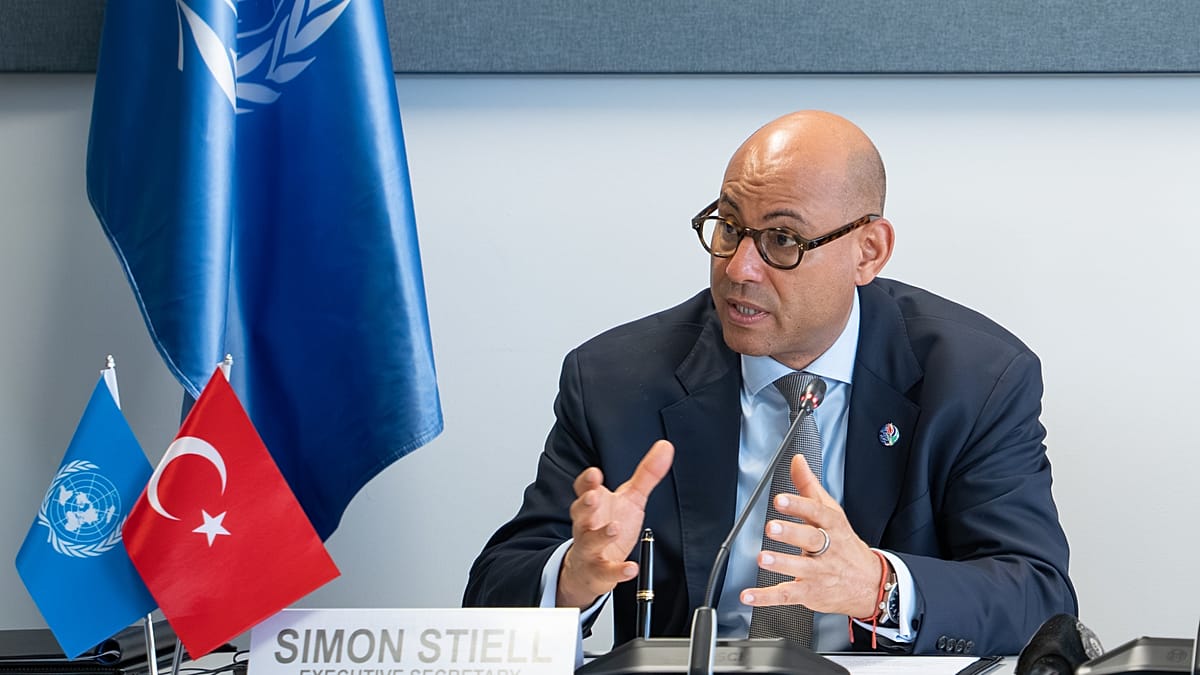
UN Climate Change Executive Secretary Simon Stiell acknowledged the challenges: “There remain significant divides, and significant work for the intersessional period ahead… But we have seen a seriousness in tackling key issues, and a determination to find solutions.”
Electrification as a Bridge Beyond Fossil Fuels
One of the more notable ideas to emerge from the sidelines of the formal negotiations was a proposal by Türkiye, which will co-host COP31 with Australia, for a global electrification target. The aim is to increase the share of final energy demand met by electricity from just over 20% today to 35% by 2035. This target is intended to complement national fossil fuel transition roadmaps, especially after last year’s COP30 in Brazil faced criticism for failing to produce a clear phaseout plan.
Climate Action Network (CAN) Europe cautiously welcomed the idea but stressed it must be built on renewable energy and efficiency gains, “not on prolonging fossil fuel use through new infrastructure or false solutions,” said Özlem Katısöz, the network’s Türkiye policy coordinator. Stiell confirmed that the COP31 Presidency had announced new targets for electrification, city resilience, efficiency, and waste under its wider Action Agenda, which he described as running in parallel with formal negotiations.
The backdrop of the Iran war-linked energy crisis has sharpened the focus on the economic and national security risks of fossil fuel dependence. As energy security becomes the new benchmark for Europe's transition, the electrification proposal could offer a pragmatic pathway for reducing reliance on volatile fossil fuel markets.
Just Transition Moves from Principle to Practice
Significant progress was made on operationalising the Just Transition, a framework ensuring that the shift away from fossil fuels distributes benefits fairly and does not disproportionately burden workers, communities, and countries least equipped to adapt. Negotiators advanced the Belém Antalya Mechanism (BAM), designed to help countries embed just transition principles into national climate plans—covering worker retraining, economic diversification, and climate finance delivery.
“Bonn showed that Just Transition is not a side issue, it is central to whether climate action can be delivered at the speed and scale required, without anyone being left behind,” said James Trinder, international climate policy coordinator at CAN Europe. He called on the EU to help secure a strong Just Transition mechanism at COP31, describing it not as a new climate fund, but as a way of ensuring existing finance reaches the right places.
Adaptation Finance Stalls Amid US Absence
Talks on an agreement made at COP30 to triple international climate adaptation finance stalled in Bonn, raising the risk of unresolved political fights spilling into COP31. CAN Europe noted that the absence of the US from negotiating rooms appears to have emboldened other wealthy nations to scale back their own financial commitments.
“Climate finance is not an optional gesture of goodwill – it is the very foundation for global climate cooperation,” said Sven Harmeling, head of climate at CAN Europe. “Cuts to climate and development finance, as we see them happening in some EU Member States, send exactly the wrong signal.”
Stiell pushed back against any backsliding, telling delegates that “all Parties must be comfortable and confident in restating our existing global commitments – without cherry-picking those that suit tactically in the moment,” pointing specifically to pledges on loss and damage, climate finance, and tripling adaptation finance.
The Bonn conference underscored that while the path to COP31 remains fraught, the building blocks for more ambitious climate action—electrification targets, Just Transition mechanisms, and renewed finance commitments—are being laid, even as geopolitical tensions and budget cuts threaten to undermine progress.