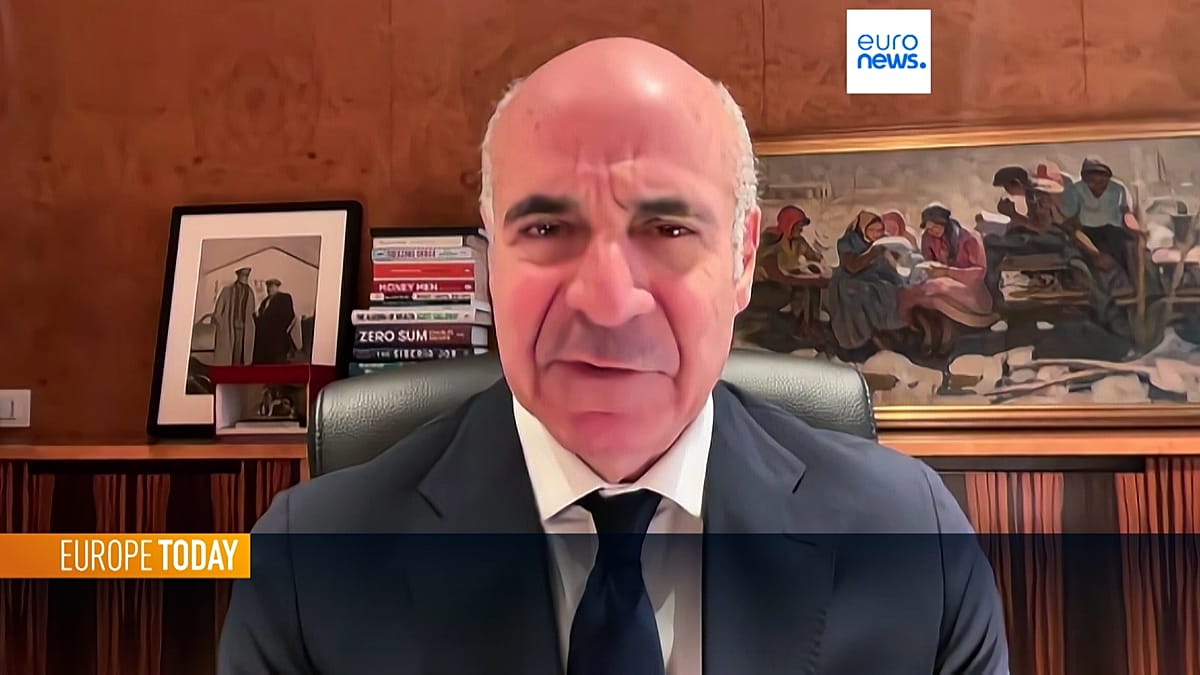
Kremlin critic Bill Browder has warned that a weakened Vladimir Putin is deliberately prolonging the war in Ukraine, betting that a far-right victory in France's next presidential election will fracture European support for Kyiv. Speaking to Europe Today as the Coalition of the Willing gathered in Berlin to discuss security guarantees for Ukraine, Browder said Putin was counting on political shifts in Europe to achieve what he had failed to win on the battlefield.
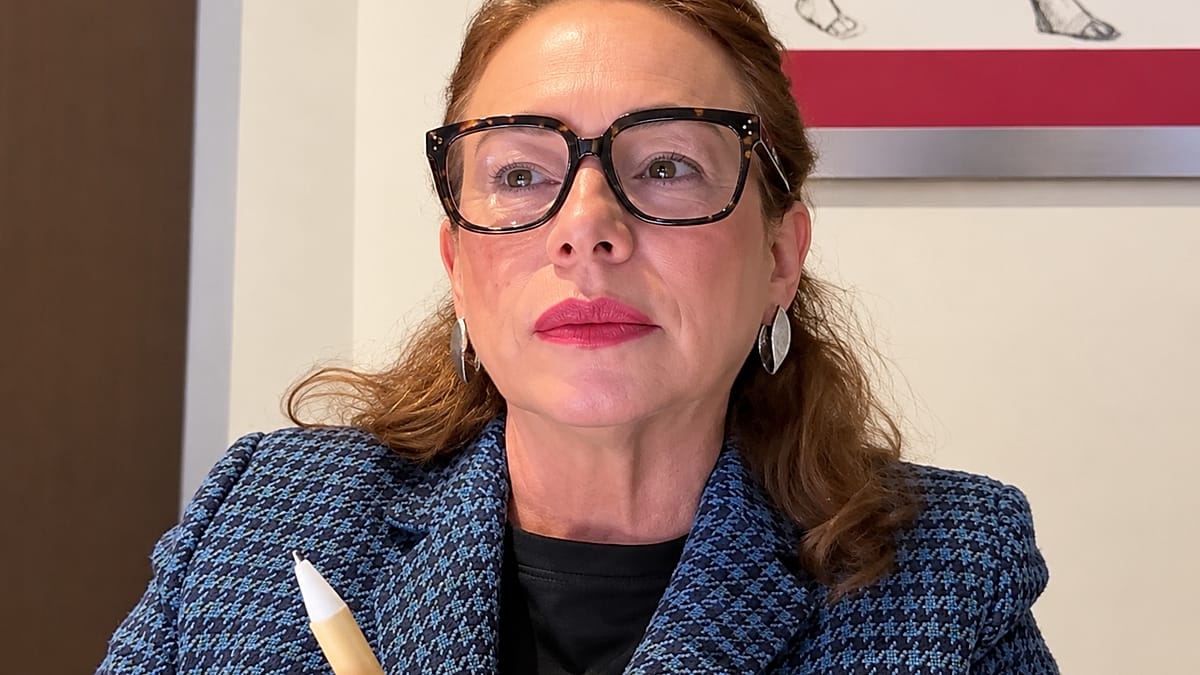
Marine Le Pen, leader of the National Rally, has long opposed French military aid to Ukraine. Browder argued that if she were to win the Élysée, she could not only halt French assistance but also push to end European-wide support. "If she were to win and follow through on her promise to end French aid for Ukraine, she might also intervene to try to end European aid for Ukraine. If that were to happen, then he buys himself the biggest victory he could ever have," he said.
Browder, who has spent over two decades campaigning against the Kremlin, stressed that Putin is in a far weaker position than when he first exposed corruption within the Russian regime. "He's in a very weak position today," Browder said, pointing to Russia's heavy military losses and the economic damage inflicted by sanctions since the full-scale invasion began in February 2022.
Putin's need for conflict
Despite the setbacks, Browder argued that Putin has little incentive to end the fighting. "He has no interest in peace for one simple reason: he needs the war in order to distract the people of Russia from his own failings," he said. The conflict, he explained, serves as a tool to divert public attention from domestic problems, including a struggling economy and growing isolation.
Browder also expressed scepticism about the diplomatic manoeuvring around the peace process. He suggested that Putin's priority is to stretch negotiations until the political landscape in Europe shifts in Moscow's favour, rather than make the concessions necessary for a genuine ceasefire. This comes as European leaders, including those from the EU's proposed €45bn loan for Ukraine, seek to bolster Kyiv's position.
The timing is critical. With the United States engaged in trilateral talks in Shenzhen involving President Trump and China's Xi Jinping, European allies are watching closely for any signs that Washington might soften its support for Ukraine. Browder's comments highlight the fragility of the pro-Ukraine coalition, which depends on continued unity among the 27 EU member states and other partners like the UK and Norway.
Le Pen's potential rise is not the only concern. Populist and far-right parties across Europe, from the Alternative for Germany to the Brothers of Italy, have questioned the scale of military aid to Ukraine. A Le Pen victory in Paris could embolden these forces, creating a domino effect that would severely undermine the Western response to Russian aggression.
Browder, who was instrumental in passing the Magnitsky Act, which allows sanctions against human rights abusers, urged European leaders to remain steadfast. He argued that any wavering would only encourage Putin to prolong the war. "The only thing that will change his calculus is a clear, united front," he said.
As the Coalition of the Willing meets in Berlin, the stakes could not be higher. The decisions made in the coming months will determine whether Ukraine receives the long-term security guarantees it needs, or whether Putin's gamble on European division pays off.