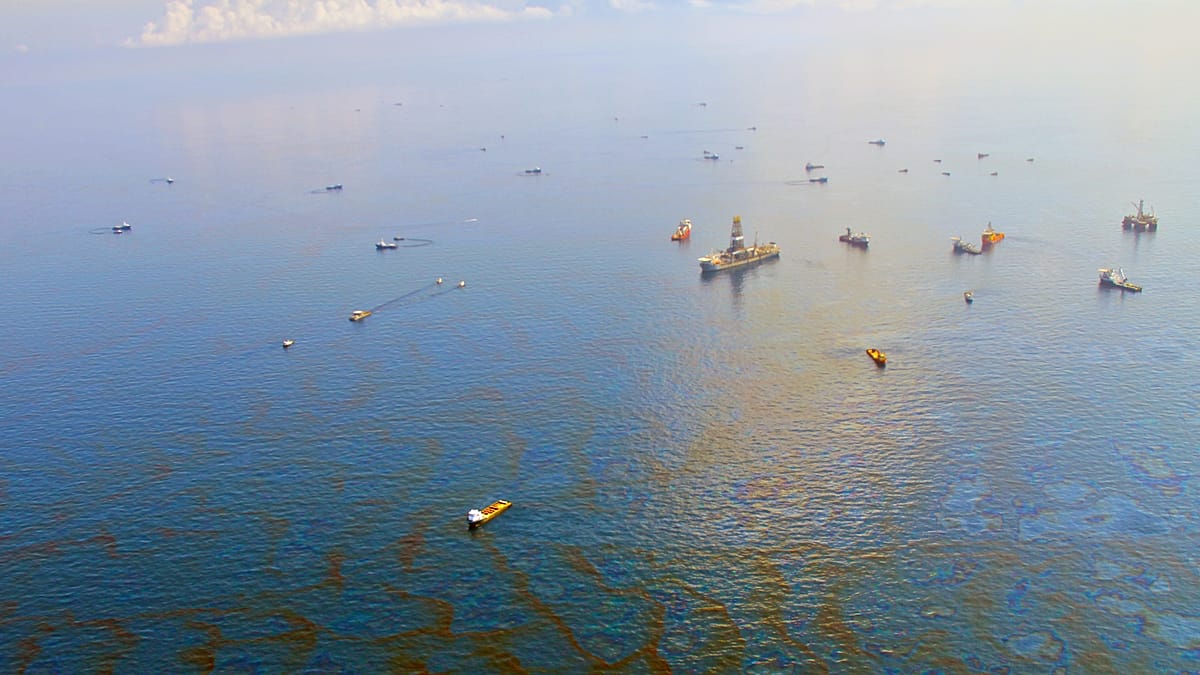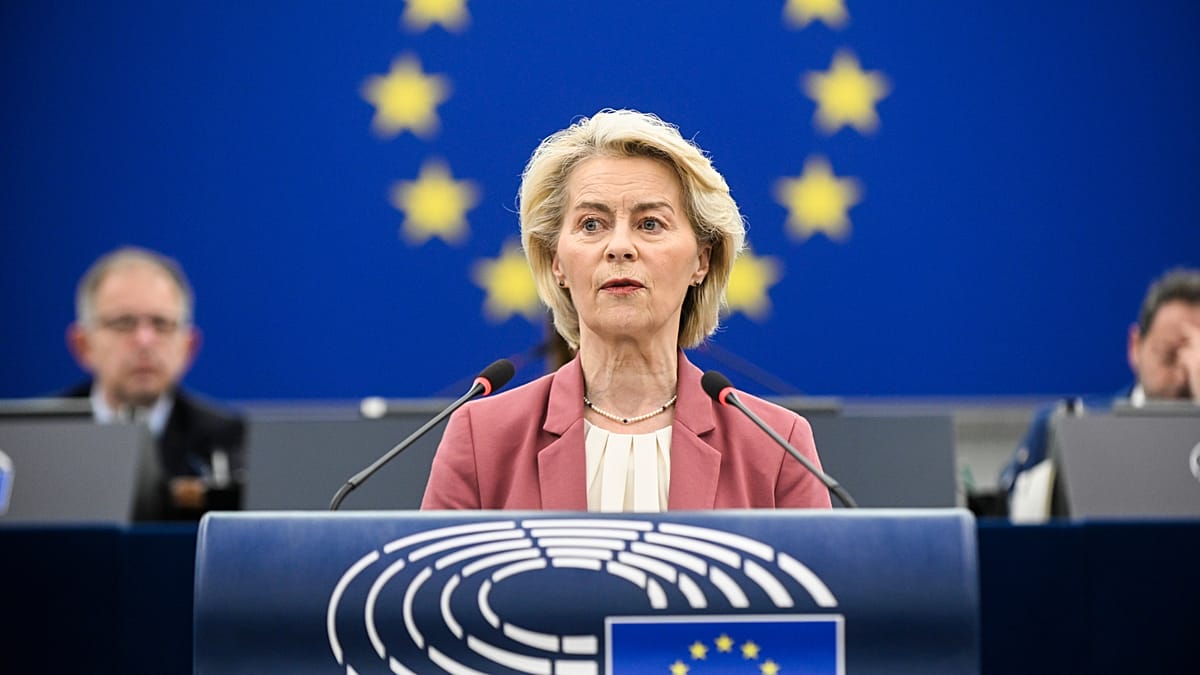
The European Commission is facing mounting criticism over plans to fast-track permits for industrial and energy projects, a move that campaigners say could weaken environmental protections across the continent. A report published Tuesday by the watchdog Corporate Europe Observatory (CEO) argues that Brussels is using the energy crisis as a pretext to deregulate, benefiting fossil fuel companies, mining firms, hydrogen developers, and big tech.
The findings come just a day after the EU executive announced a nearly €4 billion increase in free pollution allowances for energy-intensive industries under the bloc's carbon market, intensifying debate over how to balance rapid industrial expansion with climate goals and democratic oversight.
Loopholes for Polluting Infrastructure
According to the CEO report, proposed EU legislation would allow projects deemed “strategic” or of “overriding public interest” to bypass standard environmental impact assessments and public scrutiny. This could include infrastructure linked to fossil gas, such as carbon dioxide transport pipelines, which the report argues risk prolonging fossil fuel dependence.
“The current energy crisis is finally pushing Europe away from its reliance on fossil fuels,” said Pascoe Sabido, a researcher and campaigner at CEO. “But successful industry lobbying means measures intended to fast track renewables are now being used to build polluting infrastructure.”
The report highlights specific risks: in Sweden, mining developments for critical raw materials threaten Indigenous Sámi communities and local water systems. In Ireland, growing electricity demand from data centres is increasing pressure on the national grid and contributing to new fossil fuel power generation, while also raising blackout risks.
CEO also points to safety concerns, noting that pipeline leaks—as seen in Yazoo County, United States—can cause asphyxiation and mass hospitalisations. Given Europe's higher population density, a ruptured pipeline could prove fatal.
Industry Influence on Policy
The analysis alleges that industry demands have been incorporated into several upcoming EU legislative proposals, including the Environmental Omnibus (which revises water rules), the Grids Package, and the Industrial Accelerator Act. These measures could reduce environmental impact assessments, expand automatic permit approvals, and restrict access to legal appeals.
MEP Niels Fuglsang (S&D/Denmark), who is steering the European Parliament's legislative proposal on permit-granting, has backed the broader use of “overriding public interest” for renewable energy projects and “tacit approval” to avoid delays. He also supports an exemption from EU water rules for grid projects, calling current requirements “highly time-consuming with minimal environmental impact.”
“I believe we have an obligation to ensure accelerated permit-granting procedures and a faster roll-out of renewables and grids to gain European independence, increased competitiveness, and to fast-forward the green transition,” Fuglsang wrote on LinkedIn.
The Commission has defended its simplification agenda—often described as deregulation in Brussels—as necessary to speed up Europe's energy transition, strengthen industrial competitiveness, and cut dependence on imported fossil fuels. However, critics argue that the fast-track approach risks locking in polluting infrastructure for decades.
The debate echoes broader tensions in EU policymaking, as seen in recent Socialist efforts to block fast-tracked EU-US trade talks and concerns over deindustrialisation in Germany. Meanwhile, the EU's push for strategic autonomy in critical raw materials and energy has led to a battery storage race where Germany leads but Turkey dominates future plans.
As the legislative process unfolds, the balance between rapid industrial expansion and environmental safeguards remains a central challenge for the European Union.