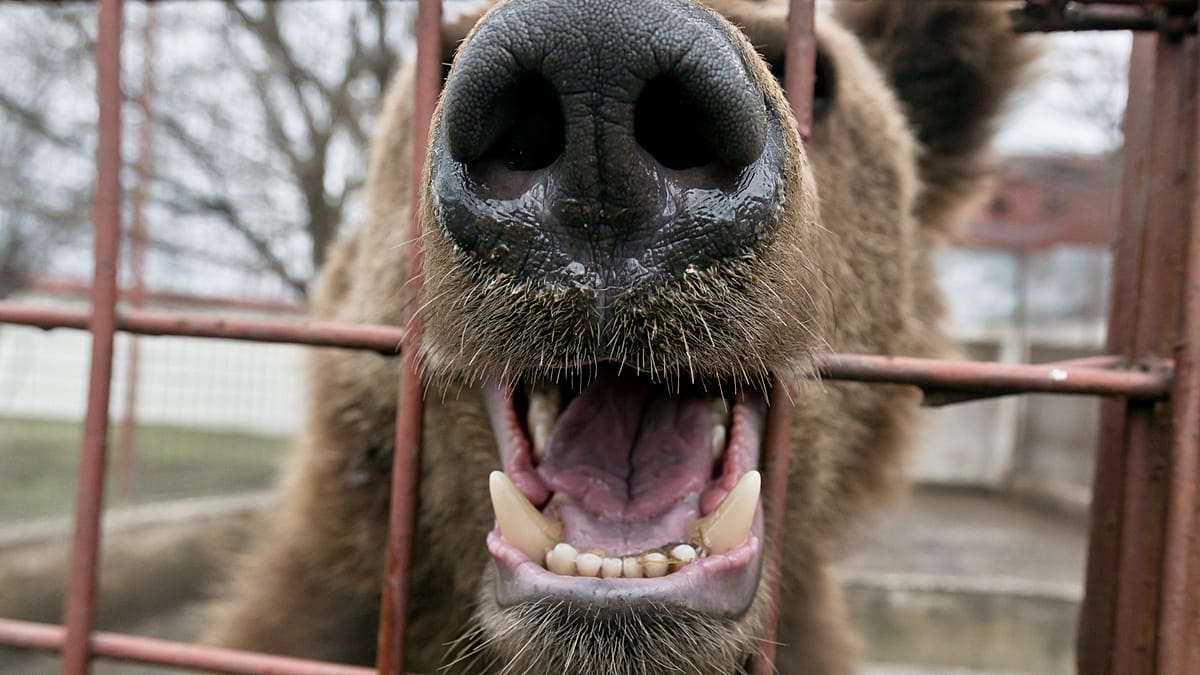
Several brown bears, long confined in appalling conditions as private status symbols in Armenia, are now recuperating at a dedicated wildlife refuge. The rescue, carried out by local animal welfare groups with support from international partners, highlights a persistent problem in parts of the South Caucasus where exotic animals are kept in inadequate enclosures for prestige.
The bears, some of which had spent years in small, barren cages without proper food or veterinary care, were transferred to the refuge near Yerevan. Veterinarians report that the animals are severely malnourished, suffering from dental issues, and showing signs of psychological distress from prolonged isolation. One bear, a female named Ani, was found with matted fur and infected wounds from a poorly constructed cage.
From Private Menageries to Rehabilitation
In Armenia, as in several other post-Soviet states, keeping large carnivores like brown bears has been a marker of wealth and power. Owners often acquire cubs from poachers or the illegal wildlife trade, then house them in cramped backyard cages or roadside attractions. The rescued bears were held by individuals in the regions of Kotayk and Lori, where local authorities intervened after complaints from neighbours and activists.
“These animals were treated as trophies, not living beings,” said Marine Arakelyan, a veterinarian at the refuge. “They had no enrichment, no proper diet, and no access to water for bathing. It is a slow recovery, but they are finally showing signs of trust.” The refuge, run by the Foundation for the Preservation of Wildlife and Cultural Assets (FPWC), has been working to expand its capacity to handle such cases, which have increased as Armenia strengthens its animal protection laws.
The rescue operation comes amid broader shifts in Armenia’s international posture. The country has been deepening ties with the European Union, a process that includes aligning with EU standards on environmental and animal welfare issues. In recent months, Yerevan has hosted high-level EU summits, including the Eighth European Political Community Summit, where leaders discussed rule-of-law reforms and sustainable development.
Regional Context and Challenges
Brown bears are native to the Caucasus region, but their populations have declined due to habitat loss and poaching. Captive bears, often taken from the wild as cubs, face a grim fate if not rescued. The FPWC estimates that dozens of bears remain in private hands across Armenia, many in conditions similar to those of the newly rescued animals.
“The problem is not unique to Armenia,” noted David Oganesyan, a wildlife expert based in Tbilisi. “In Georgia and Azerbaijan, we see similar practices. But the political will to address it varies. Armenia’s recent moves toward European integration could provide a framework for stronger enforcement.” The country’s pivot toward the EU, including hosting Ukrainian President Volodymyr Zelenskyy and EU leaders, signals a broader shift in governance priorities.
For now, the rescued bears are being fed a balanced diet of fruits, vegetables, and meat, and given access to pools and climbing structures. The refuge plans to release them into a large, forested enclosure once they are healthy enough, though full rehabilitation may take months. The FPWC is also working with local schools to educate children about wildlife conservation, aiming to reduce demand for exotic pets in the long term.
The story of these bears is a reminder that Europe’s environmental challenges extend beyond its western capitals. As Armenia navigates its path between Moscow and Brussels, the treatment of its wildlife offers a tangible measure of its commitment to European norms.