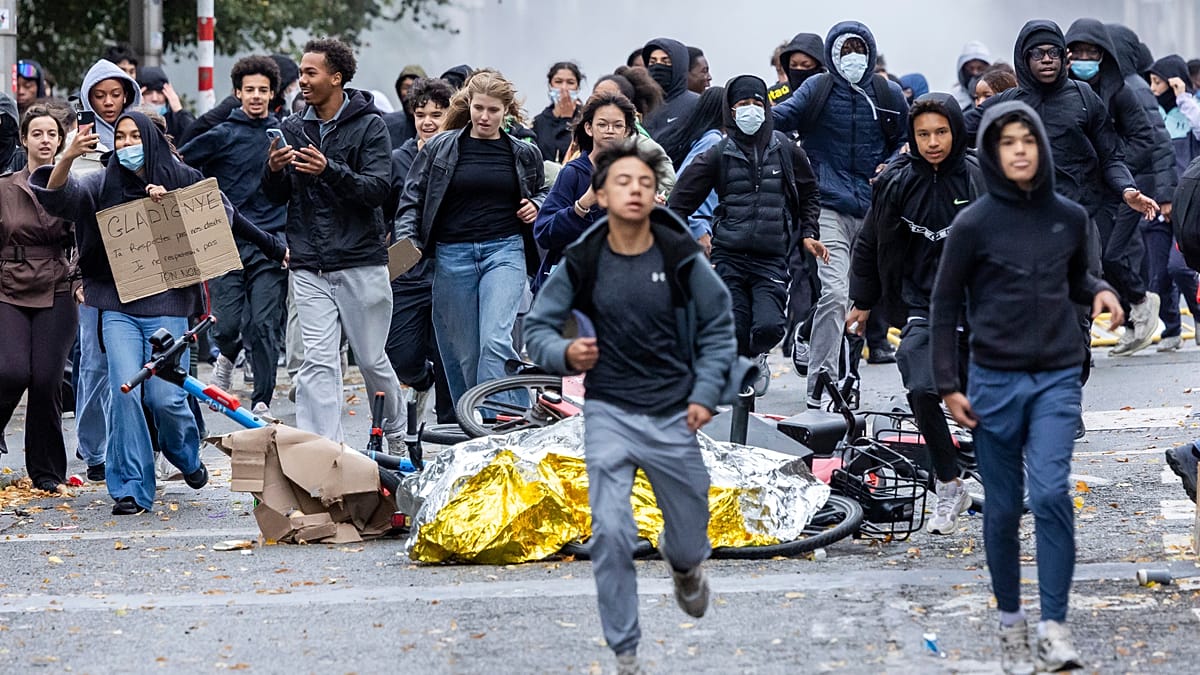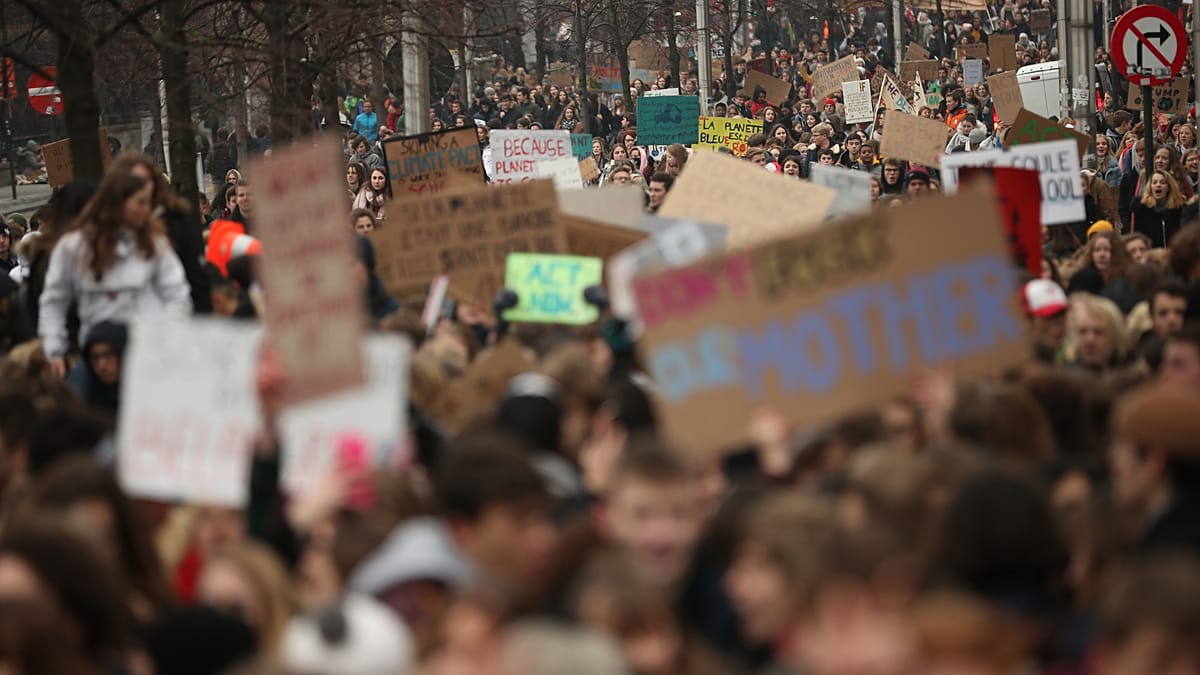
Several thousand demonstrators, predominantly students, filled the streets of Brussels on [day] to voice their opposition to education budget cuts and rising university tuition fees. The protest, organized by student unions and supported by teachers' associations, highlighted growing concerns over the state of schooling in Belgium, particularly in the French-speaking Wallonia-Brussels Federation.
Chanting for change
Carrying banners reading "Education is a right, not a privilege" and "Invest in our future," the marchers wound their way from the Gare du Nord to the European Quarter, where they delivered a memorandum to the offices of the regional government. Many participants wore red, the color of the education protest movement, and chanted slogans calling for increased public funding and a halt to austerity measures.
"We are here because our classrooms are overcrowded, our teachers are underpaid, and our libraries are understocked," said Marie Lambert, a 19-year-old sociology student at the Université libre de Bruxelles. "The government is cutting corners on our education, and that will have consequences for the whole country."
The protest comes amid a broader debate in Belgium about the future of its education system. The French-speaking community has faced repeated budget shortfalls, leading to cuts in teaching staff, school maintenance, and support for students with special needs. At the same time, universities have announced plans to raise tuition fees for non-EU students, a move that critics say will make higher education less accessible.
Broader European context
The Brussels demonstration is part of a wider wave of student activism across Europe. In recent months, students in Serbia, Croatia, and France have also taken to the streets to protest education funding and political interference. The Slovak protests against Prime Minister Robert Fico have drawn parallels with the education movement, as both reflect a generational discontent with the status quo.
Economist Joseph Stiglitz recently backed Europe's youth protests as a legitimate response to inequality, arguing that underinvestment in education perpetuates social divisions. His comments have resonated with student leaders in Brussels, who see their struggle as part of a larger fight for equal opportunity.
The protest also comes at a time when European Union leaders are debating the bloc's next long-term budget. Education advocates have called on the EU to increase funding for student mobility and research, warning that Europe risks falling behind the US and China in innovation. Europe's AI leaders have made similar appeals, urging Brussels to close the investment gap with its global competitors.
Government response
Belgian Education Minister Caroline Désir acknowledged the protesters' concerns but defended the government's record, saying that education spending has actually increased in real terms over the past five years. She pointed to new investments in digital infrastructure and teacher training, but admitted that "more needs to be done" to address the challenges facing schools.
Student unions, however, remain skeptical. "The minister's numbers don't match what we see in the classroom," said Lucas De Smet, a spokesperson for the Flemish Student Union. "We are not asking for luxury; we are asking for basic resources that every student deserves."
The demonstration ended peacefully, with organizers vowing to continue their campaign if the government does not respond to their demands. They have called for a national day of action in the coming weeks, and are planning to lobby members of the Belgian parliament and the European Parliament.
As the sun set over Brussels, the crowd dispersed, but the message was clear: Belgium's students are not willing to accept a future of underfunded schools and unaffordable universities. Whether the government listens remains to be seen, but the movement shows no signs of fading.