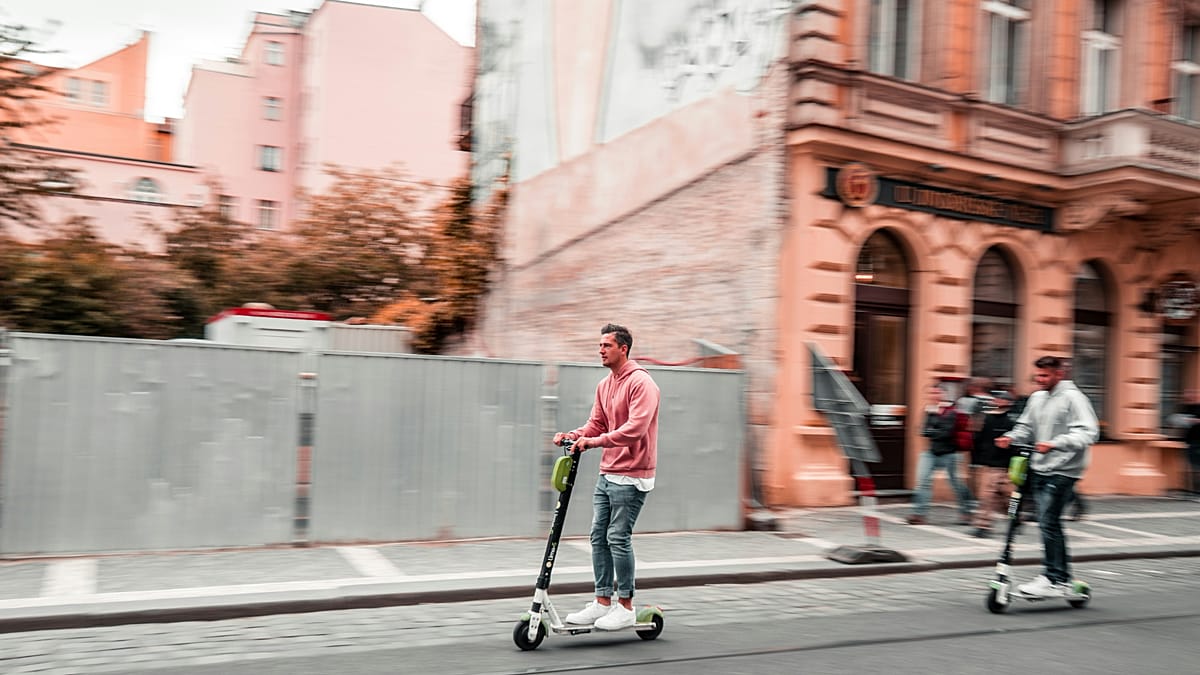
The Belgian capital is the latest European city to phase out shared e-scooters, announcing that rental services from operators Bolt and Dott will cease by January 2027. The Brussels-Capital Region government cited a sharp increase in accidents, persistent pavement obstruction, and growing evidence that the vehicles are being exploited by criminal networks.
According to regional data reported by The Brussels Times, 666 people were injured in e-scooter accidents in 2025 alone — a 26% rise from the previous year. Medical experts note that the upright riding position and small wheels of e-scooters often lead to more severe head and facial injuries compared to bicycle crashes. The city also highlighted that improperly parked scooters frequently block sidewalks, creating hazards for elderly residents and people with reduced mobility.
Crime and Public Safety
Perhaps the most alarming factor in the ban is the documented use of rental e-scooters by organized crime groups. The Brussels government revealed that the vehicles were involved in 25 shootings in 2025, with drug traffickers using them for quick getaways and deliveries. This echoes concerns in other European cities, such as Paris and Copenhagen, where similar links have prompted stricter oversight.
Brussels is not alone in its crackdown. Paris banned shared e-scooters in 2023 after a public referendum, while cities like Madrid, Barcelona, and Oslo have imposed speed limits, geofencing, and parking restrictions. The trend reflects a broader reassessment of micromobility across Europe, where the initial enthusiasm for dockless scooters has given way to concerns about public order and urban space management.
The decision also comes amid broader debates about urban mobility and safety in the Belgian capital. In recent months, mass protests over alleged police brutality have highlighted tensions around public space and enforcement. Meanwhile, the city is pushing forward with other infrastructure projects, including a proposal to cut electricity taxes and overhaul the grid to lower household bills.
What Remains
Unlike the total ban in Paris, Brussels will retain shared bicycles and e-bikes, which the regional government plans to expand. The existing bike-sharing network, operated by companies such as Villo!, will be strengthened to offer more stations and electric options. This aligns with the city's long-term climate goals and its ambition to reduce car dependency.
The phase-out of e-scooters is set to begin with the expiration of Bolt and Dott's licenses at the end of 2026. From January 2027, only privately owned e-scooters will be allowed on Brussels streets, though they will remain subject to traffic rules and parking regulations. The city has not yet announced whether it will introduce a registration system for private scooters.
For now, Brussels joins a growing list of European capitals — including Paris, Oslo, and Stockholm — that have either banned or severely restricted shared e-scooters. The move underscores a continent-wide recalibration of how cities balance innovation with safety, and convenience with public order.