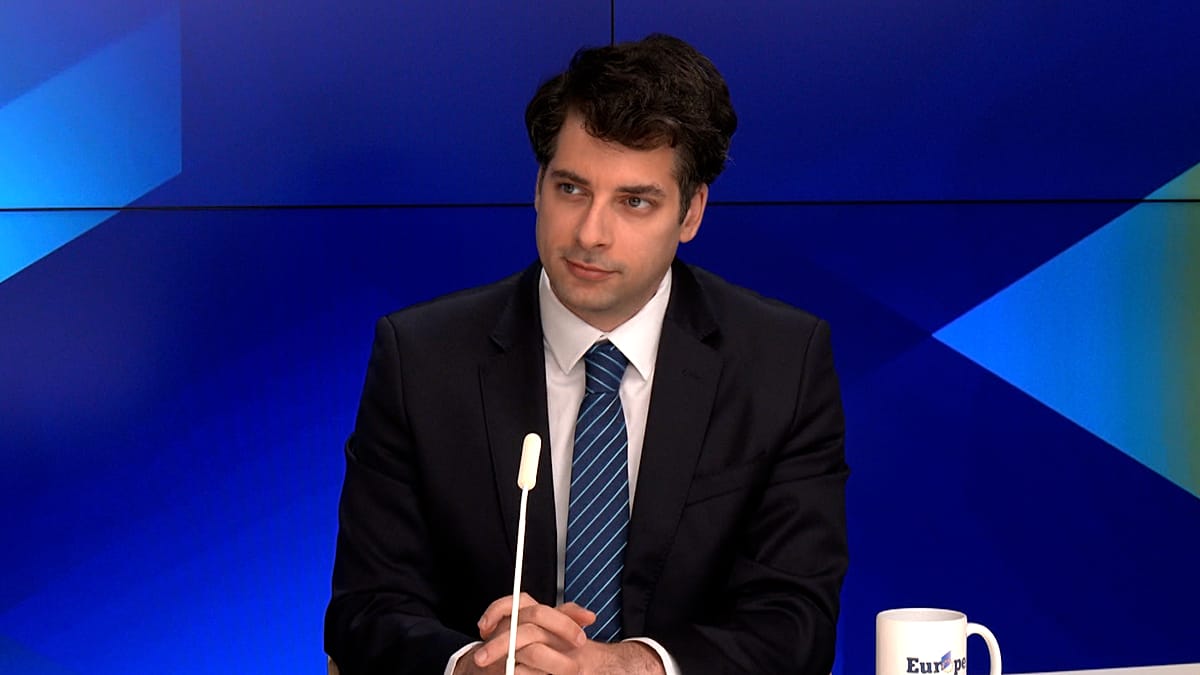
Bulgaria has made clear its stance on the European Union's next long-term budget: cohesion funding must not face additional reductions. Deputy Prime Minister Atanas Pekanov, speaking in Sofia, stressed that the bloc's cohesion policy—which channels resources to less-developed regions—remains essential for balanced growth across the continent.
Pekanov, who also serves as Bulgaria's minister for EU funds, acknowledged that the upcoming budget negotiations "will take months" but expressed optimism that a deal could be reached by the end of the year. "It is better to reach a solution fast," he said, underscoring the urgency of providing clarity for member states and regions that depend on these funds.
The comments come as the EU prepares to shape its Multiannual Financial Framework (MFF) for the post-2027 period. Cohesion policy, which accounts for roughly a third of the EU budget, has long been a cornerstone of European solidarity, but it faces pressure from competing priorities such as defence, climate action, and digital transformation. EU Defence Chief Warns Budget Cuts Undermine Security Ambitions highlights the tension between security spending and traditional cohesion goals.
Cohesion Under Pressure
Bulgaria, one of the largest beneficiaries of cohesion funds relative to its economy, has a direct stake in preserving the policy. The country has used EU money to modernise infrastructure, support small businesses, and improve public services. Any significant cut would hit its development plans hard.
Pekanov's remarks align with a broader coalition of central and eastern European member states that view cohesion as non-negotiable. Poland, Hungary, Romania, and the Baltic states have also voiced strong support for maintaining the policy's budget share. However, net contributors like Germany, the Netherlands, and Sweden have called for a more targeted approach, arguing that the EU must focus on new challenges such as competitiveness and security.
The debate is set to intensify as the European Commission prepares its formal proposal for the next MFF. EU Institutions Push for Ambitious Budget with New Own Resources as Member States Remain Divided details the ongoing struggle to find common ground on revenue sources and spending priorities.
Timing and Tactics
Pekanov's call for a swift agreement reflects a pragmatic calculation. Delays in finalising the budget could disrupt national planning cycles and create uncertainty for regional authorities that rely on multi-year funding commitments. Bulgaria, which has experienced political instability in recent years—UK Leader Turnover Rivals Austria as Bulgaria Tops Europe's Instability Chart—needs predictable EU funding to anchor its long-term investments.
The deputy prime minister also hinted at flexibility, noting that Sofia is open to discussing new own resources for the EU budget, such as a carbon border adjustment mechanism or digital taxes, as long as they do not come at the expense of cohesion. This position mirrors that of several member states that want to expand the EU's fiscal capacity without slashing traditional spending lines.
Negotiations are expected to dominate the agenda when Ireland assumes the rotating Council presidency in the second half of 2026. EU Budget Battle Takes Center Stage at Annual Conference as Ireland Assumes Council Presidency previews the political dynamics that will shape the talks.
For now, Bulgaria's message is clear: cohesion is not a relic of the past but a vital tool for convergence in a Union of 27 diverse economies. As Pekanov put it, the EU must "retain policies like cohesion" to ensure that no member state is left behind in the green and digital transitions. Whether that vision survives the budget battle remains to be seen.