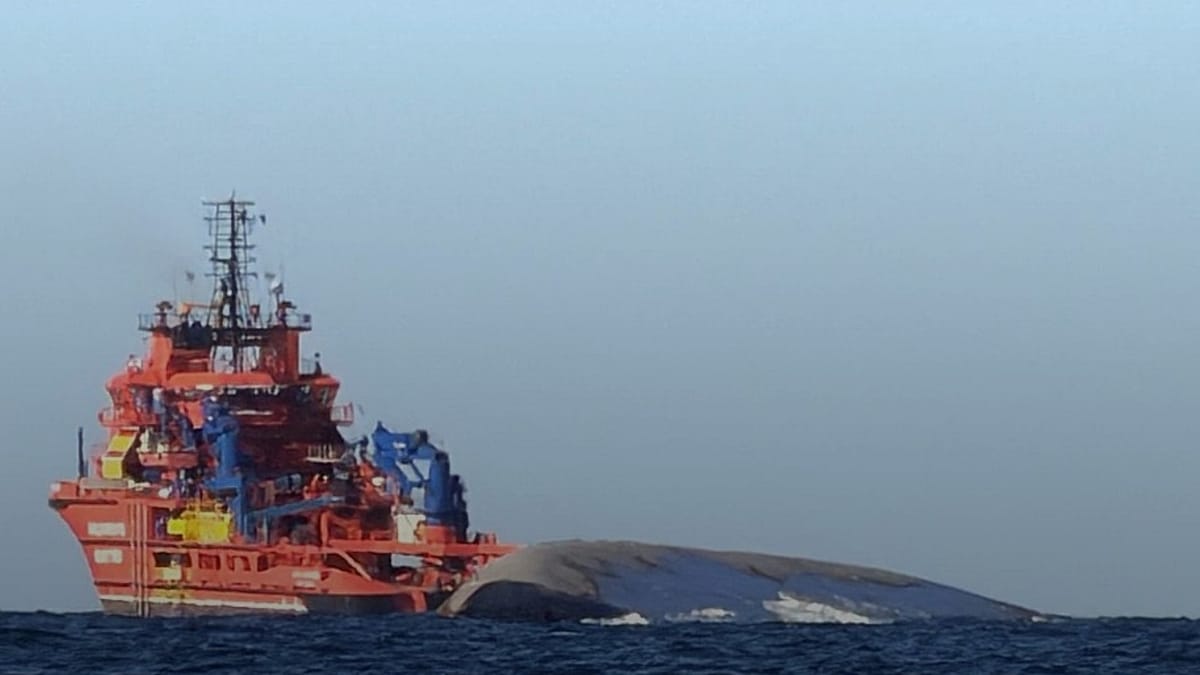
Spain's transport ministry announced on Friday that the capsized chemical tanker Med Emre will be towed to the port of Cartagena, despite strong objections from regional authorities concerned about potential environmental damage. The Maltese-flagged vessel, carrying approximately 7,000 tonnes of diesel, capsized on Wednesday in rough seas between Valencia and the holiday island of Ibiza.
The ministry said the towing operation will begin immediately, taking advantage of favourable weather conditions, after a thorough assessment of the ship's structural integrity and seaworthiness. The tanker is expected to arrive at Cartagena, in the southeastern region of Murcia, as early as Monday 30 November.
Cartagena was chosen because its port meets the depth, size and safety requirements needed to unload the fuel safely. The ministry noted that the port offers a calm environment close to pollution response teams, logistics hubs and petrochemical facilities, which would be crucial if conditions at sea deteriorate.
Regional opposition and environmental fears
However, Fernando López Miras, the president of the Murcia region, has publicly opposed the decision. He demanded that the central government find an alternative location, citing what he called “a potential risk to our coastline and our marine ecosystems”. López Miras pointed out that ten protected areas near Cartagena could be affected, and warned of the danger to the Valle de Escombreras, an industrial zone that he says supplies roughly 40% of Spain's fuel.
Environmental groups have echoed these concerns, highlighting the presence of endangered species in the area and the potential impact on fishing and tourism. The tanker has been stabilised in open water and the fuel has so far been contained, but fears of a major spill remain.
The vessel's owner, Turkish company YMN Tankers, said it is implementing a salvage plan to minimise environmental harm. In a statement on LinkedIn, the company expressed “deep concern about the incident” and pledged to take all necessary measures to protect the marine environment. It said it is coordinating with Spanish authorities and maritime rescue experts.
The ship's chief engineer died in the early hours of Thursday as a result of the accident, according to the owner. Valencia's harbourmaster, Elena Delgado, said waves exceeded four metres during the storm. One possible cause under investigation is that inspection hatches on one side of the vessel were left open, allowing water into the ballast tanks and causing the ship to list and eventually capsize.
The tanker will remain on its side throughout the tow, as it has been since the incident. Unloading the fuel and righting the vessel is expected to take several weeks, the ministry said.
This incident comes amid broader discussions about maritime safety and environmental protection in the Mediterranean. Spain has been grappling with energy and environmental policy challenges, as seen in recent election debates and the ongoing efforts to contain the spill. The decision to tow the tanker to Cartagena will likely intensify scrutiny of how such emergencies are handled.