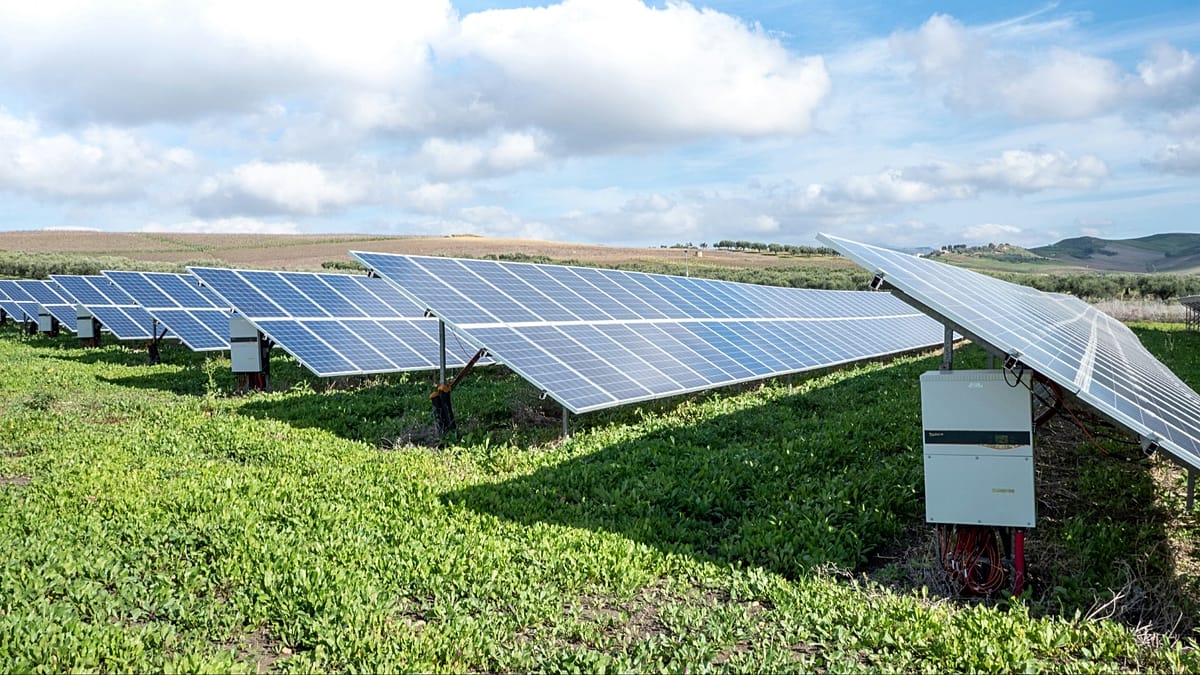
Italy has become one of Europe's solar success stories, with renewables now supplying nearly half of its electricity. But as the sun sets, the country's power grid still leans heavily on expensive gas, leaving households exposed to volatile energy prices. A new analysis suggests that battery storage could be the key to shifting cheap solar power into the evening hours, potentially slashing electricity costs.
The study, conducted by the energy think tank Ember in collaboration with Cleantech for Italy and Energy Square, found that pairing solar and wind with battery storage is becoming central to Italy's power system. Under conservative estimates, renewable power stored and released in the evening could cost around €106 per megawatt-hour, compared to €210 per megawatt-hour for gas at October 2026 prices. That translates into potential savings of up to 49% on electricity generation costs.
Italy's evening demand peak, typically around 8pm when people return home from work and school, coincides with a drop in solar generation. This forces the grid to rely on gas, the most expensive fossil fuel for electricity. Batteries can bridge that gap, storing excess solar energy during the day and discharging it when demand spikes.
Batteries already making a difference
According to Ember, batteries met an average of 2.8% of Italy's peak demand in the first half of 2026, more than double the level from the same period last year. While this remains modest compared to fossil power's 40% share, analysts say the growth could accelerate as contracted projects come online.
Beatrice Petrovich, a principal energy analyst at Ember, highlighted the potential: "Italy has plenty of sun, but it still runs its evenings on expensive gas. Batteries change that, carrying low-cost renewable power into the hours when prices peak. Italy is already one of the most advanced EU countries for batteries connected to the power grid."
Other European nations are moving even faster. Bulgaria, for instance, expanded its grid-scale battery fleet from almost nothing in 2024 to nearly 3 GWh by the end of 2025, and to 16 GWh by August 2026—overtaking Italy despite having a much smaller power system. In the first half of 2026, batteries supplied over a quarter of Bulgaria's evening peak demand, up from 4% a year earlier, while fossil power's share fell from 35% to 31%.
During the summer 2026 heatwave, Bulgaria experienced less extreme price spikes than its neighbours, with strong battery discharge being a key factor. This demonstrates the tangible benefits of storage in stabilising grids and protecting consumers.
Italy's challenge, however, is not just about installing more batteries. Michele Torsello, director of Energy Square, stressed the need for a holistic approach: "Storage, grids and new generation need to develop together." The country must ensure that its grid infrastructure can accommodate both renewable expansion and storage capacity, avoiding curtailment—when clean energy is wasted due to oversupply.
The merit order principle means that the most expensive source of electricity sets the price for all. As long as gas plants are needed to meet evening demand, they will keep prices high. Batteries can break this cycle by displacing gas during peak hours, as seen in Bulgaria.
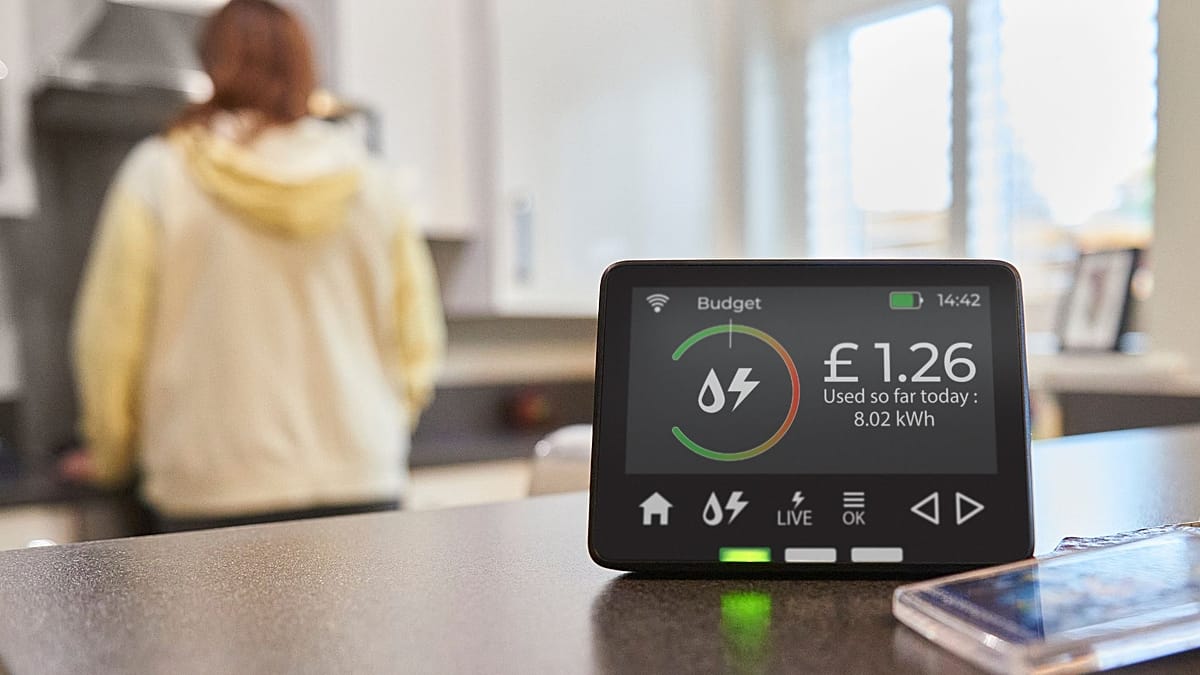
For Italian households, already squeezed by living costs, the potential savings are significant. The nationwide strike over living costs earlier this year underscored the pressure on families. Cheaper electricity could ease that burden, making battery storage an economic as well as environmental priority.
Italy's solar boom is impressive, but its full potential will only be realised when the sun goes down. With the right investments in storage and grid upgrades, the country can turn its abundant sunshine into a reliable, affordable power source for all hours of the day.