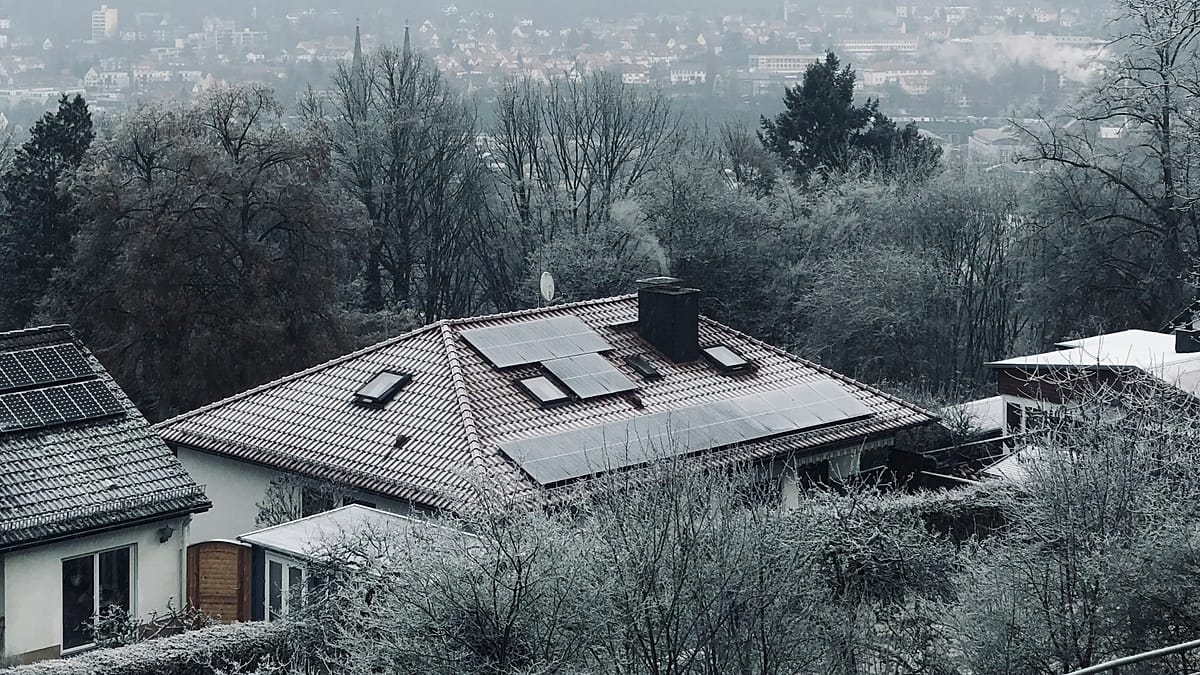
Winter in Europe brings short days, grey skies, and biting cold – hardly the season associated with solar power. Yet for many households across the continent, this is precisely the moment to start planning a rooftop photovoltaic system. Industry experts are advising homeowners to contact suppliers before the holiday season, not because of the weak winter sun, but because of a combination of regulatory deadlines, administrative bottlenecks, and practical logistics that could otherwise delay installations well into the warmer months.
Permits and grid connections: the hidden delays
While the physical installation of solar panels typically takes just a day or two, the surrounding paperwork can stretch over weeks or even months. An OECD report, drawing on earlier research, found that permit times for rooftop solar projects ranged from six weeks in Malta to as many as ten months in Bulgaria. Although Bulgaria has since simplified the process – scrapping permits for systems up to 20 kilowatts for personal use – delays remain common across the EU.
In Germany, a consumer watchdog warned last year that homeowners in Saxony were waiting months for grid connection, with extreme cases exceeding a year. In the UK, Edward Gurney, founding director of the Solar and Battery Company, notes that even under normal circumstances, approval from electricity providers can take four to five weeks. He adds that much of the equipment is manufactured in China, and replacement stock can take around six weeks to arrive.
Winter weather adds another layer of unpredictability. Icy roofs make working conditions unsafe, and a few lost days can cascade through a busy installation schedule, pushing back subsequent projects. As Gurney puts it: “When you’ve already got a busy installation schedule, losing even a few days to bad weather can push subsequent installations back.”
Why spring is the real prize
Waiting until the weather warms up could mean missing the prime solar production period. According to the European Environment Agency, solar power generated less than five per cent of the EU’s electricity in January last year, but by May it was supplying more than 20 per cent. In Germany alone, 74 per cent of the solar electricity fed into the grid last year was produced between April and September.
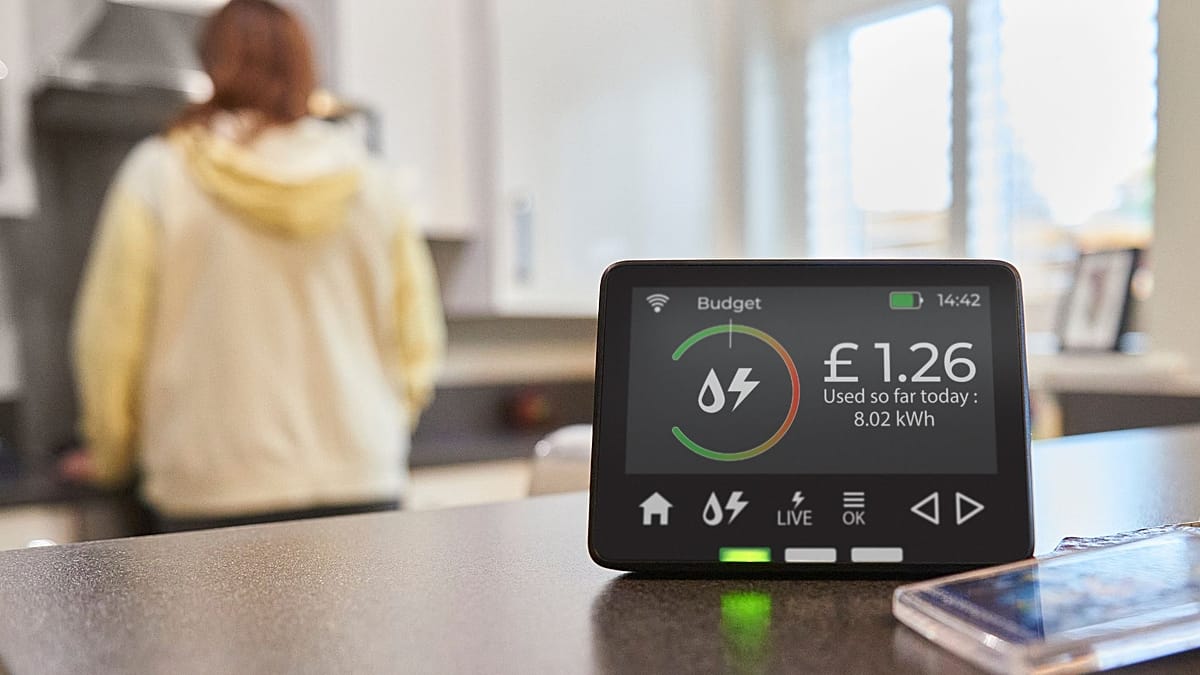
The sooner panels are installed, the sooner households can benefit from this springtime surge. In the meantime, Gurney recommends using the winter months to assess household electricity consumption and compare quotes from different installers. “The number of panels, battery capacity and how much electricity your household uses will all affect the long-term value of the installation,” he explains.
Subsidy changes on the horizon
Several European countries are set to alter solar incentives in 2027, adding urgency to the decision. In England, Scotland and Wales, homeowners have enjoyed a zero VAT rate on solar installations since April 2022, but from 1 April 2027 the rate will revert to five per cent. The looming tax hike appears to be spurring action: the Solar and Battery Company reported a 37 per cent increase in enquiries in early November as UK residents seek to beat the deadline.
In Germany, the German Solar Industry Association warns that those installing panels from January could miss out on government support unless new energy laws are approved before the end of the year. While lawmakers have tentatively agreed to continue paying homeowners for surplus electricity sold to the grid from systems up to 25 kilowatts, a final deal has yet to be struck.
Austria is also reviewing its support mechanisms, and other countries may follow. For households considering solar, the message is clear: acting now can lock in current incentives and avoid the administrative and logistical bottlenecks that often accompany policy changes.
Beyond subsidies, the broader context of Europe’s energy transition remains relevant. As heat pumps promise winter savings but face similar upfront cost barriers, solar panels offer a complementary way for households to reduce bills and carbon footprints. And for those worried about renovation costs, EU funds are already helping vulnerable households, as seen in Lithuania.
Ultimately, the rush to install solar panels before winter is not about capturing the weak winter sun – it is about being ready for the spring. By planning now, European homeowners can ensure their systems are operational in time for the months when solar production peaks, and they can do so while subsidies are still favourable.