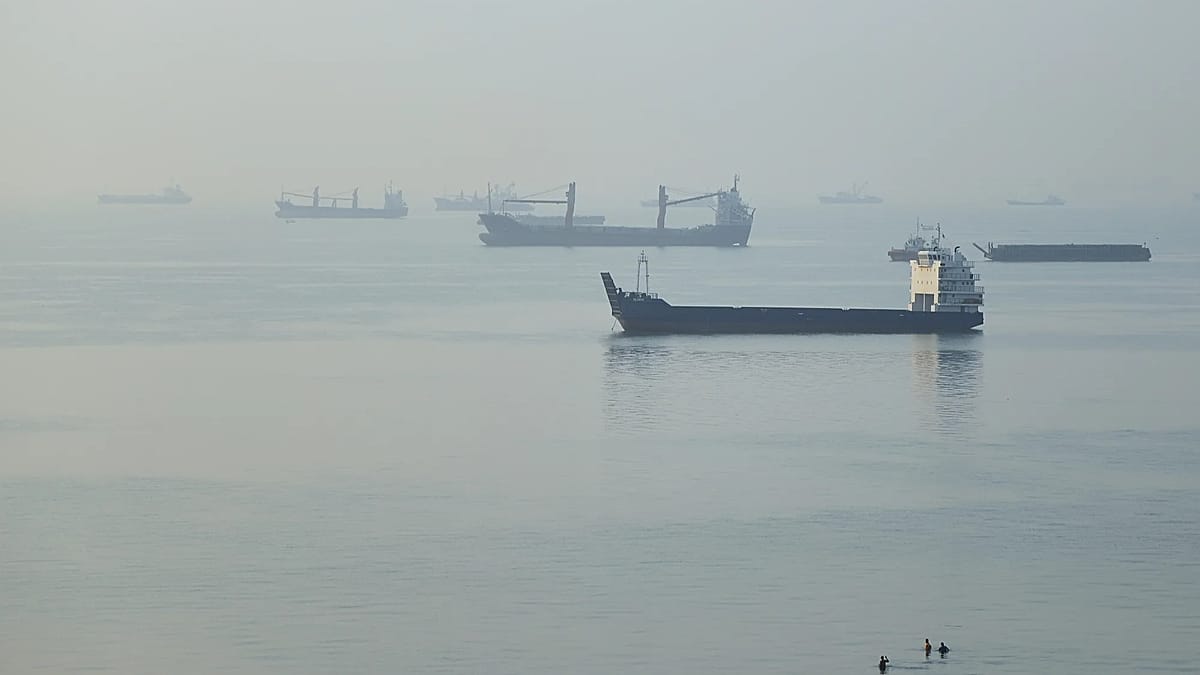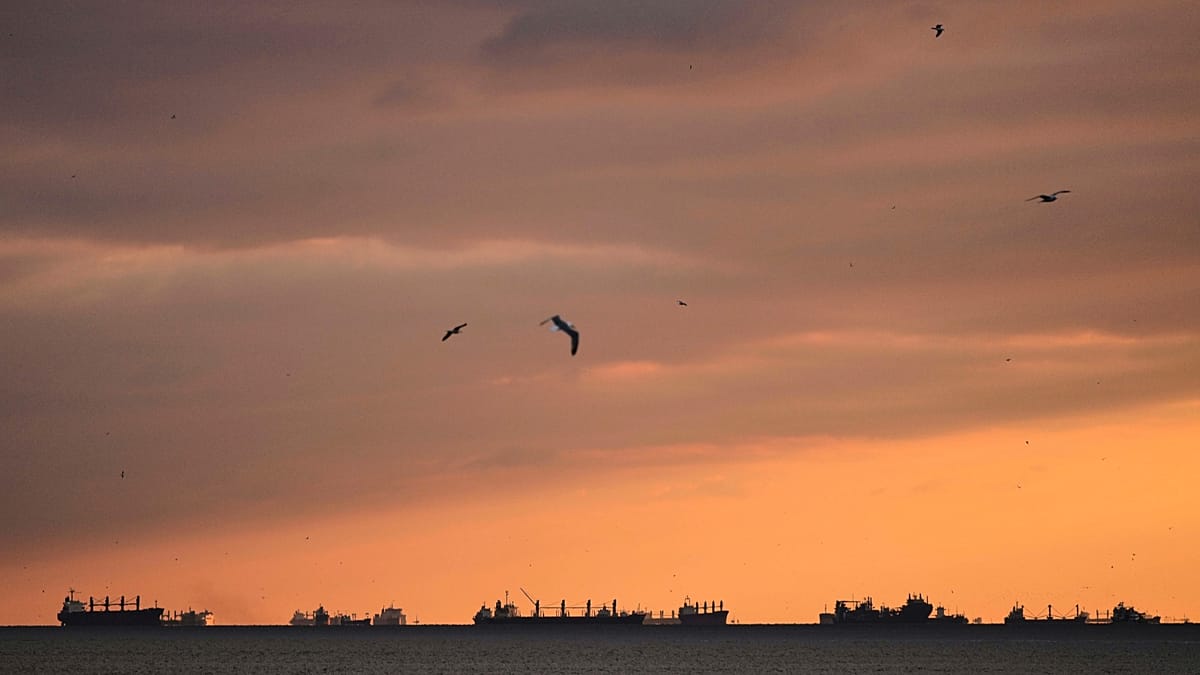
In the early hours of Wednesday, a cargo ship sank in the Marmara Sea off the coast of Istanbul after colliding with another vessel, prompting a large-scale search for the ten crew members who were on board. Turkish maritime authorities confirmed the incident, which occurred about 18 nautical miles (33 kilometres) from the Silivri district on the western edge of Istanbul province.
The vessel that sank, the Tuğberk İmamoğlu, was a dry cargo ship carrying 4,200 tonnes of rolled sheet metal. It collided with the ALSU, an oil tanker that was reportedly empty at the time. The Turkish transport ministry's maritime directorate said on X that the ALSU's captain reported the collision at 3:15 am local time. The Tuğberk İmamoğlu sank shortly after the impact.
Rescuers have been combing the area since dawn. Fourteen search and rescue vessels and a helicopter have been dispatched to the scene. The maritime directorate noted that the Tuğberk İmamoğlu was not responding to calls, and the crew's mobile phones were unreachable, leading officials to believe the ship had gone down.
“Life-saving equipment, including a lifeboat belonging to the Tuğberk İmamoğlu which had 10 crew members on board, has been found at sea. Unfortunately, the crew members were not inside,” the directorate said in a statement. The ALSU, which sustained damage in the collision, has also joined the search efforts.
The incident highlights the persistent risks in one of the world's busiest maritime corridors. The Marmara Sea, which connects the Black Sea to the Aegean via the Bosphorus, sees heavy traffic from cargo ships, tankers, and ferries. The area around Istanbul has been the site of several collisions and groundings over the years, raising questions about navigational safety and traffic management.
Search and rescue efforts continue
Turkish authorities have not yet confirmed the nationalities of the crew members aboard the Tuğberk İmamoğlu. The ship's flag state and ownership details have not been released, but the vessel's name suggests Turkish registration. The search operation is being coordinated by the Turkish Coast Guard, with support from the provincial governor's office.
Initial reports from the maritime directorate indicated that the ALSU was carrying 3,000 tonnes of motor oil, but this was later corrected. The tanker was empty at the time of the collision, a detail confirmed by the governorate. This clarification may help ease concerns about potential environmental damage from an oil spill, though the cargo of rolled steel poses its own risks to the seabed and marine life.
The sinking comes amid broader concerns about maritime safety and security in European waters. Earlier this year, a German-owned cargo ship was struck by Russian drones near Odessa, underscoring the vulnerabilities of commercial shipping in the region. While the Marmara incident appears to be an accident, it adds to the growing list of maritime emergencies that have tested the response capabilities of coastal states.
In a separate development, the EU has recently boosted maritime defence spending to record levels, reflecting heightened awareness of threats to sea lanes and infrastructure. The bloc has also been grappling with disputes over maritime jurisdiction, such as the stalled EU-backed Cyprus power link amid Turkey's claims. These issues highlight the complex geopolitical and economic dimensions of maritime governance in the region.
For now, the focus remains on finding the missing crew. The Turkish authorities have not provided a timeline for the search, but they have pledged to continue until all possibilities are exhausted. Families of the crew are anxiously awaiting news, while the shipping community watches closely, hoping for a positive outcome.
The Marmara Sea is a vital artery for trade between Europe and Asia, and incidents like this serve as a stark reminder of the human cost behind global commerce. As the search enters its second day, the hope is that the crew will be found alive, but the discovery of an empty lifeboat has tempered expectations.