A 5.1-magnitude earthquake rattled Colombia on Wednesday, sending tremors through the central and northeastern parts of the country, including the capital, Bogotá. The quake struck at approximately 11:45 am local time, according to the Colombian Geological Survey (SGC), with its epicentre in Los Santos, a municipality in the Santander department.
The initial report measured the tremor at 5.4 on the Richter scale, but the SGC later revised it to 5.1, with a depth of 149 kilometres. The shaking was felt across a wide area, including the cities of Bucaramanga, Piedecuesta, and Floridablanca, as well as in Bogotá, where alarm systems were activated and several buildings were evacuated as a precaution.
In Bucaramanga, local authorities also ordered preventive evacuations, though no major damage or casualties have been reported so far. The event comes just 16 days after a powerful 7.4-magnitude earthquake devastated parts of the country, leaving more than 300 people dead and causing widespread destruction, particularly in the coffee-growing region around Pereira.
A region still in shock
Wednesday's tremor is a stark reminder of the seismic vulnerability that Colombia faces, especially in the Santander region, which is known for frequent seismic activity. Los Santos, the epicentre, is a small town that has become synonymous with earthquakes in Colombia due to its location above a complex network of geological faults.
For many residents, the new quake revived memories of the recent tragedy. In Bogotá, office workers and residents streamed into the streets as alarms blared, a familiar scene in a city that has learned to respond quickly to seismic alerts. In Bucaramanga, a city of nearly 600,000 people, the evacuation was orderly, but the anxiety was palpable.
“We are still recovering from the last one, and now this,” said María Fernanda Rojas, a shopkeeper in Bucaramanga, speaking to local media. “It’s hard not to feel nervous every time the ground moves.”
Seismic context and preparedness
Colombia sits on the Pacific Ring of Fire, where several tectonic plates converge, making it one of the most seismically active countries in Latin America. The SGC has recorded thousands of small tremors each year, but events of magnitude 5 or above are less common and can cause significant concern, especially when they occur in densely populated areas.
Experts note that the depth of Wednesday's quake—149 kilometres—likely reduced the potential for surface damage. Deeper earthquakes tend to dissipate energy before reaching the surface, which may explain why no structural damage has been reported so far. Nevertheless, the psychological impact on a population still grieving from the recent disaster cannot be underestimated.
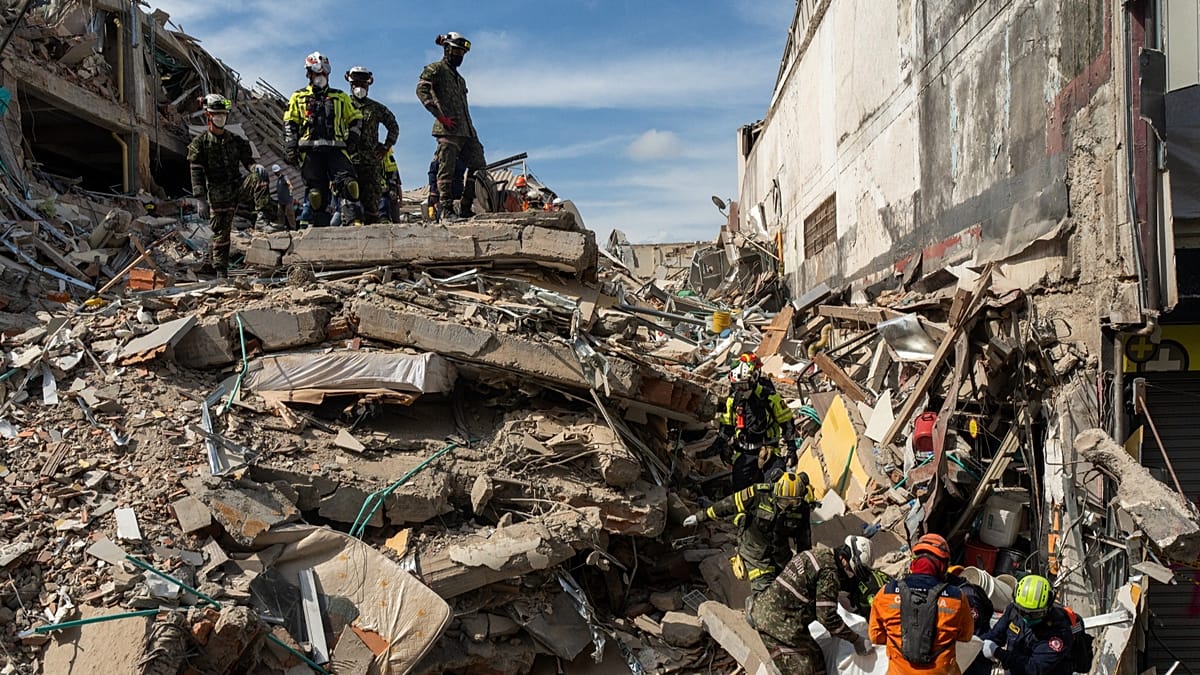
In the aftermath of the 7.4-magnitude quake, which struck on 17 August, rescue teams from across the country and abroad worked tirelessly to search for survivors in the rubble of collapsed buildings in Pereira and other towns. The scene of horror described by rescuers in Pereira highlighted the urgent need for improved building codes and emergency preparedness.
European solidarity and lessons
While the earthquake in Colombia is a distant event for many Europeans, it resonates with those who have experienced similar disasters on the continent. From the 2016 central Italy earthquakes to the 2020 Zagreb tremor, Europe has its own history of seismic activity, and the lessons from Colombia are relevant.
European institutions, including the EU's Civil Protection Mechanism, have often provided assistance to Latin American countries in the wake of natural disasters. In the case of the recent Colombian quake, the EU offered support, and several member states, including Spain and Germany, pledged aid. This spirit of international cooperation is crucial, as climate change and urbanisation continue to increase the risks posed by natural hazards.
For now, Colombian authorities are urging calm while continuing to monitor the situation. The SGC has stated that aftershocks are possible, though not necessarily imminent. In Bogotá, schools and offices resumed their activities after the initial evacuation, but many residents remain on edge.
As Colombia rebuilds from the devastating August quake, Wednesday's tremor serves as a sobering reminder of the country's fragility. It also underscores the importance of robust early warning systems and public education, areas where European countries have made significant strides and can offer expertise.
For Europeans watching from afar, the events in Colombia are a reminder that natural disasters do not respect borders. The global community, including Europe, has a shared interest in supporting disaster-prone regions and learning from each other's experiences. As the SGC continues to analyse the data, the hope is that the resilience shown by Colombians will inspire similar preparedness efforts elsewhere.