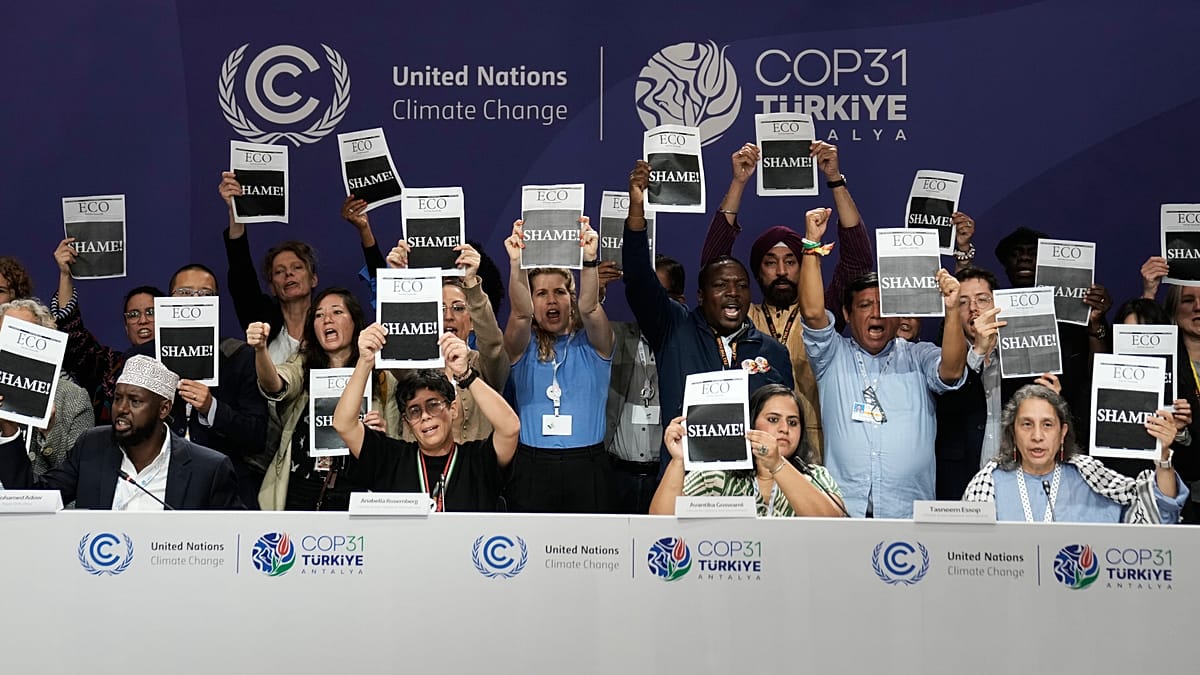
Climate activists gathered in Antalya on Friday, 20 November 2026, to voice their fury as the COP31 summit approached its deadline without a breakthrough. Chants of “shame” echoed through the conference halls, a stark rebuke to negotiators who, in the eyes of many observers, had produced a draft outcome that fell far short of the urgency demanded by the climate crisis.
The proposed text, circulated late Thursday, was met with immediate criticism from civil society groups and several delegations. It was seen as lacking concrete commitments on fossil fuel phase-out, adaptation finance, and loss and damage—issues that have dominated recent climate talks. The frustration was palpable, with activists accusing governments of prioritizing short-term economic interests over the long-term survival of vulnerable communities.
Stalled negotiations and rising tensions
Negotiations in the Turkish resort city had been fraught from the start. Divisions between developed and developing nations over the scale and distribution of climate finance proved particularly intractable. The European Union, represented by climate commissioner Wopke Hoekstra, pushed for a more ambitious package, but faced resistance from oil-producing nations and emerging economies wary of binding targets.
“We came here expecting leadership, but we are leaving with more of the same,” said Greta Thunberg, who addressed a rally outside the venue. “The science is clear, and yet the political will is nowhere to be found.” Her words were echoed by activists from across the continent, including delegations from Berlin, Paris, and Amsterdam, who had traveled to Antalya to pressure their leaders.
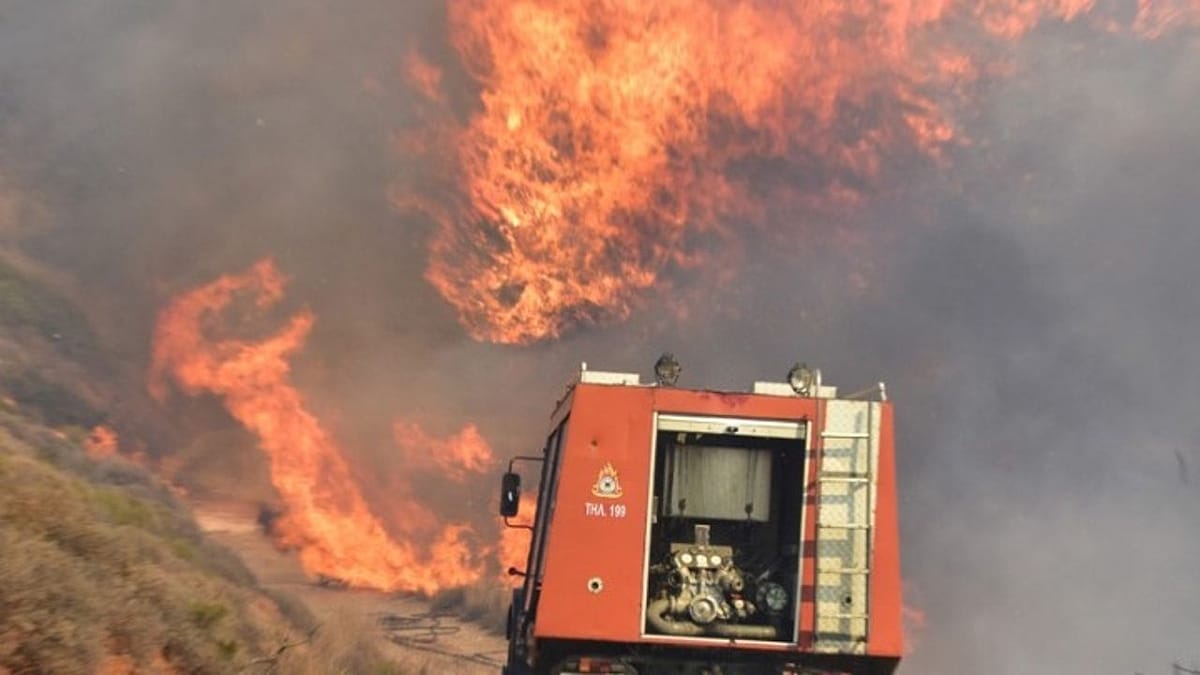
The stalemate also exposed deeper fractures within the EU itself. While the bloc has championed the European Green Deal, member states remain divided on how to share the burden of financing the transition. Southern European countries, already grappling with heatwaves and wildfires, are pushing for more adaptation support, while wealthier northern states are reluctant to increase their contributions.
Broader geopolitical context
The failure of COP31 comes at a time of heightened geopolitical tension. Turkey, a key host, has been navigating a complex diplomatic landscape, balancing its NATO membership with closer ties to Russia and the Gulf states. The recent defence pact with Qatar underscores Ankara's shifting alliances, which some analysts say may have influenced its negotiating stance on energy issues.
Meanwhile, the EU's efforts to link enlargement to strategic alignment have added another layer of complexity. The bloc's insistence on aligning foreign policy with its own has put pressure on candidate countries like Serbia and Georgia, and has also affected Turkey's relationship with Brussels. This broader context, as detailed in EU enlargement policy, has made consensus on climate issues even harder to achieve.
Activists also drew attention to the irony of holding a climate summit in a country that has recently suffered from industrial disasters, such as the steel plant explosion in Aliağa that killed 17 workers. They argued that such incidents highlight the need for a just transition that prioritizes worker safety and environmental protection.
What happens next?
As the deadline passed, negotiators were forced to extend the session, hoping to salvage at least a minimal agreement. But the mood was pessimistic. “We are running out of time, and the world is running out of patience,” said a senior EU diplomat, speaking on condition of anonymity. “The gap between rhetoric and reality is widening.”
The outcome of COP31 will be closely scrutinized in the coming weeks, particularly at the next round of UN climate talks. For now, the images of activists chanting “shame” in Antalya will linger, a powerful reminder of the growing disconnect between public expectations and political action.
In the meantime, the EU is expected to push for a more ambitious agenda at the upcoming European Council meeting, where climate finance will be a key topic. But as one activist put it, “We don't need more promises. We need action, and we need it now.”