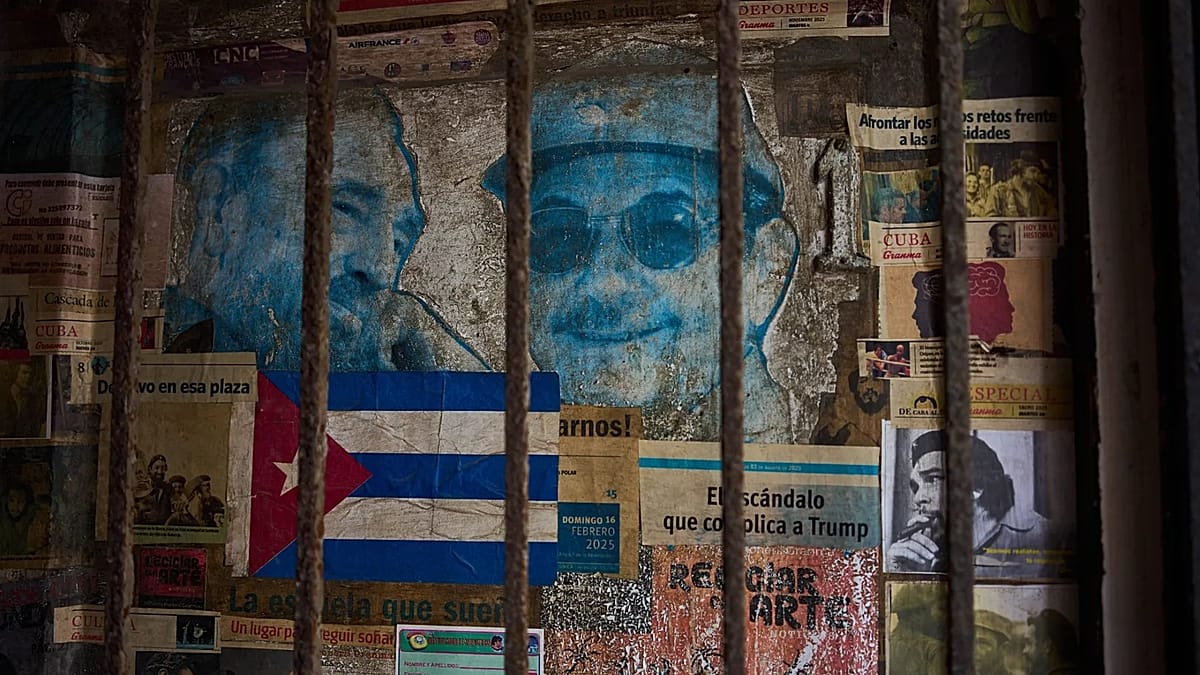
Cuba's government has accused the United States of blocking the delivery of United Nations humanitarian aid, as the island's worst economic and energy crisis in decades deepens. Foreign Minister Bruno Rodríguez said on Wednesday that 170 containers of UN aid, valued at $6.3 million (€5.4 million), cannot reach beneficiaries because of a fuel shortage caused by the US blockade.
Writing on X, Rodríguez stressed that the blockade was "not only hampering the performance of the Cuban economy" but also affecting the work of international organisations. The containers, he said, are stuck due to Washington's decision to cut off oil supplies from Venezuela in January, part of President Donald Trump's campaign to end more than six decades of communist rule in Havana.
Since Trump imposed the oil cutoff, only one tanker—from Russia—has managed to deliver fuel to the island. The blockade, combined with expanded US sanctions that penalise companies doing business with the Cuban state, has intensified shortages of food, water, and medicine. Parts of Havana have experienced blackouts lasting up to 30 hours at a time.
UN rights chief calls for immediate lifting of sanctions
On Monday, Volker Türk, the UN High Commissioner for Human Rights, called for the US sanctions to be "lifted immediately." "Children are dying because doctors lack access to essential medical supplies and medicines. This is unacceptable," Türk said. His remarks underscore the human toll of the crisis, which has also seen the departure of major European hotel chains like Meliá and Iberostar from the island, further straining its economy.
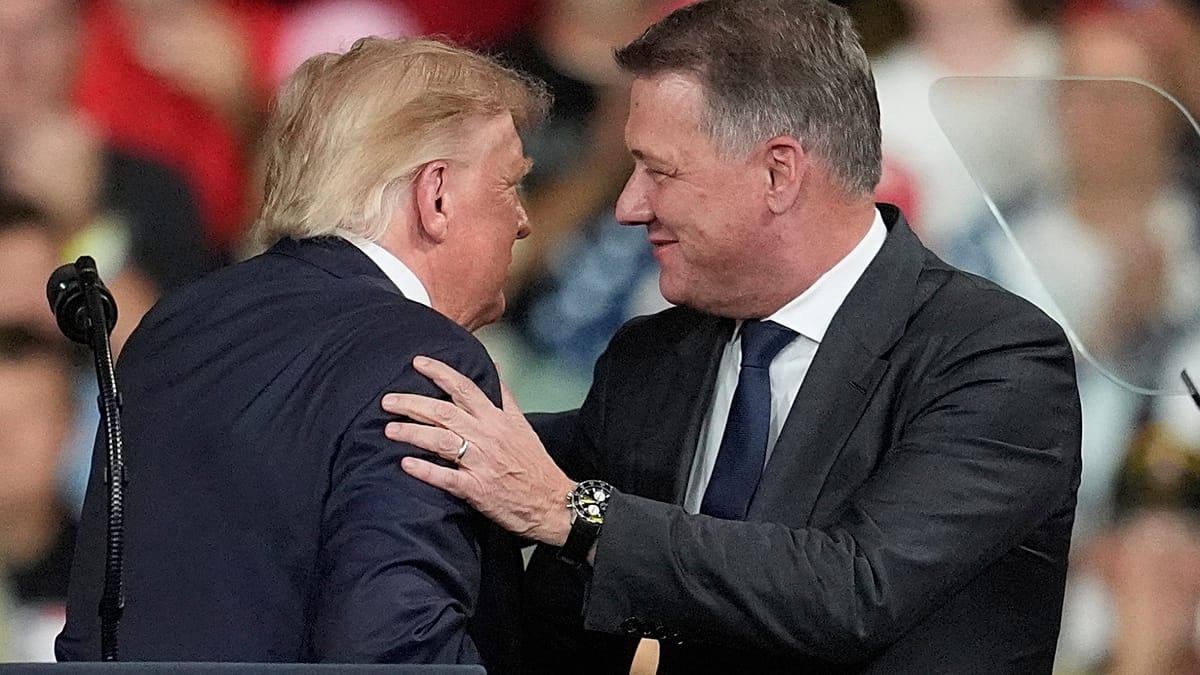
Trump has claimed that Cuba, located just 150 kilometres off the coast of Florida, poses a major threat to US national security. He has even floated the possibility of a "friendly takeover" of the island, which has a population of 9.6 million. The US administration has repeatedly denied responsibility for Cuba's economic strife, instead blaming the government's socialist policies.
In Washington, Cuba's top diplomat to the United States, Ambassador Lianys Torres Rivera, described the situation as "a war without bombs." Speaking at the Cuban embassy, she argued that recent US sanctions targeting Cuba's leadership and the indictment of former President Raúl Castro are a "pretext" for the Trump administration to persuade the American public to support a military intervention.
"The sanctions against our leaders, we see as a pretext to make the American people think we are a threat," Torres Rivera said. "We are not a threat to the US and we don't want confrontation." She warned that any effort to change Cuba's government by coercion or force would be met with fierce resistance.
The indictment of Castro, now 95, by a federal grand jury last month relates to the 1996 downing of two unarmed civilian planes operated by the Miami-based exile group Brothers to the Rescue. Castro, who served as Cuba's defence minister at the time, faces conspiracy and murder charges. Torres Rivera called Castro "a sacred symbol of the revolution" and vowed to defend him "until the end."
The crisis has drawn attention from European capitals, where policymakers are watching the impact of US sanctions on international humanitarian efforts. The EU has its own sanctions regimes, such as the 21st sanctions package targeting Russia, but has not imposed similar measures on Cuba. The situation highlights the broader geopolitical tensions between Washington and Havana, with European companies caught in the crossfire.
As the blackouts and shortages continue, the Cuban government remains defiant. "If we are attacked, we are going to respond and we are prepared for that. But we don't want it," Torres Rivera said. For now, the UN aid remains stranded, and the children of Cuba continue to suffer.