Spanish maritime authorities are on alert after a tanker carrying around 7,000 tonnes of diesel capsized in the Mediterranean off the coast of Ibiza. The vessel, the Maltese-flagged Med Emre, was en route from Algeciras in southern Spain to Barcelona when the incident occurred in the early hours of Thursday, 26 November.
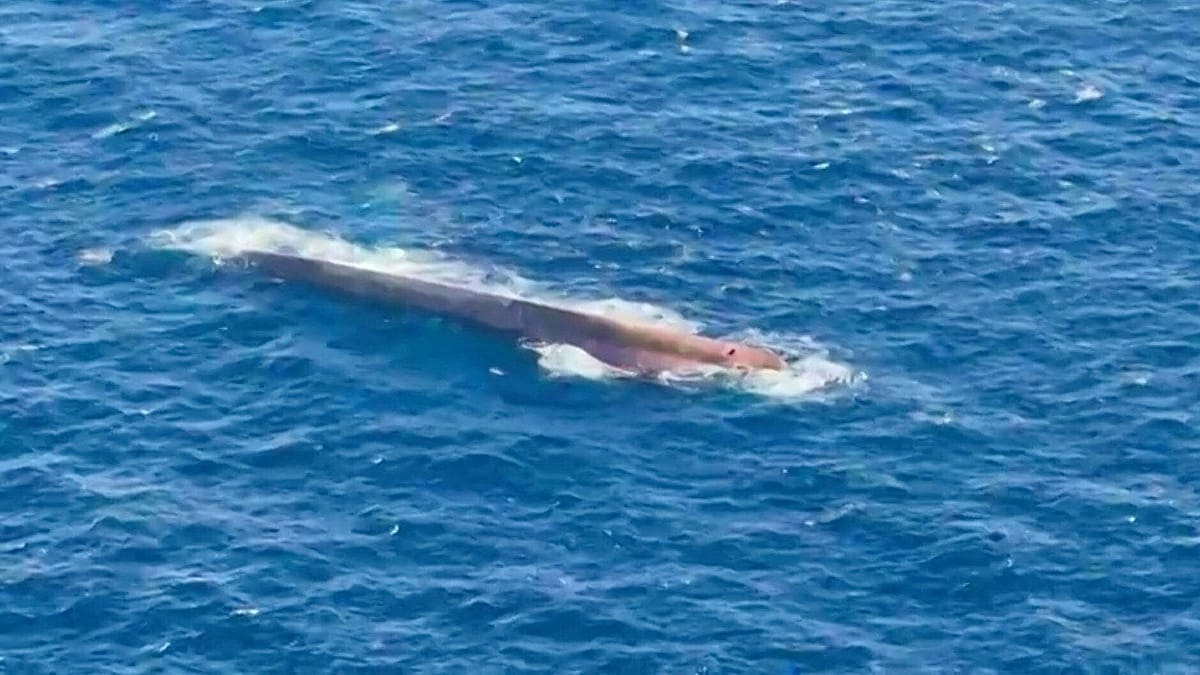
All 17 crew members were evacuated from the ship, but one later succumbed to injuries in a hospital. Six others are reported to have suffered minor injuries, including hypothermia. The vessel was found floating upside down, with its hull exposed above the waterline.
Spanish authorities have not yet confirmed any fuel leak, but monitoring operations are ongoing. The risk of marine pollution is being assessed, with the Balearic Islands' fragile ecosystem particularly in mind. The region is a biodiversity hotspot, and a diesel spill could have severe consequences for local marine life and the tourism-dependent economy.
Response and investigation
Salvage teams and environmental experts have been dispatched to the scene to evaluate the situation. The Spanish government is coordinating with regional authorities in the Balearics, as well as with Maltese officials, given the vessel's flag state. The cause of the capsizing remains under investigation, with initial reports suggesting a possible stability issue or sudden shift of cargo.
The Med Emre is a chemical and oil products tanker, and its cargo of diesel poses a significant environmental threat. Diesel is less viscous than heavy fuel oil, but it is highly toxic to marine organisms and can contaminate coastlines. The fact that the ship is inverted complicates any potential salvage operation, as access to the cargo tanks is limited.
This incident echoes previous maritime accidents in the Mediterranean, such as the sinking of the MSC Zoe in 2019, which spilled containers overboard, and the Agia Zoni II sinking off Salamina in 2017, which caused a major oil spill. Each event has prompted calls for stricter enforcement of shipping safety regulations in European waters.
Environmental groups have urged the Spanish authorities to act swiftly to prevent a disaster. The Mediterranean is already under pressure from pollution, overfishing, and rising temperatures, and a diesel spill would add to the strain. The Balearic Islands, including Ibiza, are particularly vulnerable due to their extensive coastlines and reliance on clean seas for tourism.
As the situation develops, the Spanish government has activated its maritime pollution response plan. Aerial surveillance is being used to detect any sheen or slick on the water's surface. So far, no visible spill has been reported, but the risk remains until the vessel is stabilized or its cargo safely removed.
The incident also raises questions about the safety of transporting hazardous materials through busy shipping lanes. The Mediterranean sees a high volume of tanker traffic, and the route between Algeciras and Barcelona is one of the busiest. The European Union has been working on stricter maritime safety rules, but implementation varies across member states.
For now, the priority is to prevent an environmental catastrophe. The Spanish authorities are working around the clock, and the coming days will be critical. The crew members who survived are receiving medical attention, and support is being offered to the family of the deceased.
This is a developing story. More information will be provided as it becomes available.