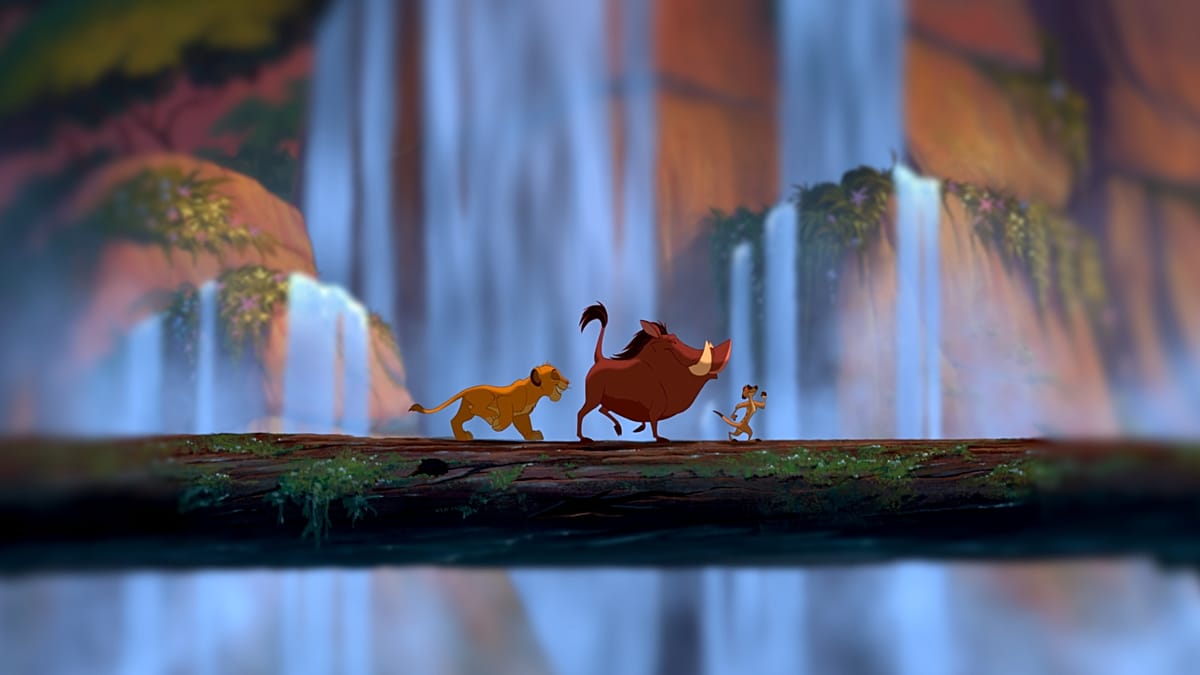
Some stories linger long after childhood fades. Plot details, song sequences, and even character names may blur, but the emotions and ideas they planted remain. For decades, Disney has been a shared cultural touchstone for generations of Poles, and a recent study from SWPS University in Warsaw reveals just how deeply these narratives shape our moral compass.
The research, conducted among adult Poles, found that 84% regularly watched Disney films and animations as children, and 82% still hold a fondness for them. But this attachment goes beyond nostalgia. The values embedded in these stories—friendship, loyalty, courage, and family—persist well into adulthood, influencing how we view the world and our place in it.
Friendship before success
When asked which values they associate with Disney, respondents most frequently cited friendship and loyalty (46%), followed by the triumph of good over evil (43%), overcoming difficulties (32%), and family (31%). Notably, money, fame, and prestige were absent from the top rankings. For adult Poles, Disney is less about achievement and more about relationships, kindness, and personal growth.
This emphasis on connection is no surprise. In Disney narratives, heroes rarely succeed alone; they rely on friends, family, and unexpected allies. The message resonates across ages: 89% of Poles say kindness towards others matters, the same proportion value being yourself, 87% prize courage, 86% family, and 84% believe love helps overcome difficulties.
Generational differences are relatively small, suggesting that the need for connection and the sense of not being alone are universal. Yet each generation interprets these stories through its own lens.
Generational lenses
For Baby Boomers (born 1945–1965), Disney stories reinforce a belief in clear moral order. 54% cite the triumph of good over evil as a key value, alongside honesty, hope, perseverance, and justice. Generation X (1965–1980) associates Disney with responsibility, growing up, and facing adversity, with 74% noting that these films offered a glimpse of the Western world.
Millennials (1980–1995) shift focus to authenticity, acceptance, and the freedom to live on one's own terms. Characters like Mulan, Elsa, and Vaiana embody this quest for self-discovery, moving beyond societal expectations to find their own paths.
The shift is most pronounced among Gen Z (1995–2010). Self-acceptance is mentioned by 29% of Gen Z respondents, compared to just 12% of the oldest group. Independence and diversity show a similar rise, from around 10% to 18%. The pursuit of dreams jumps from 14% among Baby Boomers to 38% among Gen Z. Conversely, the belief in good triumphing over evil drops from 54% to 24%.
This doesn't mean younger generations have abandoned morality. Rather, their definition of a hero has evolved. Defeating evil and restoring order is no longer sufficient; what matters is whether a hero can choose their own identity and path. For Gen Z, self-realisation, belonging, and acceptance of diversity are paramount. The key message: find your own way.
Despite a vast array of modern content, Gen Z isn't rejecting classic Disney. Instead, they want these timeless values combined with contemporary storytelling. Nearly half (46%) of Gen Z respondents favour blending Disney classics with modern ideas. Overall, 87% of all respondents want Disney's classic values preserved, with 45% preferring them unchanged and 42% open to adaptation.
The study underscores how Disney's narratives serve as a cultural bridge, connecting generations through shared values while allowing each to reinterpret them. As debates over children's media consumption continue across Europe, these findings offer a reminder of the positive, lasting impact that thoughtful storytelling can have.
In an era of fragmented media, Disney's ability to foster empathy and resilience remains a powerful force, not just in Poland but across the continent. Whether it's the passing of traditions or the transmission of crafts, the values we inherit shape who we become—and Disney's stories are a significant part of that inheritance for many Europeans.