The European Bank for Reconstruction and Development (EBRD) has revised its growth projections downward for the economies it operates in, pointing to the ongoing conflict in the Middle East as a key driver of economic disruption. The bank, which invests across central and eastern Europe, Central Asia, the Middle East and North Africa, now expects aggregate growth of 3.1% in 2026, down from 3.4% in 2025 and 0.5% lower than its February forecast.
In its latest Regional Economic Prospects report, titled "Strai(gh)t talk", the EBRD projects a recovery to 3.6% in 2027, though this too is slightly below earlier expectations. The downgrade reflects the ripple effects of the Iran war, which has pushed up oil and gas prices, disrupted shipping through the Strait of Hormuz, and widened the gap between European and US energy costs. These factors have weakened competitiveness and slowed economic momentum across many of the bank's member states.
First-quarter slowdown and regional disparities
The EBRD estimates that growth across its regions slowed to 2.9% year-on-year in the first quarter of 2026. Several large economies underperformed, including Egypt, Kazakhstan, Romania, Turkey and Ukraine. The latter continues to grapple with the ongoing war with Russia, while Romania faces its own fiscal challenges. For more on Ukraine's resilience amid conflict, see Ukraine Strikes St. Petersburg as Russia Hosts Economic Forum.
"The conflict in the Middle East has delivered a new shock to regions already navigating weakness in manufacturing industries and fragile fiscal positions," said EBRD Chief Economist Beata Javorcik in a statement accompanying the report.
Inflation resurgence and borrowing cost pressures
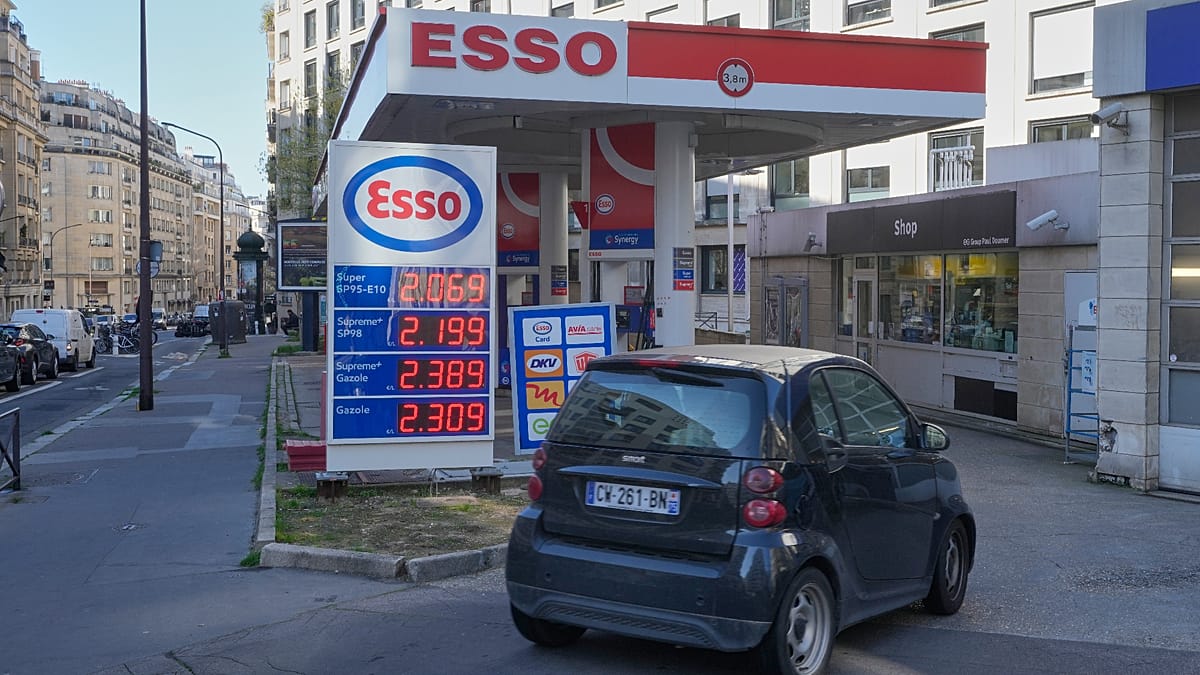
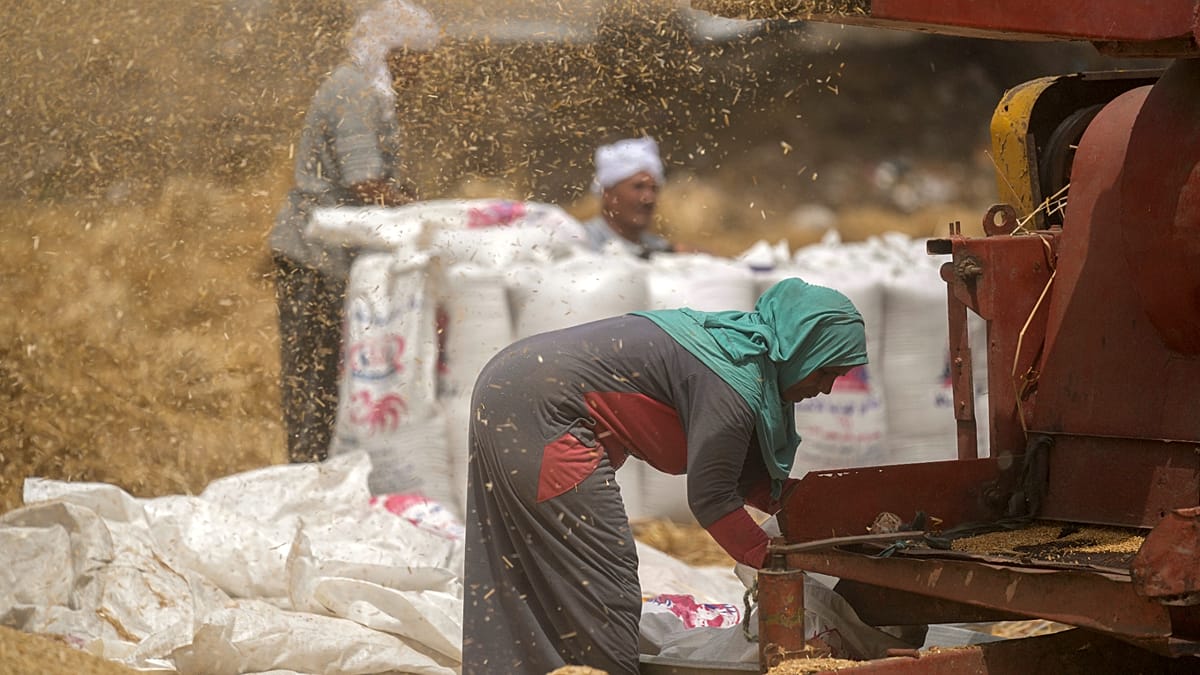
The report highlights a renewed rise in inflation after a period of moderation in late 2025. Average inflation across the EBRD regions increased to 6.4% between February and April 2026, up by 1.2 percentage points. Higher energy and food prices were the main drivers, with currency depreciation against the US dollar adding further pressure in some economies. The bank warns that inflation is likely to remain elevated for longer than previously expected, particularly because food and energy account for a larger share of household spending in many of its economies than in advanced markets.
Almost two-thirds of the EBRD's economies have introduced measures to support consumers or reduce energy consumption, including fuel price caps, tax reductions and targeted subsidies. However, the bank cautions that public finances are coming under increasing strain. Higher energy costs, rising borrowing expenses and tighter global financial conditions are adding pressure, especially in economies that already have elevated debt levels. This is reminiscent of earlier tensions in the EU, such as when Brussels rebuked Rome over untargeted fuel duty cuts amid the energy crisis.
Energy security and the European dimension
The energy shock has particular resonance for Europe, where the EBRD's operations span from Poland to the Balkans. The widening cost differential between European and US energy is a concern for competitiveness, especially for energy-intensive industries in countries like Germany and Poland. Meanwhile, efforts to diversify energy supplies are ongoing, as seen in discussions at the Baku Energy Week 2026, where AI and gas security dominated the agenda as Azerbaijan positions itself as a regional hub.
The EBRD's forecast underscores the interconnectedness of global conflicts and regional economies. As the Iran war continues to disrupt energy markets, the bank's member states face a challenging path ahead, balancing inflation control with fiscal sustainability. The report serves as a reminder that Europe's economic stability is increasingly tied to developments far beyond its borders.