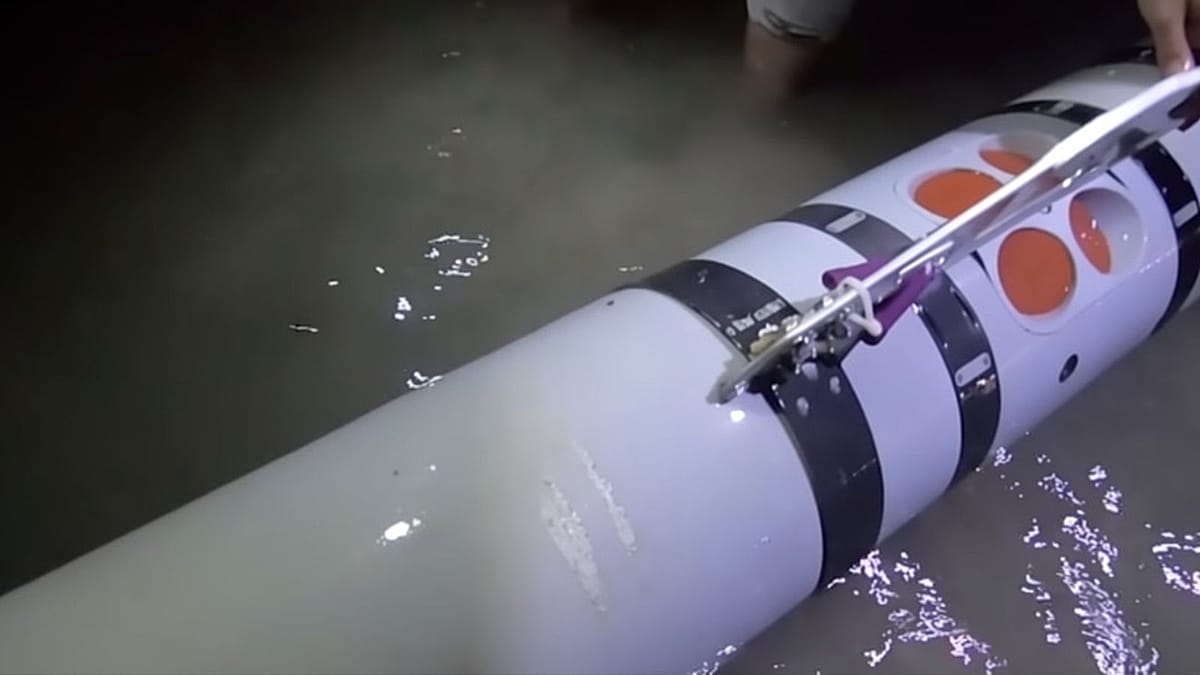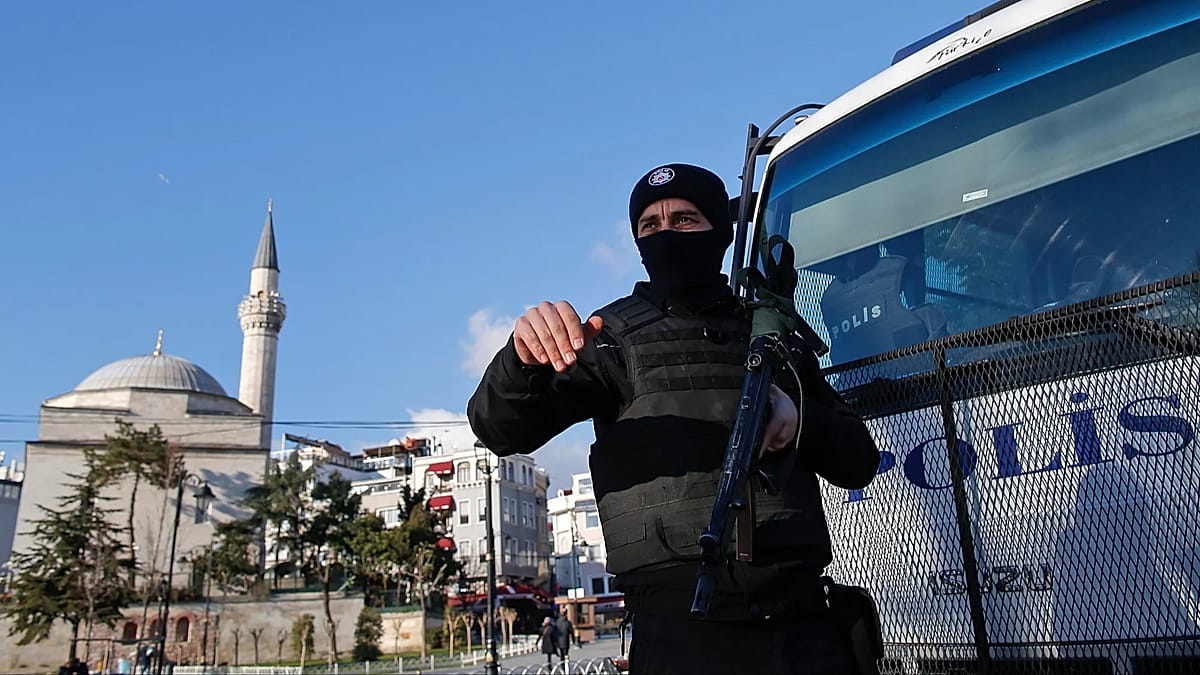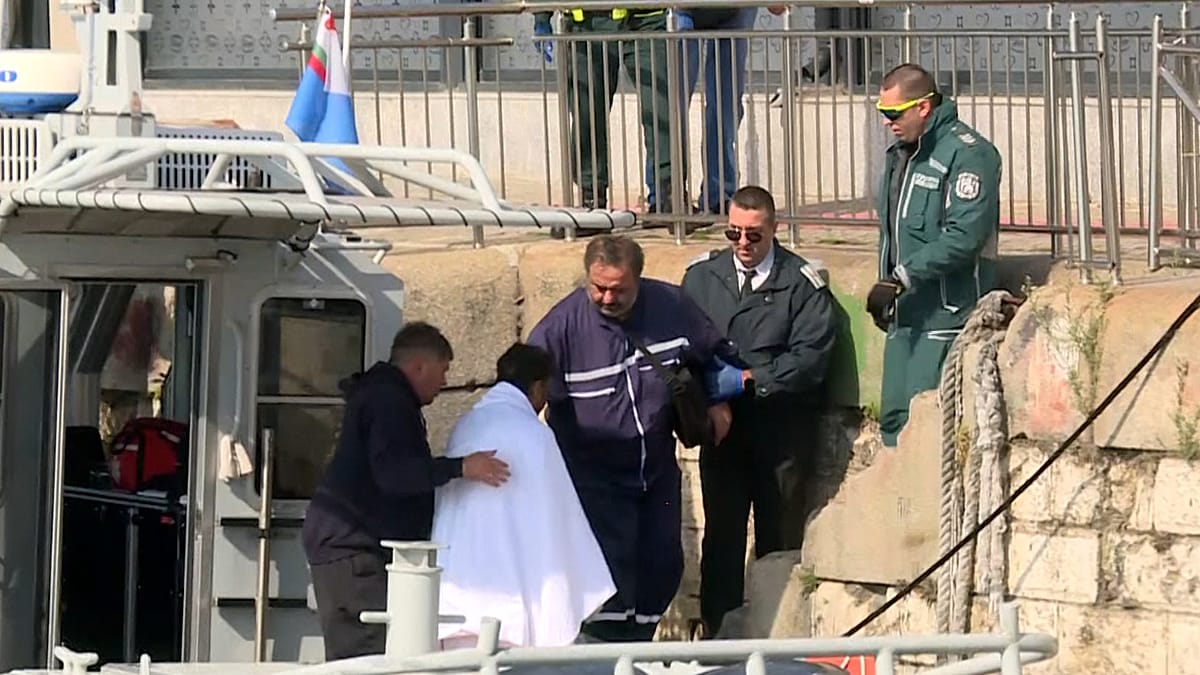
Early Tuesday morning, a commercial vessel was struck by drones in the Black Sea off the coast of Bulgaria, marking the second such attack in the region within a short span. The incident prompted a swift rescue operation that saved all 18 crew members aboard the targeted ship.
The rescued sailors—11 Turkish nationals and seven from India—were taken aboard the Bulgarian ferry Dioscuria, which happened to be in the vicinity. According to maritime officials, two of the rescued sailors sustained injuries and were being transported to a hospital in Varna, Bulgaria's major port city. The remaining 16 crew members were being brought ashore for medical checks and debriefing.
The attack comes amid heightened tensions in the Black Sea, where drone strikes have increasingly targeted commercial shipping. Just hours earlier, another cargo vessel had sunk following a similar drone assault, and the search for its crew was still underway. Rescuers at the scene found only an overturned lifeboat and scattered life jackets, raising fears for the missing sailors.
Rising threats to maritime trade
The Black Sea has become a flashpoint for drone warfare, with both state and non-state actors using unmanned aerial vehicles to disrupt shipping lanes. This latest incident underscores the growing risks faced by merchant vessels operating in the region, which is vital for grain exports and other trade.
Bulgarian authorities have condemned the attack, with Prime Minister describing it as "absolutely unacceptable" in a statement. The European Union has also expressed concern, with discussions underway on tightening curbs on Russian diplomats amid a broader pattern of hybrid attacks across the continent.
The EU has been ramping up its own drone capabilities, recently boosting drone funding by €130 million for border security. However, the Black Sea remains a gray zone where commercial vessels are often caught in the crossfire.
Maritime safety experts point out that the use of drones against civilian ships is a worrying development, as it blurs the line between military and civilian targets. "This is not just an isolated incident; it's part of a broader pattern of attacks that threaten the freedom of navigation," said a shipping industry analyst based in Brussels.
The rescue operation was coordinated by the Bulgarian Maritime Administration, which deployed tugs and patrol boats to assist the Dioscuria. The ferry, which was en route to Varna, altered its course to pick up the survivors.
Meanwhile, the search for the missing crew from the sunken cargo ship continues, with Bulgarian and international vessels scouring the area. The overturned lifeboat and life jackets found at the scene suggest the crew may have attempted to abandon ship, but their fate remains uncertain.
This incident is likely to intensify calls for greater protection of commercial shipping in the Black Sea. The EU has already imposed sanctions on entities involved in drone production and has been exploring ways to enhance maritime security in the region. Germany's recent pledge to supply drones and joint arms production with Ukraine is part of a broader effort to counter such threats.
As the situation unfolds, the focus remains on the safety of seafarers and the resilience of supply chains that depend on Black Sea routes. The international community is watching closely, with many hoping that diplomatic efforts will de-escalate the conflict before more lives are lost at sea.