As summer approaches, the World Meteorological Organisation (WMO) has issued a stark warning: there is an 80% probability that El Niño will develop in the coming months, with a 90% chance it persists into November. This climate phenomenon, driven by unusually warm waters in the tropical Pacific, is expected to trigger extreme weather across the globe, including Europe. For travellers planning holidays in the continent, this means heightened risks of heatwaves, wildfires, and storms.
How El Niño Reshapes European Travel
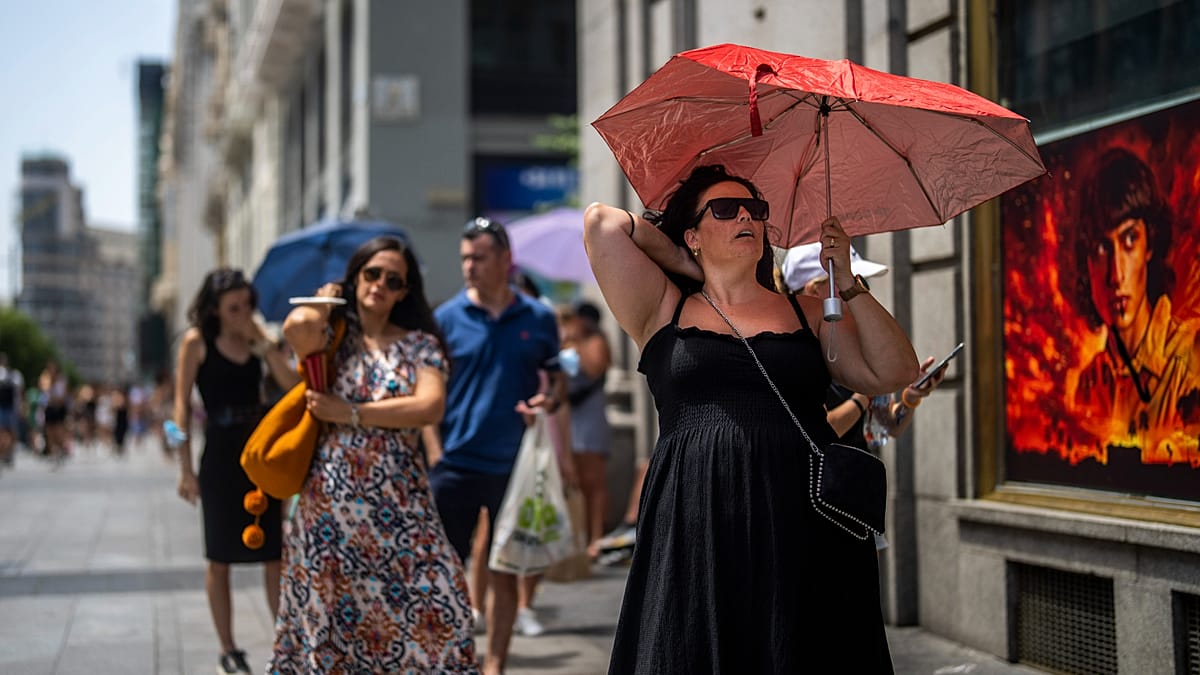
El Niño disrupts normal weather patterns, often leading to above-average temperatures in many regions. The WMO forecasts that from June to August, much of Europe will experience hotter-than-usual conditions. Southern Europe, including Spain, Italy, and Greece, could face prolonged heatwaves, while northern areas like Scandinavia may see increased rainfall and storm activity. This variability poses challenges for tourists, who must now factor weather uncertainty into their plans.
A recent survey by Sensible Weather, a US-based weather protection provider, found that bad weather is now the second biggest concern for travellers when booking, after cost. Over half of respondents (55%) said they have delayed a trip due to weather uncertainty. This trend is evident in Europe, where destinations like the Spanish coastal waters hit record May temperatures after an extreme heatwave, prompting some to reconsider their plans.
“We’re seeing travellers become more selective about destinations, with more interest in ‘coolcations,’ shoulder-season travel, and experiences that feel more adaptable if weather conditions change during a trip,” says Nick Cavanaugh, founder and CEO of Sensible Weather. This shift is particularly noticeable among European tourists, who are increasingly opting for cooler regions such as the Baltic coast or the Alps, or choosing to travel in spring and autumn to avoid peak heat.
Weather Protection Products Gain Traction
Traditional travel insurance often covers major disruptions like medical emergencies or flight cancellations, but it rarely reimburses for weather-related inconveniences that don’t trigger official advisories. As a result, a new wave of weather protection products is emerging. Sensible Weather offers automatic reimbursements if qualifying weather conditions are forecast for a booking. Similarly, Vrbo has partnered with WeatherPromise to provide payouts if rainfall exceeds a threshold based on historical data for the destination and dates.
In Europe, such products are gaining popularity. For instance, JetBlue Vacations recently trialled a ‘Great Weather Guarantee’ for Jamaica packages, but similar concepts are being explored by European tour operators. The idea is to give travellers confidence that their investment is protected, even if the forecast changes. “Traditional travel insurance is often built around major events that interrupt or prevent a trip altogether,” Cavanaugh explains. “But many travellers are now more concerned about what happens if the trip goes ahead and the weather negatively impacts the experience.”
This is particularly relevant for outdoor activities. If a heatwave is forecast and your itinerary involves hiking in the best European hiking trails for summer, it might be worth asking your travel provider if you can change your plans or dates. Some operators are becoming more flexible, offering free date changes or alternative activities when extreme weather is predicted.
Practical Advice for European Travellers
Given the high probability of El Niño, travellers should be proactive. Check government travel advisories and weather forecasts regularly. Consider purchasing weather protection products or travel insurance that covers weather-related disruptions. If you’re heading to a region prone to wildfires, like southern France or Portugal, ensure your accommodation has clear evacuation plans. For those visiting northern Europe, be prepared for sudden storms and pack accordingly.
European cities are also adapting. Northern European cities join global effort to combat extreme heat, implementing cooling centres and green spaces to help residents and tourists cope. Meanwhile, airports like those in Portugal are deploying extra officers to ease summer queues, anticipating higher passenger volumes despite weather concerns.
Ultimately, El Niño doesn’t mean you should cancel your trip, but it does require a more thoughtful approach. As Cavanaugh notes, “People still want to travel, but they want more confidence that their trip investment will hold up, even if the forecast changes.” By staying informed and flexible, European travellers can still enjoy a memorable summer, whatever the weather brings.