A coalition of eleven European Union member states has formally requested a postponement of proposed methane regulations, arguing that the measures could undermine the bloc's energy security by discouraging foreign natural gas suppliers. The move highlights the persistent tension between the EU's climate ambitions and its reliance on imported fossil fuels, a dilemma sharpened by the ongoing energy crisis.
The countries—whose names have not been officially disclosed but are understood to include several central and eastern European states—contend that the new rules would impose additional compliance costs on international producers, potentially reducing the availability of natural gas on European markets. In a joint letter to the European Commission, they warned that the regulations could 'jeopardise the stability of gas supply' at a time when the EU is still grappling with the fallout from Russia's war in Ukraine and the subsequent disruption of pipeline flows.
Balancing Climate Goals and Energy Needs
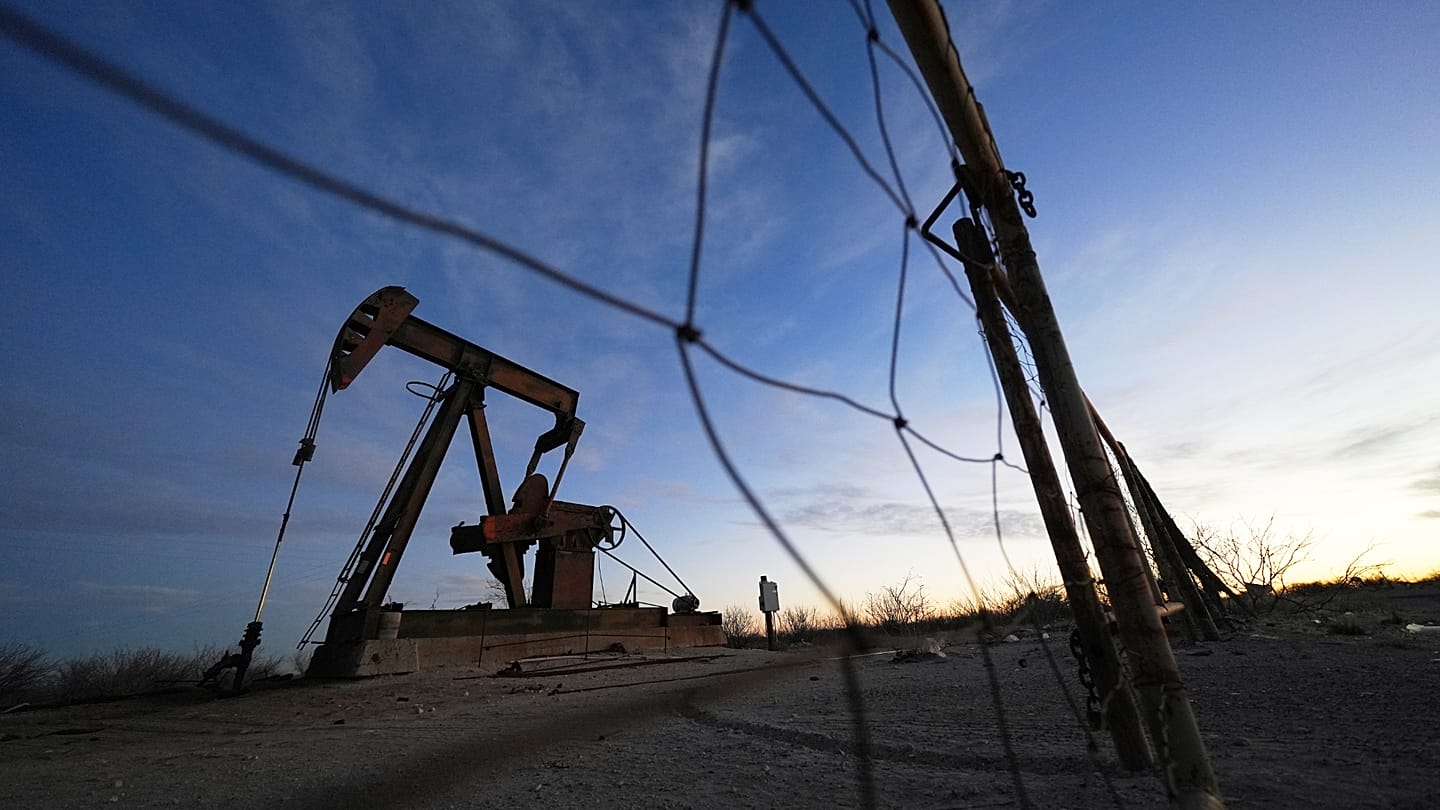
The proposed methane rules, part of the EU's broader Fit for 55 climate package, aim to curb emissions of the potent greenhouse gas across the bloc's energy supply chain, including from imported oil and gas. Methane has a warming effect more than 80 times stronger than carbon dioxide over a 20-year period, making it a priority target for climate action. The United Nations has repeatedly urged nations to accelerate methane mitigation, with the Global Methane Pledge—launched at COP26 in Glasgow—now signed by over 150 countries.
Environmental organisations have reacted sharply to the call for a pause. 'The EU cannot afford to cave in to industry pressure on methane,' said a spokesperson for the European Environmental Bureau. 'Delaying these rules would send a disastrous signal to global partners and undermine the bloc's credibility as a climate leader.' The criticism echoes broader concerns about the EU's coherence on energy policy, as highlighted in a recent Greenpeace report that accused Brussels of 'deep incoherence' in balancing decarbonisation with short-term supply security.
The debate also intersects with ongoing discussions about post-2030 climate financing. A separate group of twelve EU states has been pushing for extended green funding mechanisms to ease the transition, underscoring the fiscal strains that many member states face as they attempt to decarbonise while maintaining affordable energy for households and industry.
The Commission has not yet responded formally to the request for a pause. However, internal documents suggest that the executive body is wary of reopening the legislative text, which was already the subject of intense negotiations between member states and the European Parliament. Any delay could push the implementation of the methane rules beyond the current political cycle, potentially weakening the EU's negotiating position at the upcoming COP29 climate summit in Baku.
For now, the eleven countries have framed their request as a pragmatic measure to avoid unintended consequences. 'We are not opposing the goal of reducing methane emissions,' one diplomat involved in the talks told European Pulse. 'But we need to ensure that the rules do not backfire by making Europe more dependent on coal or by driving up energy prices for our citizens.'
The standoff reflects a deeper strategic challenge for the EU: how to reconcile its role as a global climate pioneer with the immediate imperatives of energy security and economic competitiveness. As winter approaches and gas storage levels remain a concern, the pressure to prioritise supply over sustainability is likely to intensify.