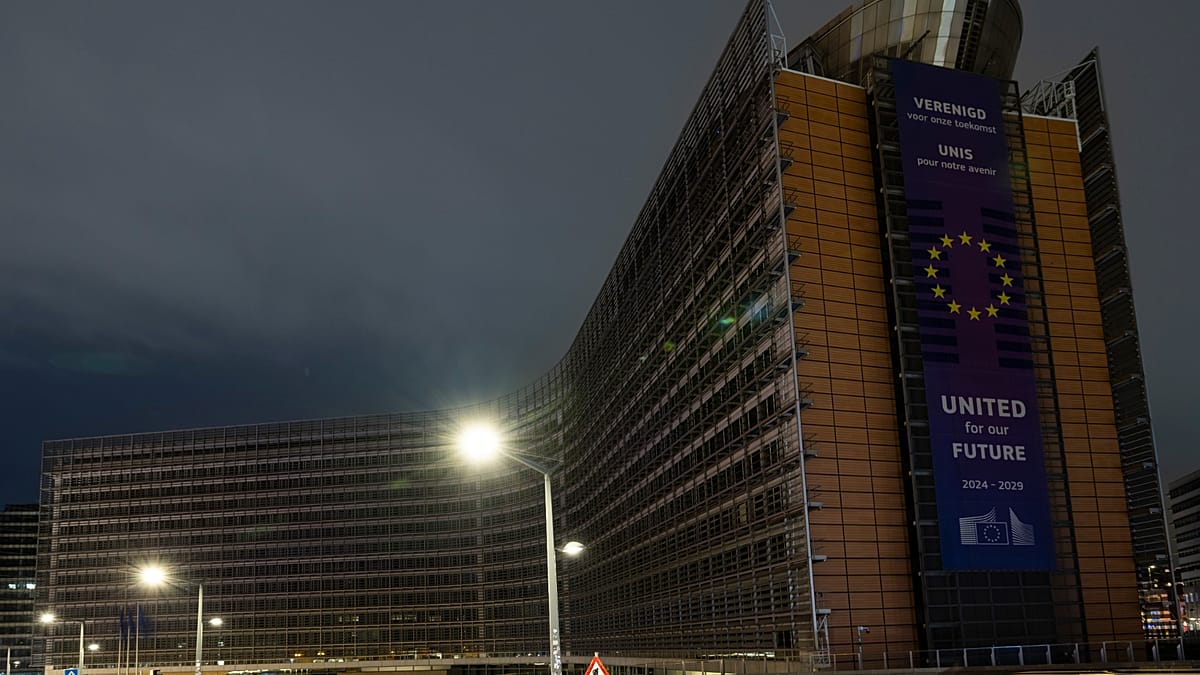
The European Commission has confirmed that its internal human resources systems were targeted in a significant cyberattack, though the full extent of the damage remains unclear. For several days, staff across the EU's executive branch were unable to access Sysper, the internal platform used for managing salaries, holiday requests, sick leave, timesheets, and training registrations.
By Thursday, Sysper had been restored, but the Joint Sickness Insurance Scheme (JSIS), which handles health insurance for EU officials, was still offline, according to an official who spoke to Euronews on condition of anonymity. The disruption was largely invisible to outsiders, but it has raised serious questions about the security of personal data held by the EU's central administration.
Attackers still unidentified
CERT-EU, the cybersecurity service for the EU institutions, is leading the investigation. The key concern is whether the attackers managed to access the data stored in Sysper, JSIS, and other HR systems. That data includes names, pay grades, home addresses, and contact details of thousands of EU civil servants. Such information could be used to craft highly targeted phishing campaigns or other forms of cyber-espionage against individual officials.
Importantly, the compromised systems are separate from the Commission's internal document repositories, so the attack is unlikely to have exposed sensitive policy documents or internal communications. Still, the potential loss of personal data is a serious matter, and EU officials have not yet received formal internal communications about the incident, as the assessment is ongoing.
This is not the first time the Commission has faced such threats. In March, its cloud infrastructure hosting the Europa.eu websites was breached, leading to the theft of approximately 91.7 GB of data, including personal information and email content. In January, a separate attack targeted the Commission's central mobile-device infrastructure, potentially exposing staff names and phone numbers.
The latest incident underscores the growing sophistication of cyber threats against European institutions. As Europe confronts hybrid threats from state and non-state actors, the security of EU systems has become a critical concern. The Commission has been working to bolster its cyber defenses, but the repeated breaches suggest that more needs to be done.
Experts point out that the attack on HR systems is particularly concerning because it targets the personal lives of EU employees. "This is not just about data theft; it's about the potential for targeted manipulation of individuals," said one cybersecurity analyst. "The information in HR databases can be used to craft convincing social engineering attacks."
The Commission has not yet disclosed who might be behind the attack, and no group has claimed responsibility. The investigation is ongoing, and CERT-EU is working to determine the scope of the breach. In the meantime, EU staff are advised to be vigilant for any suspicious communications that might exploit the incident.
The attack also comes at a time when the EU is pushing for stronger cybersecurity measures across the bloc. The recent warning from the EU agency about AI-driven cyberattacks highlights the evolving nature of these threats. As the Commission continues to digitalize its operations, the need for robust security protocols has never been more urgent.
For now, the immediate impact on staff has been limited to temporary disruptions in accessing HR services. But the long-term consequences could be more severe if the stolen data is misused. The Commission has promised to keep staff informed as the investigation progresses, but for many, the uncertainty is unsettling.
This incident is a stark reminder that even the most secure institutions are vulnerable. As the EU prepares to expand its digital infrastructure, it must also invest in the cybersecurity measures needed to protect its people and its data.