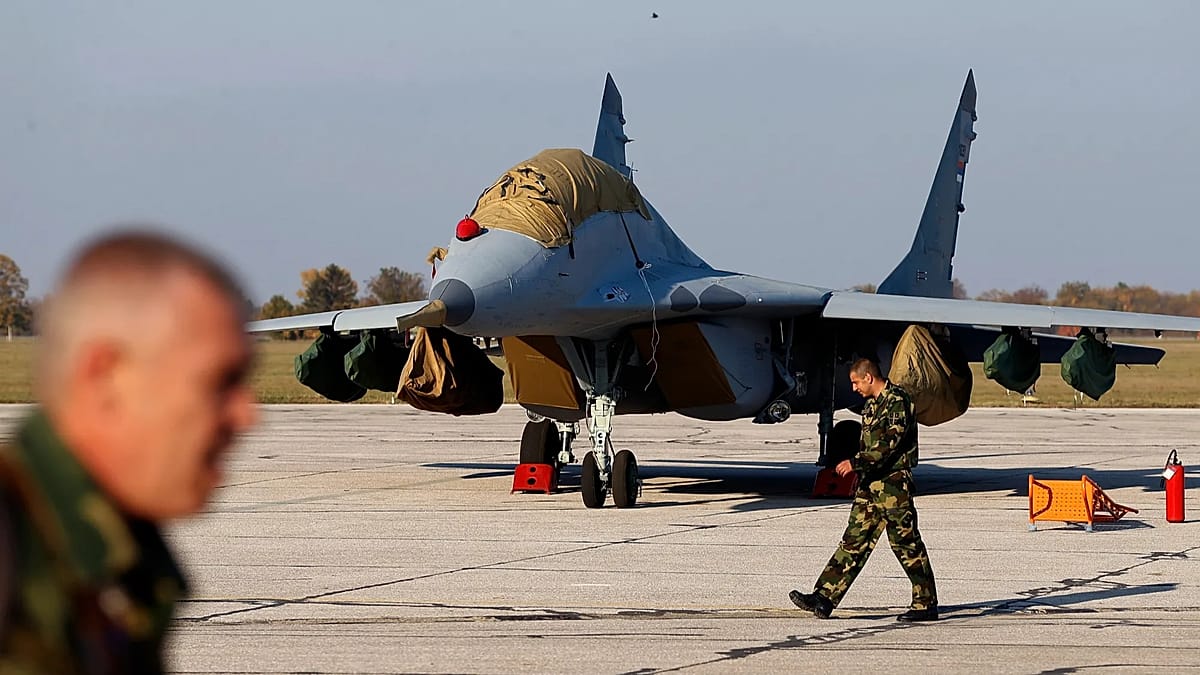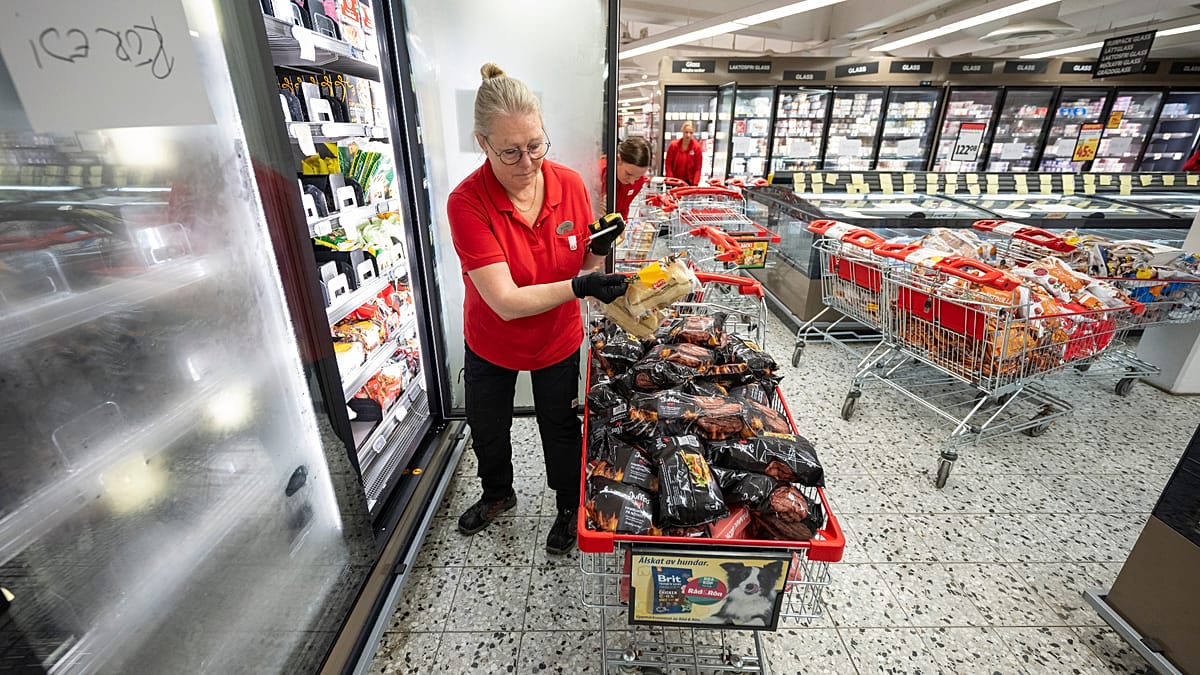
Europe is under sustained assault from hybrid threats: cyberattacks on supermarket refrigeration systems, false bomb scares on aircraft, disinformation operations, and sabotage of critical infrastructure. In October, France attributed a hack on supermarket fridges to Iran, but responsibility for many such incidents is laid at Russia's door or that of pro-Russian proxies.
In the latest edition of Euronews Verify, James Thomas assessed Europe's readiness for these challenges with Kenneth Lasoen, professor of intelligence and national security at the University of Antwerp, and Hanna Smith, professor of practice in preparedness and resilience studies at Vaasa University.
"There is a battle almost of ideologies between democracies and authoritarian regimes," Smith observed, framing the hybrid threat as part of a broader systemic contest.
The incidents are varied but share a common aim: to test vulnerabilities and erode public confidence. From the targeting of everyday infrastructure to the disruption of transport networks, hostile actors are probing the seams of European societies. The response requires not only technical defences but also societal resilience—a point underscored by the experts' focus on preparedness.
Enlargement gains momentum
Parallel to the security challenge, the European Union is moving to accelerate its enlargement process. Ten countries hold official candidate or potential candidate status, some having waited over a decade. Now, the bloc hopes Montenegro could join as early as 2028. Albania, Moldova and Ukraine are also advancing rapidly through accession negotiations.
Euronews Verify's Lauren Walker examined this renewed appetite for expansion with Tinatin Akhvlediani, head of the enlargement programme at the Centre for European Policy Studies.
"The momentum was really brought by Russia's full-scale invasion of Ukraine," Akhvlediani said, highlighting how geopolitical shock has injected urgency into a process long criticised for its glacial pace.
The war has reshaped the EU's strategic calculus. Enlargement is no longer merely a bureaucratic exercise but a tool of stabilisation and deterrence. Yet questions remain about the Union's capacity to absorb new members and maintain cohesion. The prospect of Montenegro joining by 2028 signals a new phase, but the path for others—particularly Ukraine and Moldova—remains fraught with political and economic hurdles.
As Europe grapples with hybrid attacks, the enlargement drive is intertwined with security. Bringing candidate countries closer into the European fold is seen as a way to extend stability and counter external influence. But it also demands that the EU sharpen its own defences, from cybersecurity to counter-disinformation.
Recent incidents, such as the bomb threats that forced the evacuation of schools in Italy, illustrate the pervasive nature of the threat. The targeting of educational institutions, as seen in Italy's school evacuations, shows how hybrid tactics can sow panic and disrupt daily life. Meanwhile, European hospitals are also bracing for conflict-related threats, as health systems face new pressures, a concern highlighted in preparations for conflict.
Poland has called for Cold War-style deterrence against AI-driven cyberattacks, a sign that member states are seeking robust responses. As reported in Poland's deterrence push, the evolving threat landscape demands innovative strategies.
Citizen preparedness is also part of the equation. In Portugal, an app guiding citizens through 72-hour emergency readiness, detailed in Portugal's emergency app, reflects a growing awareness that resilience starts at the individual level.
The dual challenge of hybrid threats and enlargement will shape Europe's agenda for years. The EU's ability to defend itself while expanding its membership will test its political will and institutional agility. As Smith and Lasoen suggest, the battle is not only technical but ideological—and Europe must be ready on both fronts.