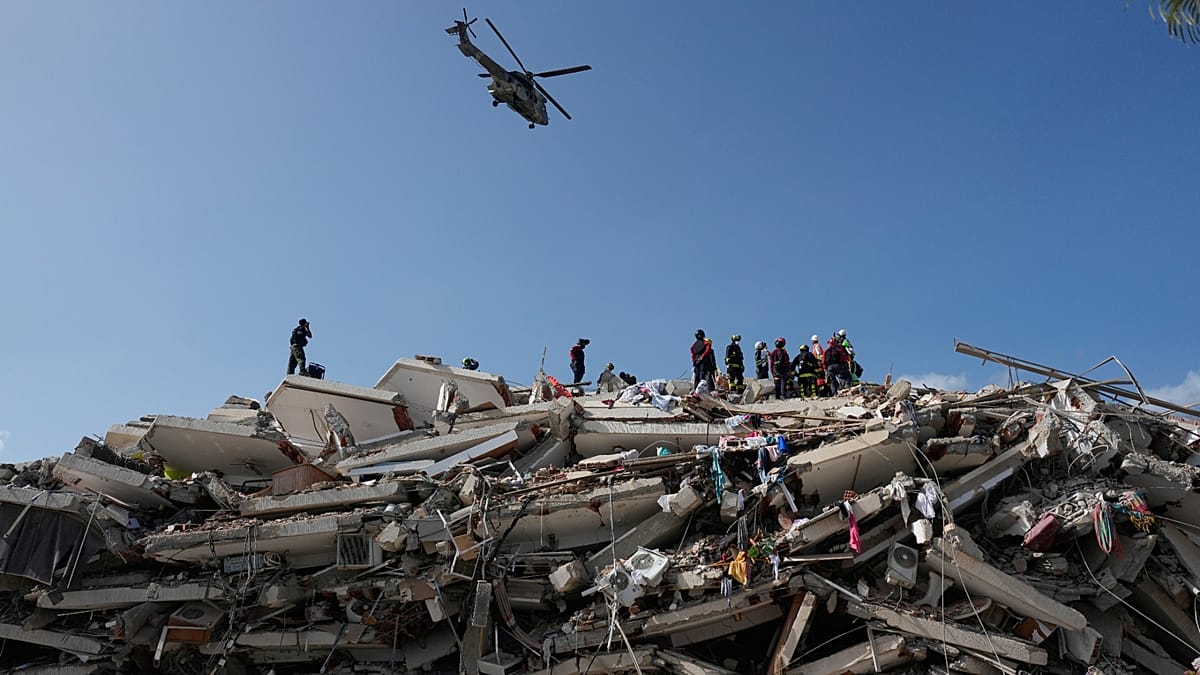
The European Union has mobilised a significant humanitarian response to Venezuela after a pair of powerful earthquakes struck the country on Wednesday, causing widespread devastation. The quakes, measuring 7.2 and 7.5 in magnitude, have left at least 920 people dead and more than 50,000 missing, according to United Nations estimates.
Through the EU Civil Protection Mechanism, the European Commission is coordinating the deployment of 520 search and rescue personnel from eight member states: Czechia, Spain, Italy, France, Luxembourg, Germany, Portugal, and the Netherlands. The EU has also activated its Copernicus satellite system for emergency mapping, providing free satellite imagery to aid disaster response efforts.
European Rescue Operations Underway
On Saturday, the first Italian Air Force plane landed in Caracas, carrying rescue teams coordinated by Italy's Civil Protection and Crisis Unit. More than one hundred Italian operators, including doctors and search specialists, are now active on the ground, working alongside local and international authorities. Defence Minister Guido Crosetto confirmed that a second aircraft is prepared to depart with additional specialised personnel and firefighters.
Foreign Minister Antonio Tajani announced an initial allocation of five million euros in financial aid, earmarked for the Red Cross, Caritas, and the World Food Programme to support relief efforts.
Spain's Minister of Defence wrote on X that the Military Emergencies Unit is "working hard to provide the necessary assistance and capabilities in the earthquake's ground zero in #Venezuela," adding that "canine units and deployed personnel are working on preliminary reconnaissance and the search for survivors."
Meanwhile, 85 French search and rescue personnel have arrived in Caracas to assist with operations. The United Kingdom's Royal Air Force is also preparing aid packages for deployment, while Turkey has sent two military aircraft carrying search and rescue teams, medical personnel, and humanitarian supplies.
This coordinated European response underscores the continent's capacity for rapid international disaster relief, even as the EU faces its own internal challenges. For more on how the bloc manages such crises, see our coverage of EU Rescue Teams Scour Rubble in Venezuela After Deadly Quakes.
The scale of the disaster has prompted comparisons to other major humanitarian efforts, though the political context in Venezuela adds complexity. The country's ongoing economic and political turmoil, including a record debt restructuring plan after the fall of Nicolás Maduro, as detailed in Venezuela Plans Record $240 Billion Debt Restructuring After Maduro's Fall, has strained its ability to respond to natural disasters.
As rescue operations continue, the EU's role highlights the importance of multilateral cooperation in times of crisis. The bloc's Civil Protection Mechanism, which has been activated over 600 times since its inception, allows member states to pool resources and expertise. This deployment to Venezuela is one of the largest in recent years, reflecting the severity of the quakes.
For context on how the EU's internal dynamics affect its external actions, readers may find our analysis of Brexit at Ten: Could the UK Ever Rejoin the European Union? relevant, as the UK's participation in this effort—despite leaving the EU—shows ongoing cooperation in humanitarian affairs.