The European Commission has sent a team of migration specialists to the Spanish enclave of Ceuta, two weeks after an estimated 80,000 people crossed from Morocco in a mass movement that overwhelmed local authorities and sparked a political crisis across the EU. The visit is meant to gauge what support Brussels can offer Madrid, but it comes amid warnings that another large-scale attempt could be imminent.
A Commission spokesperson said on Thursday that the mission aims to “understand the first-hand needs on the ground” and to see how the EU can bolster its assistance to Spanish authorities. However, the executive declined to confirm whether preparations for a possible fresh influx are part of the agenda, despite reports that a “forward call” circulating on Moroccan social media urges migrants to attempt the crossing again on the night of 14–15 August.
“For us it's not about a specific date. It's about reinforcing our borders and ensuring returns every day of the year,” another Commission spokesperson said, downplaying the significance of any particular calendar day.
Ceuta's fragile equilibrium
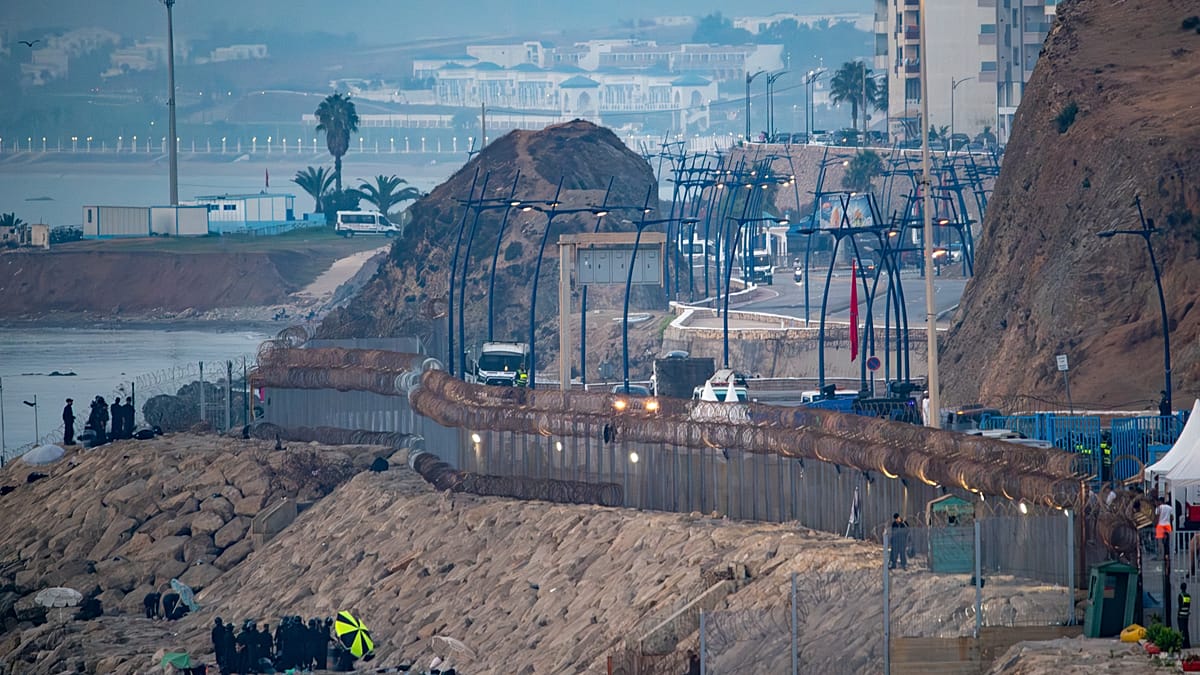
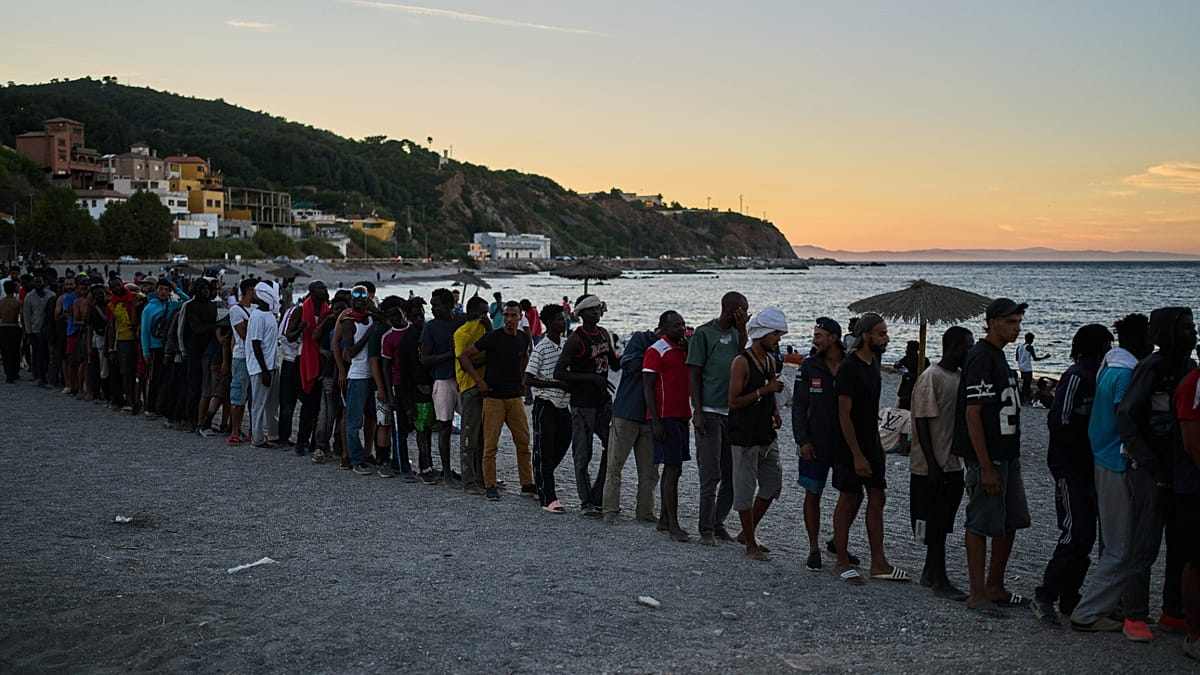
Ceuta, a Spanish territory of roughly 83,000 residents on Morocco's northern coast, saw an estimated 80,000 people enter by swimming or wading across the border during the final two days of July. Around 100 people are reported to have died in the attempt. The Spanish government says about 70,000 have since been returned to Morocco, and it has praised cooperation with Rabat on returns.
The episode exposed deep divisions among EU member states. Italy's government, led by Giorgia Meloni, used the crisis to criticise Spanish Prime Minister Pedro Sánchez's more permissive migration stance, arguing that it undermines EU efforts to project solidarity and unity. The tit-for-tat escalation continues, with both countries imposing exceptional border controls on each other. Italy has said it will suspend the border-free Schengen arrangement with Spain until at least 15 August, citing expectations of a “new wave of migration” hitting Ceuta.
Morocco's Interior Ministry said on Wednesday that it is working to prevent another surge and has increased security along its borders with both Ceuta and Melilla, the second Spanish enclave on the Moroccan coast. Spain's Civil Guard has installed a maritime barrier at Melilla's southern breakwater, similar to the one used off Ceuta's coast.
Online campaign under scrutiny
The precautionary measures respond to reports of a coordinated online campaign calling for another mass crossing on Friday evening. Golden Owl, a digital intelligence firm linked to the University of Alicante, has identified an organised operation behind the calls. Spain's Civil Guard has also produced a six-page report examining the possibility.
Increased vigilance by social platforms appears to have dampened the call. Golden Owl says the “15 August date has effectively disappeared from Facebook, driven by Meta enforcement.” Both TikTok and Meta have activated crisis protocols to cooperate with fact-checkers, following calls from EU tech chief Henna Virkkunen for enhanced monitoring.
The European Commission confirmed it would meet again with social media representatives on Thursday afternoon, adding that it engages with platforms on a “daily basis” to streamline efforts. “Bringing in the fact-checkers will, in our view, make this work even more targeted and even more streamlined and coordinated in the context of this concrete crisis,” a spokesperson explained. “And what we hear is that this cooperation is proving highly effective and action is being taken by the platforms on this basis.”
The situation in Ceuta has also reignited broader debates about migration policy across the continent. As security-first politics increasingly define EU migration policy, the clash between Italy and Spain highlights the deeper rift within the bloc. Meanwhile, Ceuta's local leader has called for a detention centre to manage future arrivals, a proposal that raises questions about the EU's approach to border management.
For now, Brussels insists its priority is protecting the EU's external border at all times, not just on specific dates. But with the memory of July's mass crossing still fresh, and social media calls for another attempt, the pressure on Ceuta—and on European unity—shows no sign of easing.