The European Union has formally approved a €90 billion loan for Ukraine, ending a two-month standoff after Hungary withdrew its veto. The decision, finalised by EU ambassadors on Wednesday and confirmed on Thursday, unlocks a critical financial package for Kyiv as it continues to defend against Russia's full-scale invasion.
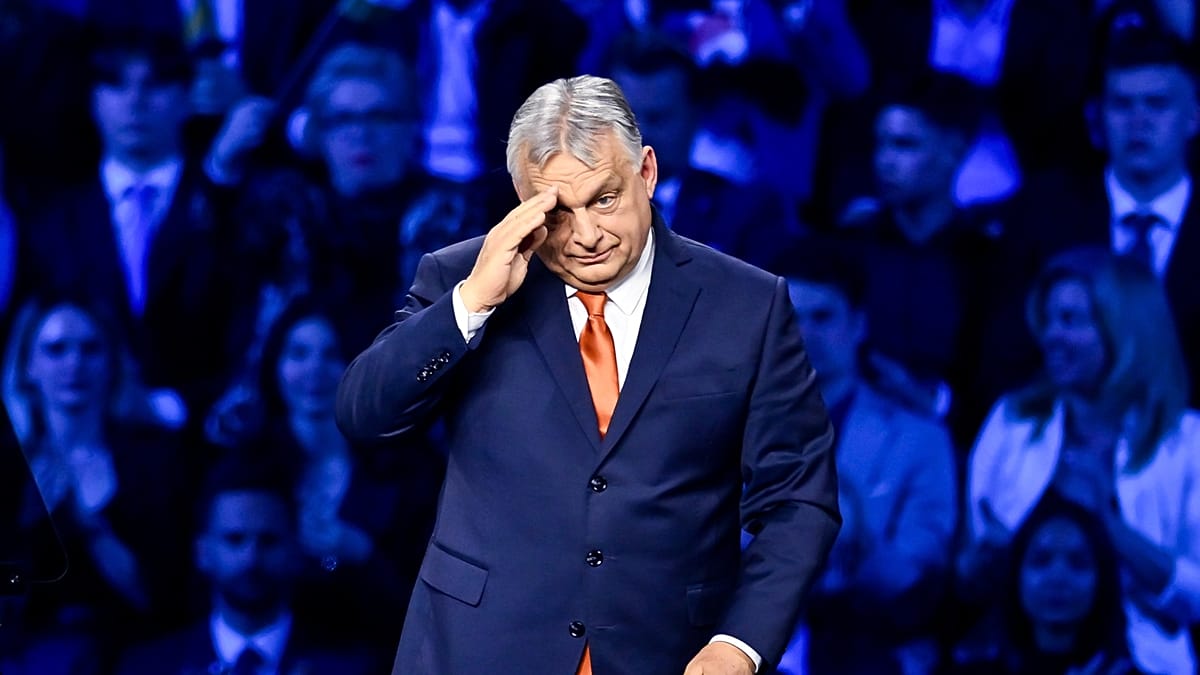
The blockage, imposed by outgoing Hungarian Prime Minister Viktor Orbán in February, had sparked outrage among other EU leaders, who accused Budapest of using the loan as leverage in a bilateral dispute. The veto was lifted after Ukrainian President Volodymyr Zelenskyy announced the repair of the Druzhba pipeline, which carries cheap Russian oil to Hungary and Slovakia. The pipeline's disruption had been at the heart of Orbán's objections.
The political landscape in Hungary shifted dramatically after Orbán's party lost the recent election to opposition leader Péter Magyar, who campaigned on restoring the rule of law. This transition, the first in 16 years, created a window for Cyprus, holder of the EU Council's rotating presidency, to push the loan onto the ambassadors' agenda even before the pipeline repair was confirmed.
Loan Structure and Conditions
The loan is divided into two tranches: €45 billion for 2026 and €45 billion for 2027. The first tranche includes €16.7 billion for financial support and €28.3 billion for military aid, with the latter subject to "Made in Europe" provisions to prioritise European defence manufacturers over US suppliers. The second tranche will cover two-thirds of Ukraine's funding needs, with Western allies expected to cover the remainder.
Payments are conditional on Ukraine's progress on reforms, particularly in anti-corruption efforts. Any reversal could trigger a temporary suspension of assistance. The European Commission, which will manage the scheme, aims to make the first disbursement "as soon as possible," with President Ursula von der Leyen stating: "While Russia doubles down on its aggression, we are doubling down on our support to the brave Ukrainian nation."
Notably, Hungary, Slovakia, and the Czech Republic have opted out of the joint borrowing, leaving the other 24 member states to cover approximately €3 billion in annual interest payments. Ukraine will only be required to repay the loan if Russia agrees to war reparations—a scenario Moscow has categorically ruled out.
Zelenskyy welcomed the decision, writing on X: "This package will strengthen our army, make Ukraine more resilient, and enable us to fulfill our social obligations to Ukrainians." He added that the first tranche could arrive as early as May or June.
The resolution of this impasse marks a significant moment in EU-Ukraine relations, particularly after the earlier moves to release the loan were stalled by Orbán's veto. The episode also underscores the broader shift in Budapest's stance towards Brussels following Péter Magyar's victory, which has opened new avenues for cooperation.
As Ukraine continues to adapt its defence strategies, the EU's commitment to integrating battlefield lessons remains crucial. The loan's military component, with its emphasis on European production, aligns with calls from figures like former Finnish Prime Minister Sanna Marin to integrate Ukraine's battlefield lessons into EU defence strategy.