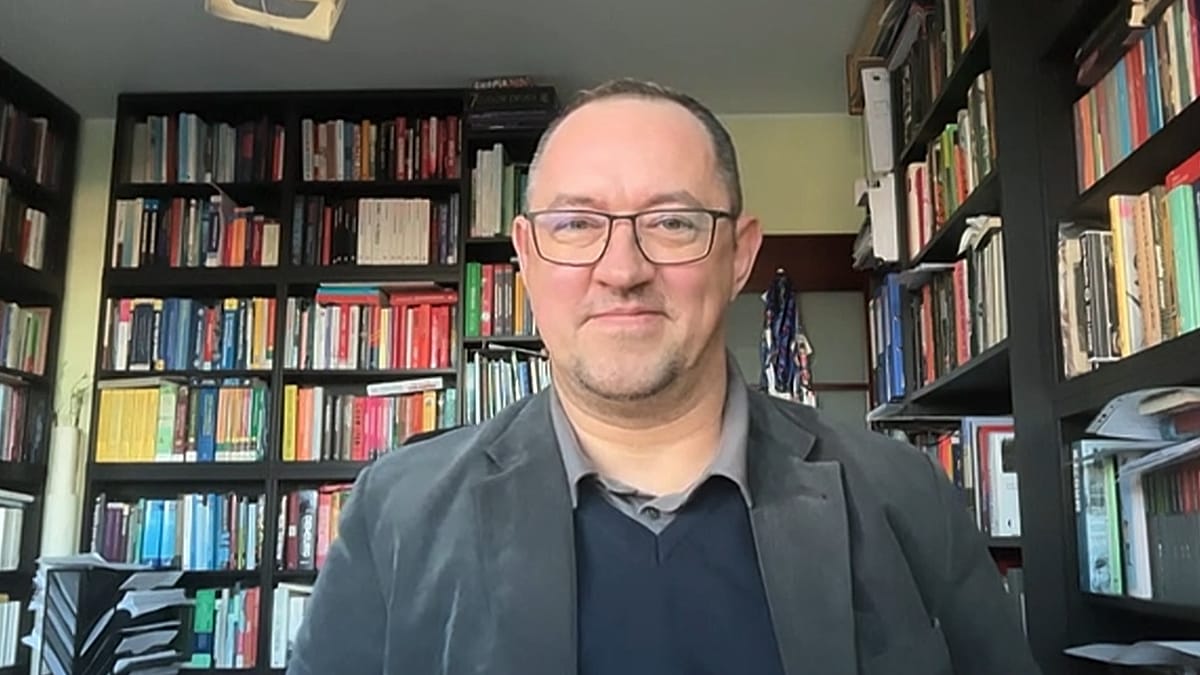
As the European Union grapples with the twin challenges of energy security and climate action, a leading analyst warns that the bloc's internal divisions are undermining its ability to move away from fossil fuels. Szymon Kardaś, an energy expert at the European Council on Foreign Relations (ECFR), argues that the EU lacks both indicative and legally binding targets for phasing out oil, gas, and coal, leaving member states to pursue their own narrow interests.
A fragmented approach to a common challenge
Speaking to European Pulse, Kardaś stressed that the EU's energy policy is often reactive, with governments prioritizing short-term fixes over long-term strategy. "Member states tend to act individually and egoistically when addressing immediate challenges," he said, pointing to the scramble for gas supplies during the recent energy crisis as a prime example. This fragmentation, he argues, undermines the bloc's collective bargaining power and slows the transition to cleaner energy.
The expert's comments come amid ongoing debates over the EU's climate ambitions. While Brussels has set ambitious goals for carbon neutrality by 2050, the path to that target remains contested. Recent discussions at the COP31 summit in Antalya highlighted the tensions, with the EU rejecting a draft that omitted fossil fuel phaseout language. The bloc's insistence on keeping fossil fuels on the agenda reflects its stated commitment, but Kardaś suggests that internal divisions weaken its negotiating stance.
Kardaś's critique echoes broader concerns about the EU's energy governance. The European Commission has proposed measures to accelerate the rollout of renewables and improve energy efficiency, but implementation varies widely across the 27 member states. Countries like Germany and the Netherlands have made significant progress, while others, particularly in Central and Eastern Europe, remain heavily reliant on coal. This disparity, Kardaś argues, calls for a more coordinated approach.
"We need more coordination and a collective approach to accelerate the phase-out of fossil fuels across the bloc," he said. This would involve not only setting clear targets but also ensuring that member states support each other through the transition. For instance, wealthier nations could help fund infrastructure upgrades in less affluent regions, while all countries could align their energy policies to avoid market distortions.
The expert's warnings come as the EU faces pressure from multiple fronts. On one hand, the war in Ukraine has forced the bloc to reduce its dependence on Russian gas, leading to a temporary increase in coal use in some countries. On the other, climate activists and international partners are urging the EU to lead by example. The recent collapse of COP31 talks without a deal on fossil fuels underscores the difficulty of reaching consensus, even among like-minded nations.
Kardaś's critique also resonates with the EU's internal debates on carbon pricing. Eight member states recently pushed back against calls to delay the carbon market's expansion, signaling a desire to maintain momentum on climate policy. However, such resistance is not universal, and the expert warns that without binding targets, the EU's climate goals remain aspirational.
The ECFR analyst suggests that the EU could learn from its own successes, such as the Emissions Trading System, which has been instrumental in reducing emissions from power plants and factories. Extending this model to other sectors, such as transport and buildings, could help create a more cohesive framework. Yet, he cautions that political will is essential.
"The EU has the tools and the resources to lead the global energy transition," Kardaś said. "But it requires member states to act as a union, not as a collection of individual actors." His call for a collective approach is likely to resonate with those who see the EU's strength in its unity, but it also highlights the persistent challenges of reconciling national interests with common goals.
As the bloc prepares for future climate negotiations and implements its Fit for 55 package, the question of how to phase out fossil fuels remains central. Whether the EU can overcome its internal divisions and set clear, binding targets will determine its credibility as a climate leader. For now, Kardaś's warning serves as a reminder that the path to a fossil-free Europe is not just a technical challenge, but a political one.



