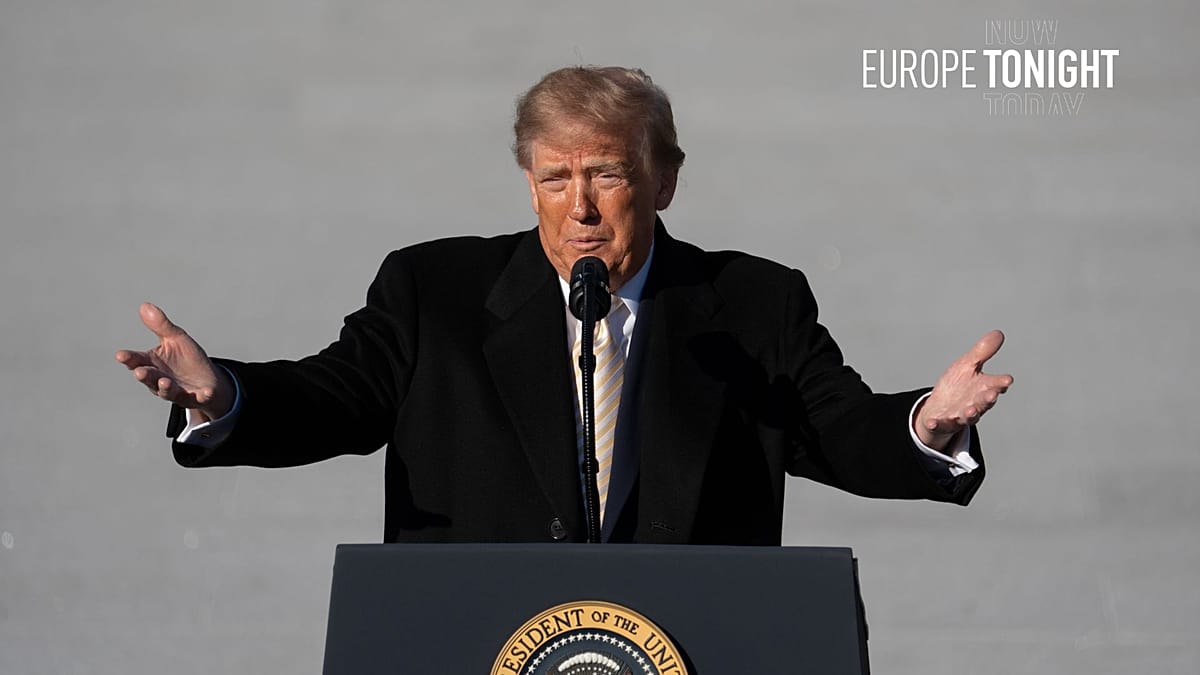
Washington has unveiled a fresh round of tariff proposals aimed at 14 trading partners, including the European Union, China, Japan, and Vietnam. The move follows an eight-month investigation into excess industrial capacity and comes just days after the US Supreme Court struck down earlier, broader tariffs. The proposed rates vary by country, with China facing up to 40% if trade talks fail, while other partners, including the EU, would see lower caps or different rates pending negotiations and public comment.
The announcement has reignited debate across European capitals about the economic impact and the future of transatlantic trade relations. EU officials have repeatedly warned that such measures could trigger retaliation and harm global supply chains. The bloc's trade commissioner has called for dialogue, but the threat of a trade war looms large. For more on the specifics, see the full breakdown of the tariff plan.
NATO's space pledge amid Russian satellite reports
In Berlin, NATO Secretary General Mark Rutte, standing alongside German Chancellor Friedrich Merz, reaffirmed the alliance's commitment to defend against threats in space. This comes after intelligence reports suggested Russia may be preparing to launch a satellite capable of carrying a nuclear weapon within weeks. Rutte stressed that NATO's deterrence and defense posture is being reviewed continuously, and that the alliance is ready to respond to any threat, including those in the space domain.
Moscow has denied the allegations, insisting that its space activities comply with international obligations. Nevertheless, the reports have heightened concerns among European allies, particularly given recent incidents of Russian airspace violations and drone attacks on Ukraine. The Czech Republic has already pledged support to Poland after such violations, and the UK has issued fresh warnings to defense firms about Russian sabotage. The situation underscores the broader security challenges facing the continent.
Serbia's absence at the Brussels summit
At the EU–Western Balkans Summit in Brussels, all eyes were on Serbia's new leadership to clarify its foreign policy direction and EU alignment. However, Parliament Speaker and Acting President Aleksandar Čupić did not attend, citing urgent parliamentary proceedings in Belgrade. His absence left many questions unanswered about Serbia's strategic path, especially as the EU pushes for faster enlargement to counter Russian influence.
Sara el Sarag, representing the Students' List, offered a perspective from civil society, expressing hope that Serbia's youth will push for closer ties with the EU. The summit's outcome was a mixed bag, with some progress on regional cooperation but lingering doubts about Belgrade's commitment. As one analyst put it, "Serbia's absence speaks volumes."
Volleyball diplomacy between Kyiv and Budapest
In a lighter moment, Ukrainian President Volodymyr Zelenskyy and Hungarian Prime Minister Péter Magyar played a friendly volleyball match with students at a Hungarian-language high school in Ukraine's Zakarpattia region. The informal game was a symbolic gesture aimed at thawing relations that have been strained for years over minority rights and other issues.
Sports have long served as an icebreaker in international diplomacy, and this match was no exception. The visit signals a potential shift in bilateral ties, with both leaders expressing a willingness to engage in dialogue. While the road ahead remains challenging, the volleyball court may have provided a starting point for rebuilding trust.