A Deepening Divide on Migration Policy
A contentious new element of the European Union's migration framework has exposed a fundamental rift between political groups in the European Parliament. The policy, approved in late March, permits member states to establish so-called 'return hubs' in third countries. These facilities would host migrants whose asylum claims have been rejected while they await deportation to their countries of origin.
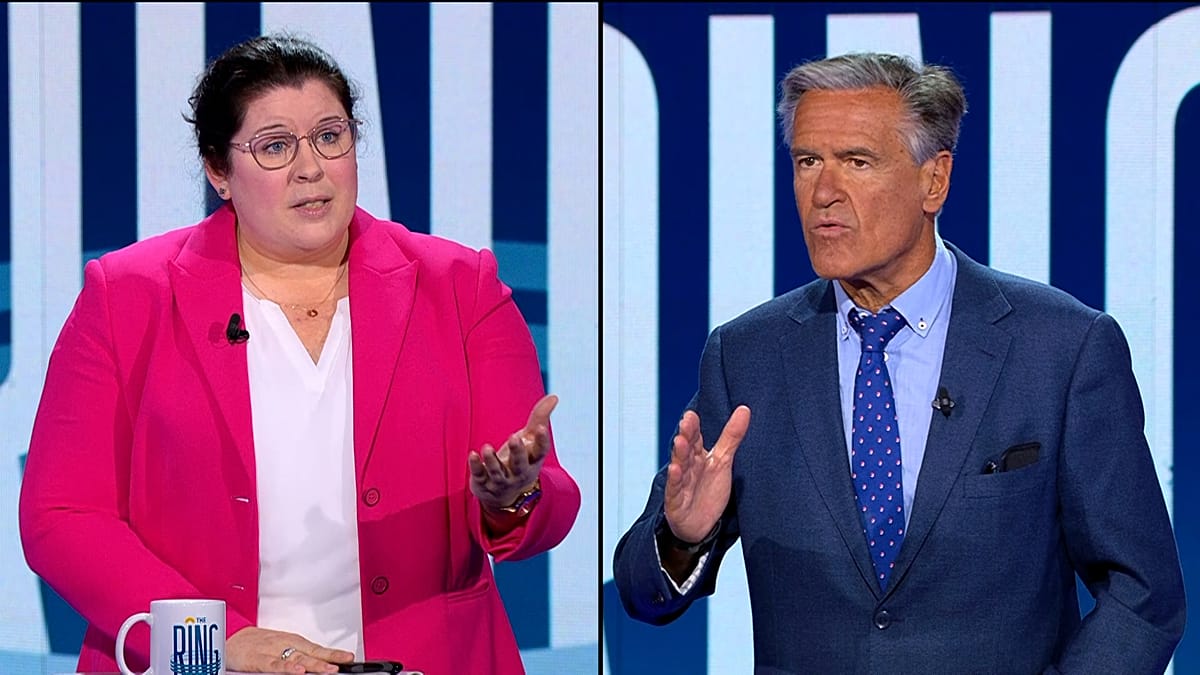
The debate moved from committee rooms to the public forum of The Ring, a programme broadcast from the Parliament in Brussels, where two veteran lawmakers presented starkly opposing views. The discussion underscores how migration remains one of the most polarising issues for the bloc, testing its commitment to human rights against demands for stricter border control.
The Case for External Hubs
German MEP Lena Düpont of the centre-right European People's Party (EPP) argued forcefully for the measure. She described the current return system as broken, with only an estimated one in five individuals ordered to leave the EU actually being deported. "This is the missing piece of the puzzle," Düpont stated, emphasising that the EU has invested heavily in asylum procedures but lacks an effective mechanism to enforce negative decisions.
For Düpont and her allies, externalising part of the return process is a logical step to address a persistent backlog and deter irregular migration. The policy is seen as a way to relieve pressure on national reception systems in countries like Italy, Greece, and Spain, which often handle the initial arrivals.
Fundamental Rights and a 'New Majority'
In stark opposition, Spanish MEP Juan Fernando López Aguilar of the Socialists and Democrats (S&D) group condemned the plan. He warned that creating centres outside EU jurisdiction places migrants "beyond the remit of EU law" and strips them of legal protections guaranteed within the Union. "Return hubs are not the answer—particularly when they are outside the borders of the European Union," he argued, questioning the guarantees for fundamental rights in such facilities.
López Aguilar levelled a significant political accusation, suggesting the centre-right's push for the policy represents a troubling alliance. "There's been a new majority," he said, criticising what he perceives as a shift toward more hardline policies driven by cooperation between the EPP and far-right groups in the Parliament. This alignment, he implied, is reshaping the EU's approach to migration in a more restrictive direction.
The debate occurs against a backdrop of ongoing challenges, from arrivals on Mediterranean routes to the geopolitical implications of conflicts that displace populations. The EU continues to grapple with the legacy of the 2015 migration crisis and seeks a unified system through the recently passed Pact on Migration and Asylum.
As the EU refines its external action, policies in one arena often impact others. For instance, the EU Energy Chief Warns of Prolonged Price Hikes from Middle East Conflict, highlighting how instability abroad can have direct consequences for European stability and policy priorities, including resources for border management.
The Road Ahead
The implementation of the return hubs policy now falls to member states, which must negotiate agreements with third countries—a complex diplomatic task. Potential host nations are likely to demand significant incentives, and the model raises questions about the EU's role in supporting governance and human rights beyond its borders.
This internal EU dispute reflects a broader, global tension between border security and human rights, a theme also visible in other international forums. While focused on a different region, the UN Rights Chief Condemns Singapore's Execution of Drug Offenders illustrates the ongoing international debate over state sovereignty versus universal human rights standards.
The final shape of the return hub system, and whether it can satisfy both the demand for effective returns and the imperative of rights protection, remains to be seen. For now, the heated exchange on The Ring makes clear that the political battle over Europe's borders is far from over.



