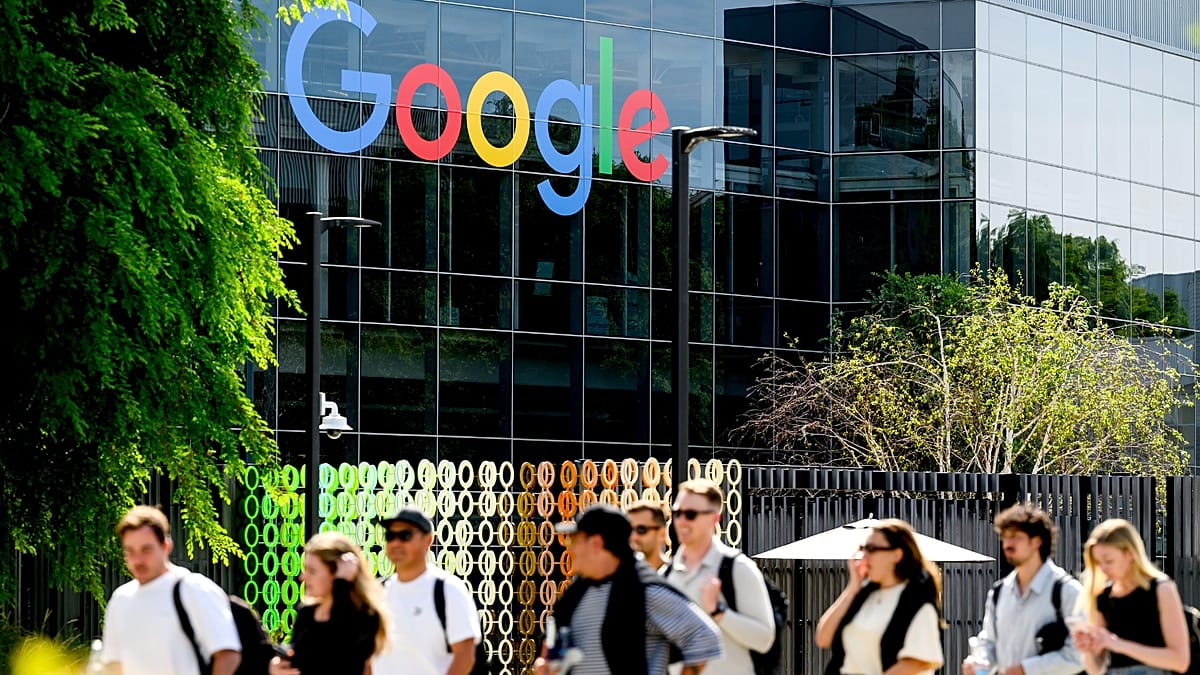
On 28 April, the European Commission released its first formal review of the Digital Markets Act (DMA), concluding that the regulation has opened up new opportunities for businesses and developers while giving users greater control over their digital experiences and devices. The assessment, based on over 450 contributions from an open consultation held between July and November 2025, marks a significant milestone in the EU's effort to rein in the power of the largest online platforms.
The DMA, which entered into force in November 2022, is designed to prevent the largest tech companies from abusing their market dominance. The Commission has designated seven companies—Alphabet, Amazon, Apple, ByteDance, Meta, Microsoft, and Booking—as digital gatekeepers, classifying 23 of their core platform services as gateways that require special oversight. These firms control access between millions of users and the broader digital economy, often imposing unfair conditions on data use and competition.
Parliament Calls for Stronger Enforcement
During its plenary session from 27 to 30 April, the European Parliament voiced support for the DMA's objectives but called for smoother implementation and improved enforcement. Lawmakers expressed concern that external forces are pushing back against the regulation, and they urged the Commission to ensure that the rules are applied consistently across all member states. The Parliament's stance reflects a broader debate in Brussels about how to balance innovation with market fairness.
According to a 2025 Eurostat report, 93 per cent of Europeans used internet platforms in 2024, underscoring the immense influence these companies wield. The DMA imposes a set of ex-ante obligations and prohibitions on gatekeepers, moving beyond traditional competition law that often acts only after harm has occurred. This proactive approach aims to create a level playing field for smaller innovators and new market entrants.
The review comes at a time when the EU is also navigating digital trade tensions with the United States. As our coverage of EU digital talks with the US highlights, Brussels has made clear it will not scrap its tech rules, even as it engages in negotiations. Meanwhile, the rise of Chinese automakers targeting a 30 per cent share of the European market by 2035, as reported in our analysis, adds another layer of complexity to the continent's digital and industrial strategy.
Critics of the DMA warn that companies may comply only procedurally, without genuinely changing their behaviour. The Commission's review acknowledges these concerns and commits to ongoing monitoring. The next steps include refining the criteria for designating gatekeepers and ensuring that the rules keep pace with technological change.
For readers seeking a deeper dive into how the DMA affects specific platforms, the Euronews AI chatbot offers an interactive way to explore the regulation's provisions. The tool allows users to ask questions about obligations, prohibitions, and the impact on services like search engines, app stores, and social media networks.
As the EU continues to assert its regulatory authority in the digital sphere, the DMA stands as a landmark experiment in governing the world's most powerful tech companies. Whether it succeeds in breaking their grip will depend on the resolve of both the Commission and the Parliament to enforce the rules rigorously.