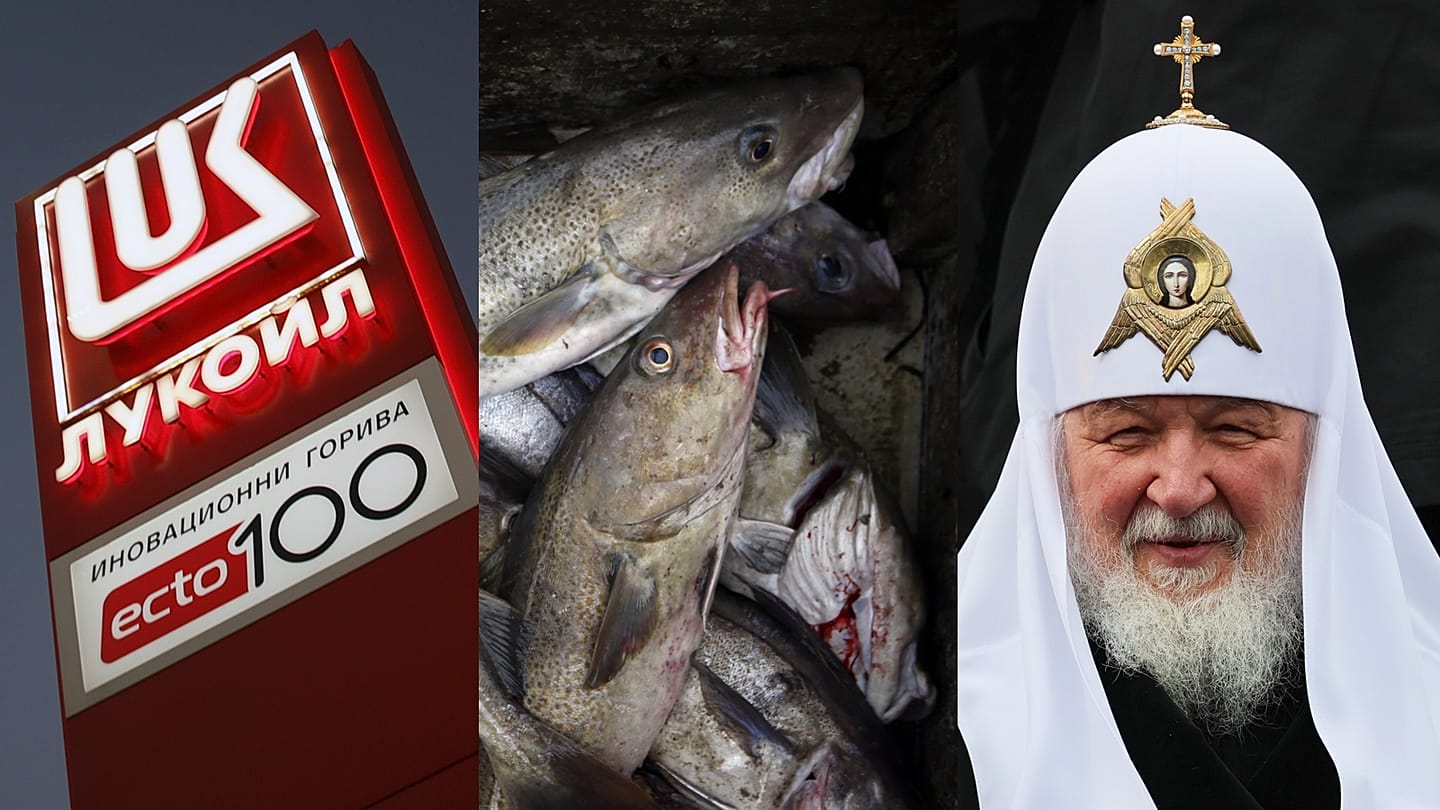
Brussels is racing to finalise a new round of sanctions against Moscow before 15 July, but closed-door negotiations have revealed sharp divisions among member states over three contentious issues: oil product transit, Baltic cod imports, and the inclusion of Russian Orthodox Church leader Patriarch Kirill.
The proposed package, the 14th since Russia's full-scale invasion of Ukraine, is designed to tighten existing measures and close loopholes that have allowed Moscow to circumvent earlier restrictions. However, diplomats from several capitals have raised objections that threaten to delay or dilute the agreement.
Oil product transit and the Czech conundrum
One of the most sensitive points concerns the transit of oil products through the European Union. The European Commission has proposed banning the shipment of Russian oil derivatives via EU territory to third countries, a move aimed at curbing Moscow's revenues. But the Czech Republic, a landlocked country heavily reliant on Russian crude supplied via the Druzhba pipeline, has pushed back, arguing that such a ban would disrupt its energy security.
Prague has requested an exemption until the end of 2024, citing the need to secure alternative supplies. This has drawn criticism from Baltic states and Poland, who insist that any delay undermines the bloc's credibility. The dispute echoes earlier battles over the Bulgarian pushback on previous sanctions, where Sofia secured opt-outs for its oil refineries.
Cod wars: Baltic fisheries caught in the crossfire
A second flashpoint involves a proposed ban on imports of cod and other whitefish caught by Russian vessels in the Baltic Sea. The measure is intended to hit Russia's fishing industry, which has seen increased activity in EU waters since the war began. However, several member states, including Spain and Portugal, have expressed concern that the ban could backfire by raising prices for European consumers and damaging their own fishing fleets.
Spanish officials have argued that the ban should be limited to fish landed directly from Russian trawlers, rather than processed products that enter the EU via third countries. The debate has exposed the complexity of untangling supply chains that have intertwined Russian and European interests for decades.
Patriarch Kirill: a symbolic target with legal hurdles
The most politically charged issue is the proposed listing of Patriarch Kirill, the head of the Russian Orthodox Church and a vocal supporter of the Kremlin's war in Ukraine. Several EU governments, led by the Baltic states and Poland, have pushed for his inclusion on the sanctions list, accusing him of spreading propaganda and legitimising the invasion.
But Hungary and Slovakia have blocked the move, arguing that targeting a religious leader sets a dangerous precedent and could inflame tensions with Orthodox communities in their own countries. Legal experts have also warned that the listing could be challenged in European courts, as it requires proof of direct involvement in actions that undermine Ukraine's territorial integrity. The impasse recalls earlier legal objections raised by France and Italy against a proposed ban on Russian combatants.
Shadow fleet and enforcement gaps
Beyond these three friction points, the package includes measures to target Russia's so-called "shadow fleet" of tankers that transport oil and gas under opaque ownership structures. The EU aims to impose port entry bans and insurance restrictions on vessels suspected of evading the price cap. French President Emmanuel Macron recently announced that the French navy had intercepted a shadow fleet tanker off Sicily, underscoring the bloc's determination to enforce existing rules.
However, enforcement remains patchy. A recent fact-check revealed that a viral drone interception video actually showed a Russian Yolka system, highlighting the information war that accompanies the economic one.
Outlook: a race against time
With the 15 July deadline looming, EU ambassadors are expected to hold intensive talks in the coming days. Diplomats say that a compromise may involve splitting the package into two parts: one with uncontested measures that can be adopted quickly, and another with the disputed items left for later negotiation. But critics warn that such a strategy would signal weakness and give Moscow time to adapt.
The stakes are high. Ukraine has launched a 40-day campaign to force Russia to negotiate, and Kyiv is watching Brussels closely for signs of resolve. As one EU diplomat put it: "Every delay, every exemption, every loophole is a gift to the Kremlin."