Brussels is poised to unlock a €90 billion loan for Ukraine after Hungary dropped its months-long veto, a breakthrough that restores a measure of unity to the bloc's collective decision-making. The 27 EU ambassadors are expected to launch a written procedure on Wednesday to finalise the loan, which had been stalled since December.
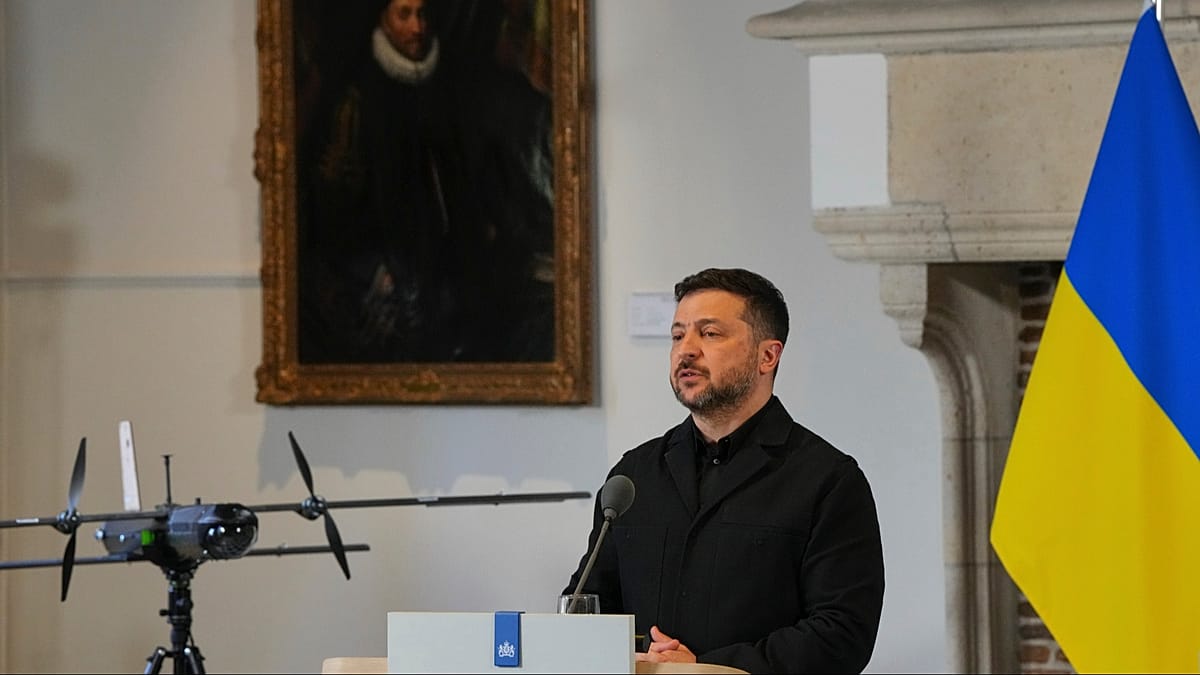
The logjam was broken after Ukrainian President Volodymyr Zelenskyy announced on Tuesday that the Druzhba pipeline, which carries discounted Russian oil to Hungary and Slovakia, had been repaired and could resume operations. The pipeline had been damaged by Russian strikes. “The EU asked Ukraine to repair the Druzhba oil pipeline, which had been destroyed by Russia. We have repaired it. We hope the EU will also deliver on the agreed commitments,” Zelenskyy said in his evening address.
EU foreign policy chief Kaja Kallas expressed cautious optimism. “I don't want to jinx it. I hope everything goes well, because we have seen some turns in this file,” she said on Tuesday. “Resuming (flows) is a promise that Ukraine made, so hopefully, all the obstacles are removed.”
Sanctions Package Also Unblocked
The restoration of the Druzhba pipeline also clears the way for the adoption of a new package of sanctions against Russia, which has been pending since early February. However, that vote may not happen immediately, as there remains a dispute over a proposed ban on maritime services for Russian tankers. Malta and Greece, both countries with significant shipping interests, want the full ban to be contingent on a G7-level agreement. But a G7 consensus may prove elusive, as the United States is likely to veto such a move.
European Commissioner for the Economy Valdis Dombrovskis told Euronews that the bloc should be prepared to act independently. “We should not be making ourselves dependent on this. We should not put ourselves in a situation where if there's no G7 agreement, we are not able to act ourselves,” he said. “In this case, we need to act as the EU and sustain and increase this sanctions pressure on Russia.”
The loan and sanctions developments come amid a broader recalibration of EU policy toward Ukraine. As we reported earlier, Zelenskyy has rejected symbolic EU membership and demanded full integration, signalling Kyiv's impatience with gradualist approaches.
ECJ Rules Against Hungary's Anti-LGBTQ+ Law
In a separate but related development, the European Court of Justice ruled on Tuesday that Hungary's 2021 Child Protection Law unlawfully discriminates against the LGBTQ+ community. This marks the first time a member state has been found in violation of the EU's fundamental values charter. The ruling adds to the growing legal pressure on Budapest, which has also been accused of undermining democratic norms.
Luxembourgish Foreign Minister Xavier Bettel, who is openly gay, commented on Orbán's policies in an interview with Euronews. “Being gay is not a choice, but being homophobic is a choice. Doing politics by blaming someone reminds me, seriously, how it started also with Jewish people, Gypsies, etc.”
Energy Relief Measures for European Households
Meanwhile, the European Commission is set to unveil a broad set of social measures aimed at cushioning households and businesses from high energy prices, which have been exacerbated by global market turmoil linked to the war against Iran. Energy Commissioner Dan Jørgensen and Vice-President for Clean, Just and Competitive Transition Teresa Ribera will present the package on Wednesday.
According to a draft document seen by Euronews, the Commission will propose targeted financial support such as energy vouchers, income aid, and social tariffs for vulnerable groups, alongside temporary bans on disconnections. It will also recommend tax reductions on electricity and clean technologies, while encouraging consumers to lower bills over time through subsidies for heat pumps, solar panels, and home insulation.
The energy crisis has also prompted discussions about structural reforms. As experts have noted in our analysis of the EU's AccelerateEU plan, there is a growing need to shift from crisis response to long-term structural change.
NATO and European Defence Under Scrutiny
In the Middle East, the situation remains volatile. US President Donald Trump announced an indefinite extension of the ceasefire with Iran, but both sides have warned they are prepared to resume fighting if no deal is reached. Trump also criticised European efforts in Iran and called NATO a “paper tiger.”
Former Finnish Prime Minister Sanna Marin, who led Finland into NATO, defended the decision in an interview with Euronews. “I'm very glad and I still support our decision to join NATO,” she said. “At the same time, we have to understand and realise that NATO is a different organisation now than it was when Finland and Sweden joined.” She added: “We need to focus on our own game. We cannot anymore rely on the US presence and capabilities, we have to build our own.”
The EU's foreign ministers also rejected calls to suspend preferential trade with Israel over allegations of war crimes in Gaza, highlighting persistent divisions within the bloc. However, Kallas said further discussions would take place, including a proposal by France and Sweden to impose tariffs on goods from Israeli settlements in the occupied Palestinian territories. “We cannot lose sight of Gaza and the West Bank,” she told journalists.
As the EU navigates these multiple crises, the unblocking of the Ukraine loan represents a rare moment of consensus. But the underlying tensions—over energy, defence, and the rule of law—remain unresolved.



