As global environmental talks on biodiversity and climate intensify, a third front is opening in the fight against plastic pollution. European Union governments are currently locked in difficult negotiations over a pioneering law to curb the release of microplastics, exposing deep divisions just weeks before critical United Nations treaty discussions begin.
A Pervasive and Growing Threat
Scientists are delivering increasingly stark warnings about the omnipresence of microplastics—particles smaller than 5mm that are either manufactured at that size or result from the breakdown of larger plastics. "The more we know, the worse the situation appears," said Winnie Lau, a researcher with the Pew Charitable Trusts, at a recent European Commission forum hosted with the Hungarian EU presidency. Lau presented data estimating that a staggering 11.4 million metric tons of microplastics entered the environment in 2019. "To give you a sense of scale, 11.4 million metric tons is equivalent to a fully loaded shipping container of microbeads entering the environment every two minutes," she stated.
The primary sources are vehicle tyres and paint, followed by mechanical recycling, raw plastic pellets (known as nurdles), textiles, and particles intentionally added to products like cosmetics and cleaners. Richard Thompson, the academic who first coined the term 'microplastics' in 2004, recently published a review of two decades of research. "What the science is now showing us is that microplastic pollution is literally everywhere, from our highest mountains to our deepest oceans," Thompson said. "And, of course, they're also present in all of the species across the planet as well."
EU Negotiations Hit a Roadblock
The European Union has positioned itself as a leader in tackling plastic waste, having banned single-use items like cutlery and straws and begun phasing out intentionally added microplastics in products such as artificial turf infill. The current negotiations focus on the unintentional release of microplastics, specifically targeting the loss of industrial plastic pellets. However, progress stalled this week when a compromise proposal from the Hungarian presidency failed to gain consensus.
The core disagreement centres on whether the regulation should cover maritime transport of these pellets. A proposal seen by Euronews would exclude seaborne cargo from the system of controls and penalties. Several member states, including Germany, Greece, Italy, and Poland, oppose inclusion, arguing the issue should be handled by the UN's International Maritime Organization instead of EU law.
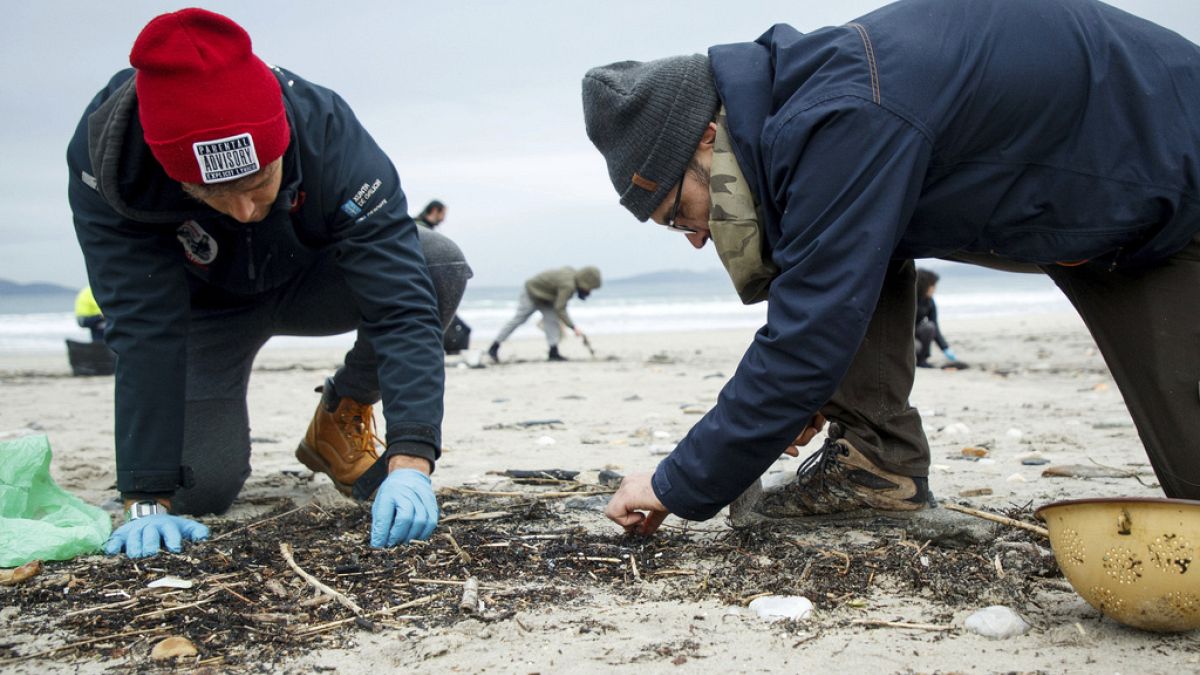
This stance has drawn sharp criticism from environmental groups, particularly in light of a major spill in December where millions of plastic pellets washed up on beaches in Galicia, Spain. "The environmental disaster in Galicia, caused by the loss at sea of containers of pellets, underlined the urgent need to incorporate maritime transport into the regulation," said Lucie Padovani, European policy officer on plastic pollution for the NGO Surfrider. The European Parliament has already agreed that shipping should be covered.
The European Commission acknowledges the problem. Mikhel Krusberg, a policy officer at the Commission's environment directorate, noted, "Obviously there is, especially with the latest accidents in EU waters, a need for action." The lengthy transition periods of up to 12 years for some product categories in existing rules underscore the challenging balance between environmental urgency and industrial adaptation.
A Global Treaty on the Horizon
These internal EU debates are a prelude to a far larger diplomatic effort. Negotiators from nearly 200 countries will convene in Busan, South Korea, on 25 November for the fifth session of the Intergovernmental Negotiating Committee (INC-5), aiming to finalise a landmark international treaty on plastic pollution. The EU's ability to present a united front and a robust regulatory model could significantly influence the global outcome.
Richard Thompson emphasised the need for a science-led approach in these talks. "It's going to be really essential to take a whole systems approach," he said. "But that needs to be also guided by independent scientific evidence – evidence that’s not in some way compromised by conflicts of interest from industrial commercial gain." The pervasive nature of the pollution, affecting ecosystems from the Alps to the Baltic Sea, makes coordinated action imperative.
The issue of environmental accountability is gaining traction across European policy, much like the debates surrounding maritime missions in conflict zones or regional preparedness for natural disasters, as seen with France's developing tsunami alert system. Meanwhile, the bloc continues to grapple with how to regulate new technologies and their societal impacts, a parallel challenge evident in moves like national social media bans ahead of EU-wide digital rules.
The coming weeks will test whether Europe's twenty-seven member states can overcome their differences on microplastics. Their success or failure will not only determine the strength of a key EU environmental law but will also signal the bloc's readiness to lead in the decisive global negotiations set to begin in South Korea.