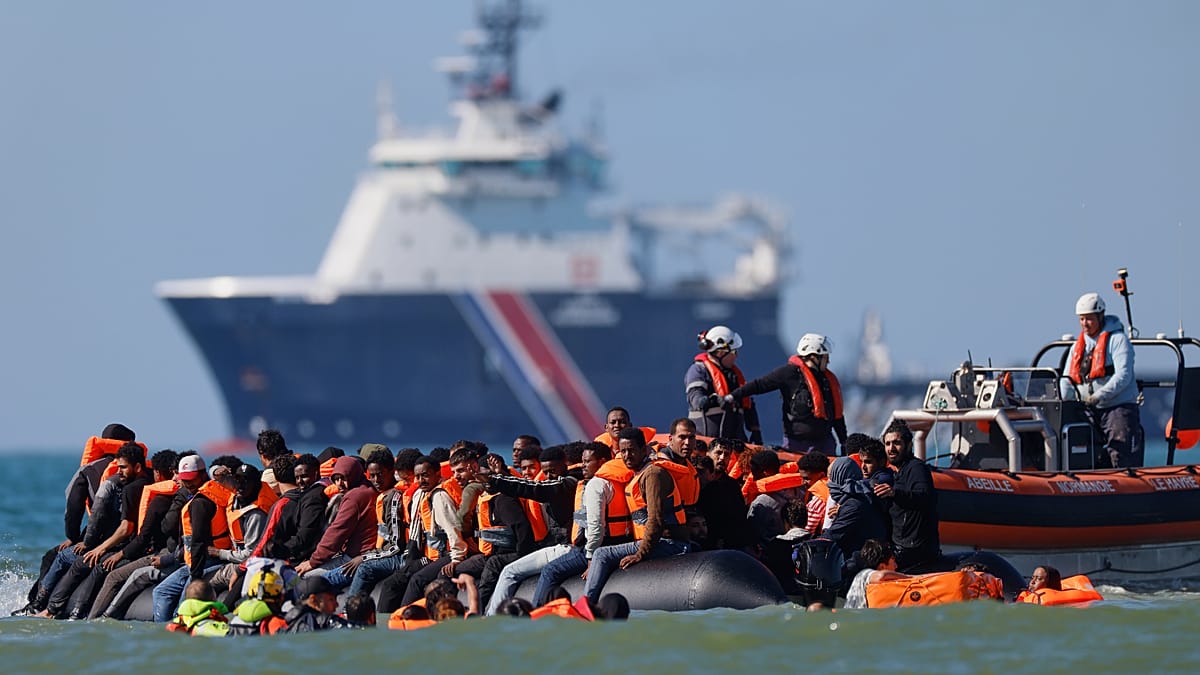
Migration policy is shifting decisively toward enforcement across the European Union. At last week's Justice and Home Affairs Council in Luxembourg, ministers agreed to accelerate returns of irregular migrants, expand border surveillance, and give Frontex a more operational role. The moves follow the Munich Migration Meeting on 26 September, where several interior ministers called for faster deportations and tougher external border controls.
New return rules approved
On 1 October, the Council gave its final approval to a new regulation aimed at making returns more effective for people without the legal right to stay in the EU. The rules, which will enter into force in the coming weeks, complement the Pact on Migration and Asylum and are designed to close loopholes that have allowed many rejected asylum seekers to remain in the bloc. The regulation introduces a common EU return order, clearer obligations to cooperate, and stricter measures against those who evade removal.
Commissioner Magnus Brunner, responsible for migration, presented plans to strengthen Frontex and step up the use of drones and other surveillance technology. An additional €130 million will be allocated on top of the EU's existing €250 million drone action plan, funding expanded border monitoring and infrastructure protection. Brunner argued that these tools are essential to prevent irregular crossings before they reach EU territory.
Diplomacy with origin and transit countries
Beyond enforcement, the EU is deepening its migration diplomacy with key countries of origin and transit, including Bangladesh, Pakistan, Gulf states, Egypt, Libya, and Morocco. The aim is to address migration routes upstream, reducing the pressure on European borders. Leaders agreed to pursue closer cooperation with Morocco, which has become a central partner in managing migration flows across the western Mediterranean.
The new approach reflects a broader political consensus that the EU must be more proactive in managing migration. As Greece has proposed suspending asylum rights during surges, the debate over how to balance security and humanitarian obligations is intensifying. Some member states, particularly those on the front line, argue that faster returns and stronger border controls are essential to maintain public support for the asylum system.
However, human rights groups warn that the emphasis on deterrence may undermine legal protections. They point to the risk of collective expulsions and the difficulty of ensuring that returns are conducted in accordance with international law. The European Parliament will scrutinize the new rules, and legal challenges are likely.
The EU's migration policy is also being shaped by external pressures. The US NATO envoy's 'America First' stance could affect transatlantic cooperation on migration, while Italy's recent fire season highlights the broader climate-related challenges that can drive displacement. The EU is trying to build a comprehensive approach that links security, development, and climate resilience.
As the new rules take effect, the question remains whether the EU can implement them effectively and humanely. The bloc's 27 member states have differing capacities and priorities, and the balance between solidarity and responsibility is fragile. The coming months will test whether the EU can deliver on its promises of faster returns while upholding its values.
What do you think? Is the EU handling migration effectively? Share your views in our poll below.