Behind Europe's bureaucratic machinery sits a vast insurance policy for a rainy day: millions of tonnes of crude oil, diesel and other fuels held in reserve for a major supply crisis. But as governments prepare to tap those emergency stocks again, who actually holds the keys? Can Brussels order oil onto the market, or does the decision lie with national capitals?
The answer involves a complicated mix of EU rules, national sovereignty and international coordination. The European Commission sets the rules and monitors whether countries are keeping enough oil in reserve. But the stocks themselves remain under national control, while major international releases are coordinated through the Paris-based International Energy Agency (IEA).
"The decision to release and the organisation to release is with the IEA. We stand ready to convene an oil coordination group or, as needed, an EU energy security task force meeting to further coordinate amongst us and assess the situation further," a Commission spokesperson told reporters on Monday.
The comments followed the G7's announcement that 100 million barrels of oil are expected to be released over the next four months, with diesel stocks frontloaded to help curb soaring prices and fears of supply disruptions. Exactly how much diesel and crude oil will be released remains unclear. Ahead of the official announcement, EU diplomats told Euronews the release would be evenly split between the two. The IEA did not reply to a Euronews request for comment before publication.
The 90-day shield
So how much oil does Europe actually keep for an emergency? Under EU rules, every member state must maintain emergency stocks equivalent to at least 90 days of net imports or 61 days of domestic consumption. But there is no giant European oil reserve sitting somewhere under the control of Brussels. Instead, the stocks are held nationally, either directly by governments, through specialised national stockholding agencies or as mandatory reserves held by industry.
Their distribution creates some important centres of gravity. Of the EU's roughly 39 million metric tonnes of emergency gasoil and diesel – equivalent to around 290 million barrels – France and Germany account for about 35%. Smaller countries, including Belgium and Malta, also keep some of their emergency stocks in France and Germany. That raises another question: if the oil is stored in one country but belongs to another, who gets to turn on the taps?
Ultimately, the crucial decisions remain in national capitals. Brussels can set the rules, monitor stocks and coordinate governments, but the Commission cannot simply order millions of barrels onto the market. The reserves remain under national control, meaning governments decide when their stocks are released and how their contribution is made.
IEA to the rescue
A single country releasing oil may do little to calm a global supply crisis. That is where the IEA comes in. The Paris-based agency coordinates emergency releases among its member countries, allowing governments to put large volumes of oil onto the market at roughly the same time.
"It's for the IEA to manage the prices and then for the member states participating in a possible release to determine a level of transparency when it comes to concrete products subject to the release," the Commission spokesperson said. If a supply shock is severe enough, the IEA's governing board can agree a coordinated collective action, with its 32 member countries contributing to the emergency response.
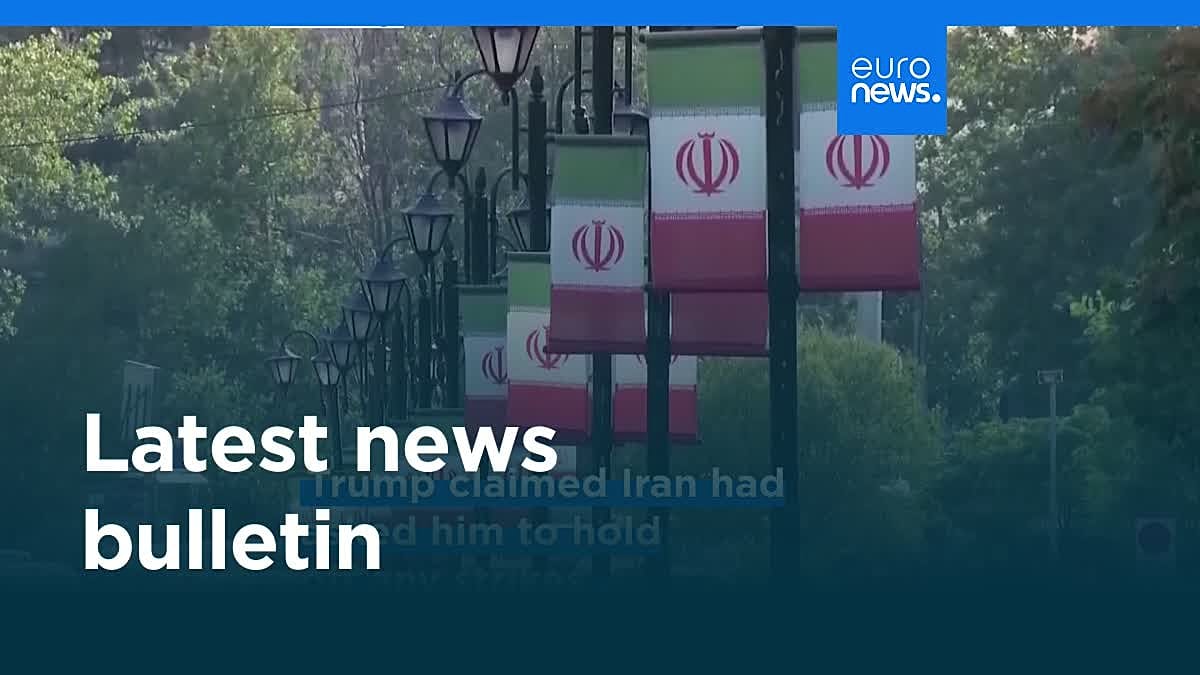
The mechanism has already been triggered twice since the US and Israel attacked Iran on February 28, putting emergency reserves – normally an obscure corner of energy policy – at the centre of governments' efforts to contain the fallout from the conflict. In March, European countries contributed 107.5 million barrels to a 400-million-barrel IEA emergency release – around a quarter of the total, according to IEA data. Of those, 32.7 million came from state-owned emergency stocks, with the remainder drawn from mandatory industry stocks. The Americas contributed 195.8 million barrels and the Asia-Pacific region 108.6 million barrels.
The next question is how Europe will deliver its share. A meeting bringing together the Commission, EU governments and oil industry representatives, originally due on October 15, will "likely be early next week", an EU official said on condition of anonymity. As the continent braces for potential supply disruptions, the interplay between Brussels, national capitals and the IEA will determine how effectively Europe can respond. For more on the mechanics of these releases, see our analysis of the diesel release and the EU's emergency energy talks.