As the first day of September draws to a close, European affairs are marked by a mix of diplomatic manoeuvres, economic signals, and environmental concerns. From the corridors of the Élysée to the banks of the Spree, here is what you need to know.
Trade and tariffs: a delicate balance
In Brussels, EU trade commissioners huddled with counterparts from Washington to iron out lingering disputes over steel and aluminium tariffs. The talks, described as "constructive" by insiders, aim to prevent a transatlantic trade war that could disrupt supply chains just as the bloc's economy shows signs of recovery. Meanwhile, in Berlin, the Bundestag debated a new fiscal package designed to boost green investments, with Chancellor Olaf Scholz urging lawmakers to back the plan as a cornerstone of Germany's transition to a carbon-neutral economy.
Climate and environment: September deadlines loom
With the Mediterranean heat fueling flash-flood risks, southern European nations are on high alert. Meteorologists warn that unusually warm sea surface temperatures could trigger sudden downpours, particularly in coastal areas of Spain, Italy, and Greece. Local authorities have activated emergency protocols, and residents are advised to stay informed. This comes as EU capitals face a September deadline to fund nature restoration plans, a key pillar of the bloc's biodiversity strategy. Several member states, including Poland and Hungary, have yet to submit their financial commitments, raising concerns about implementation delays.
Security and diplomacy: Ukraine in focus
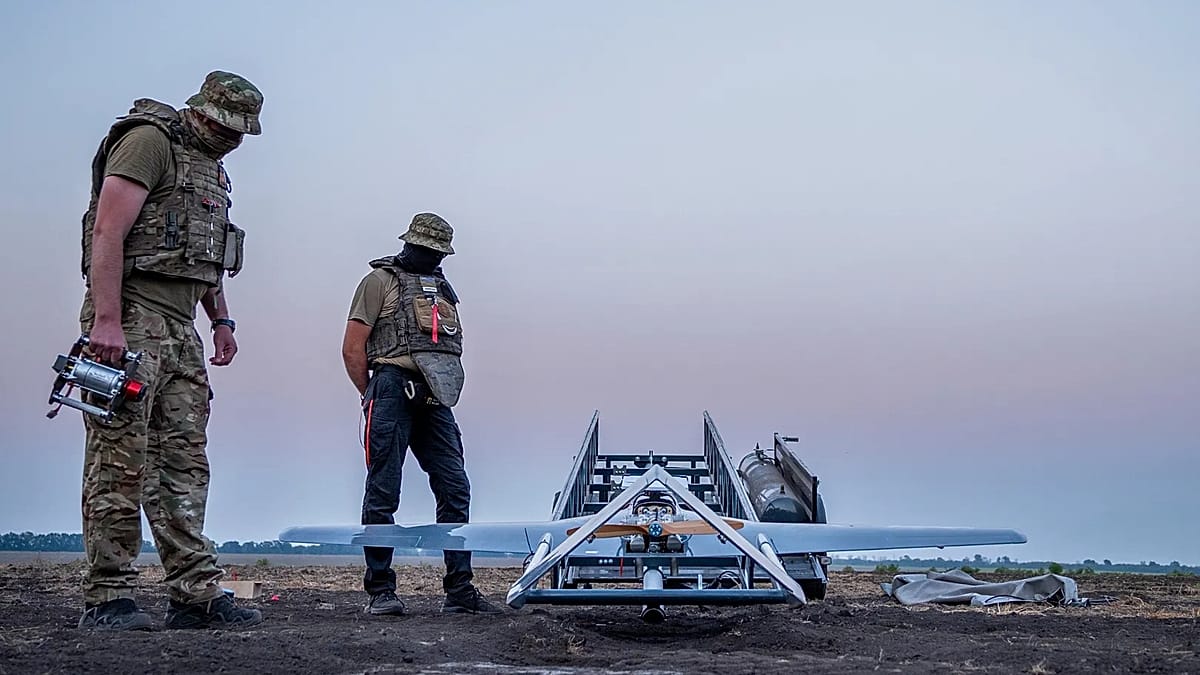
In London, UK officials confirmed that Greater Manchester Mayor Andy Burnham will travel to Washington later this month to press the Trump administration on continued aid for Ukraine. Burnham, who has been vocal on foreign policy, aims to highlight the humanitarian and strategic stakes. His trip underscores the ongoing diplomatic efforts by European leaders to maintain transatlantic unity on the conflict. Meanwhile, in Kyiv, President Volodymyr Zelenskyy met with EU ambassadors to discuss the bloc's next tranche of financial support, emphasizing the need for predictable funding through 2027.
Business and technology: innovation on the horizon
In the tech sector, anticipation builds ahead of Apple's expected unveiling of its foldable iPhone Ultra on September 9. European markets are watching closely, as the device could boost demand for components from suppliers in Germany and the Netherlands. Analysts note that a successful launch might also spur competition among EU-based smartphone makers, potentially reshaping the market landscape. Elsewhere, the European Central Bank signalled it would maintain its current interest rate trajectory, citing moderate inflation and resilient labour markets across the eurozone.
Travel and mobility: new rules take effect
For travellers, September brings significant changes. Thailand has halved visa-free stays for EU travellers, reducing the period from 60 to 30 days. The move, aimed at managing tourism flows, has prompted mixed reactions among holidaymakers and business travellers. Closer to home, a passport rule change reshapes Britain-Ireland ferry travel, requiring passengers to present valid passports even on short crossings. The new regulations, introduced to tighten border security, have led to longer queues at ports like Holyhead and Dublin, with ferry operators advising travellers to arrive earlier.
Looking ahead
As the evening unfolds, European leaders are preparing for a busy month of summits and negotiations. From the UN General Assembly in New York to the EU's own agenda on migration and enlargement, the coming weeks promise to be pivotal. For now, the continent watches, waits, and adapts to a rapidly changing world.