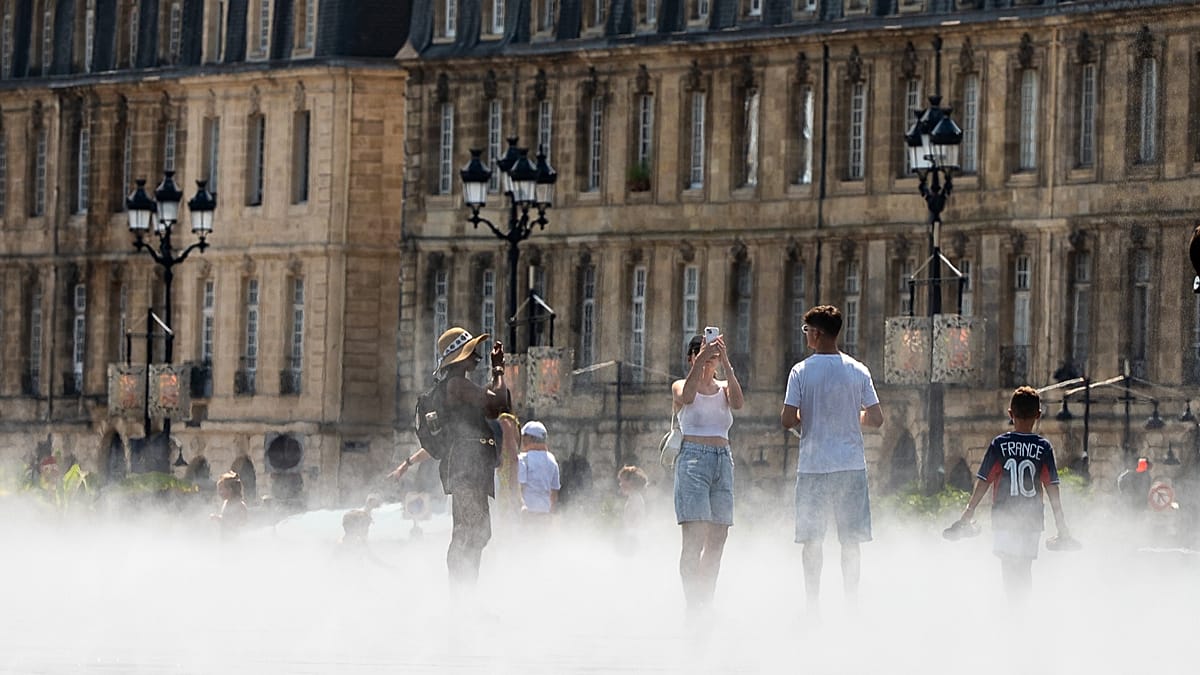
Europe is in the grip of another severe heatwave, with temperatures soaring across the continent and millions of people enduring extreme conditions. On Thursday, more than 135 million residents were forecast to experience temperatures above 35°C, with parts of France exceeding 42°C and the UK recording its hottest day of the year.
The heatwave is the latest in a series of extreme weather events that scientists attribute to human-caused climate change. Europe is the fastest-warming continent, and many regions are ill-prepared for such prolonged heat, which has already contributed to thousands of deaths this summer.
France and Italy bear the brunt
In France, Météo-France recorded 42.5°C in Châteaumeillant, the country's highest reading on Thursday. Paris hit 38°C, and much of the nation remained under a heatwave alert. The extreme temperatures have raised concerns about public health, particularly for the elderly and those with pre-existing conditions.
Italy is also suffering, with forecasts of similar temperatures affecting around 29 million people, especially along the west coast, the Po Valley, the south, and the islands. The heat has put additional strain on the country's infrastructure and agriculture, with reports of Parmigiano cheese banks struggling to cope with the heat.
Iberian Peninsula and UK swelter
Large parts of the Iberian Peninsula are also experiencing extreme heat, with Spain's Aemet weather agency recording 37°C in central regions. Around 25 million people in Spain are affected, and the heat has exacerbated drought conditions that have been building for months.
In the UK, temperatures reached 36°C or higher in 40 locations across central and southern England. The Met Office said the country is on track to record its hottest ever summer. The heat has also sparked wildfires, with crews in the West Midlands battling blazes that damaged homes amid drought conditions.
The heatwave has fueled wildfires across Europe. In northern Greece, hundreds of tourists were evacuated by boat as a forest fire threatened two popular resorts. The fires are a stark reminder of the repeated heatwaves straining water, health, and the economy across Western Europe.
Data and analysis
The figures come from an analysis by AFP, which cross-referenced population density with weather forecast models from the Deutscher Wetterdienst (DWD), Germany's national meteorological service. The analysis, similar to that used by the Austrian NGO Klimadashboard, counted residents if the model forecast temperatures above 30°C or 35°C at their location during the day.
David Jablonski of Klimadashboard noted that the model's resolution of approximately 6.5 kilometers does not fully capture urban heat-island effects, meaning cities are likely even hotter than the data suggests. This is a critical gap, as urban areas are often the most vulnerable to heat-related health issues.
The heatwave has also prompted calls for action from tourist guides and local authorities, who are demanding better protection for visitors and workers as heatwaves turn deadly. The situation is a stark reminder of the urgent need to address climate change and adapt to a warmer world.
As Europe swelters, the focus is on immediate relief and long-term resilience. The heatwave is a test of the continent's ability to cope with extreme weather, and the coming days will be critical for millions of people.