Europe is in the grip of its most intense heatwave on record, with temperatures exceeding 41°C in parts of Germany and the Czech Republic, and the death toll surpassing 1,300. The heat is now shifting eastward, threatening the Balkans and Ukraine, where the war-damaged power grid is already under severe strain.
What is driving the extreme heat?
Meteorologists attribute the prolonged heat to an 'omega block' — a weather pattern that traps hot, dry air from North Africa over a region, with low-pressure systems on either side preventing its movement. This has pushed temperatures up to 18°C above seasonal averages. Europe is particularly vulnerable: only about 20% of homes have air conditioning, and much of the housing stock was designed to retain heat. This is the second major heatwave in two months, following an earlier event in late May that also caused fatalities.
The World Weather Attribution group has stated that such extreme heat this early in summer would have been 'virtually impossible' without climate change. WHO Director-General Tedros Adhanom Ghebreyesus noted that Europe is the fastest-warming continent, heating at twice the global average.
Record temperatures across central Europe
Over the weekend, several countries set new all-time highs. In the Czech Republic, the town of Doksany recorded 41.9°C, the highest ever measured in the country. Germany saw 41.7°C at Coschen near the Polish border, breaking a record set just 24 hours earlier; the overnight low in Kubschuetz did not drop below 29.4°C, the warmest night in nearly 150 years. Poland's western town of Slubice hit 40.5°C, surpassing a century-old record. In Spain, the municipality of Tama in Cantabria reached 43.7°C, a regional all-time high. June records also fell in the United Kingdom and Switzerland.
Government responses and public health measures
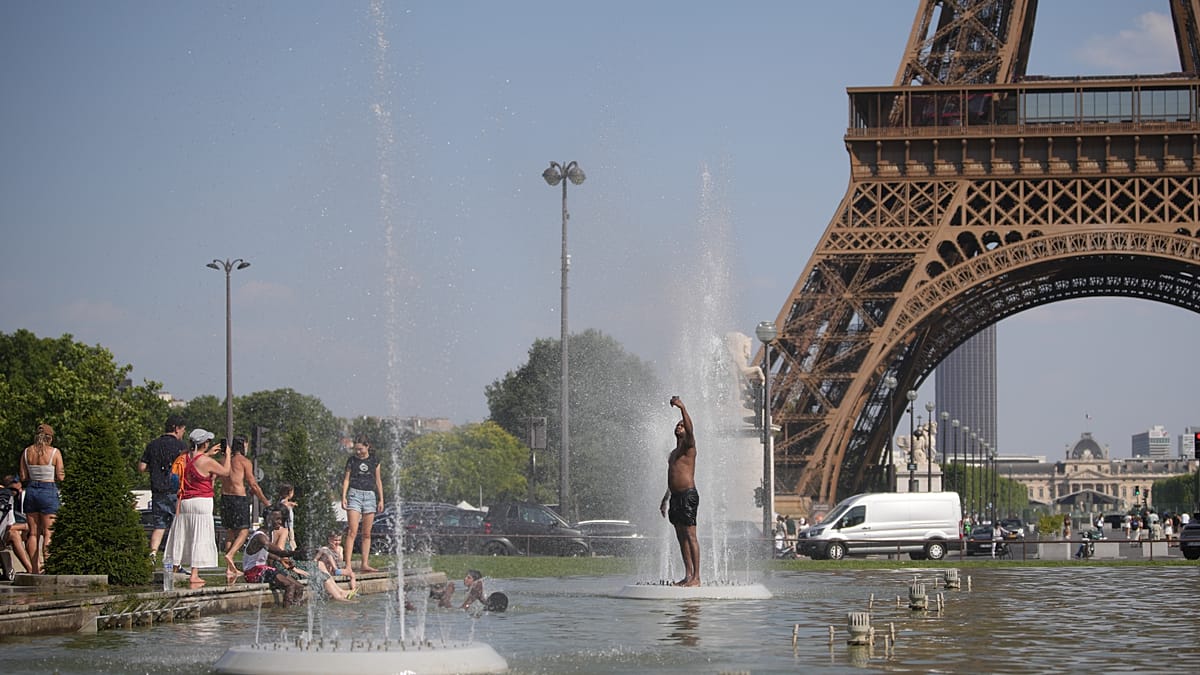
Authorities across Europe have taken emergency steps. In Paris, alcohol consumption in public was banned over the weekend to reduce pressure on emergency services, and the city's Pride March was postponed. The Eiffel Tower and Louvre Museum closed early. French Prime Minister Sébastien Lecornu convened a special cabinet meeting to review the response and prepare for further heat, as the national weather service anticipates another episode in July. Berlin police deployed water cannons to cool residents, including at a Bruno Mars concert. Belgium cancelled the annual reenactment of the Battle of Waterloo, citing safety concerns. France has allocated over €130 million for cooling systems and renovations in schools and nurseries.
More than 130 million people across central and eastern Europe faced temperatures above 35°C on Monday, according to AFP analysis. The death toll includes children who died in locked cars and young people who drowned in unsupervised swimming spots. France recorded around 1,000 excess deaths since 24 June, mostly among those aged 65 and over, and at least 74 drowning deaths since 18 June. Poland reported 17 drownings in a single day on Sunday.
The heat moves east: Balkans and Ukraine under pressure
The heatwave is now bearing down on the Balkans and pushing into Ukraine. Hungary, Serbia, Romania, Croatia, Austria, southern Poland, and western Ukraine are expected to see temperatures above 35°C, with Bosnia and Albania forecasting up to 40°C. Firefighters in Bosnia are battling wildfires, including a landfill fire near Mostar that has blanketed the area in smoke.
Ukraine faces a particularly acute challenge. Russian drone and missile attacks have severely damaged the country's energy network since the invasion in February 2022, causing tens of billions of euros in damage and leading to frequent power outages. Grid operators in at least five regions, from Ivano-Frankivsk in the west to Zaporizhzhia on the front line, have announced temporary energy restrictions. Sergii Kovalenko, CEO of energy company Yasno, said the grid is 'operating at the limit of its capabilities' due to ongoing summer repair work following winter attacks. For more on this, see our analysis of Ukraine's energy grid strain.
Experts expect the heat to persist for several more days before moving further east toward Turkey and central Asia. A storm front may bring some relief to the Balkans from Tuesday night, but temperatures are expected to remain elevated. The broader context of Europe's vulnerability to extreme heat is explored in our report on the class divide over air conditioning.