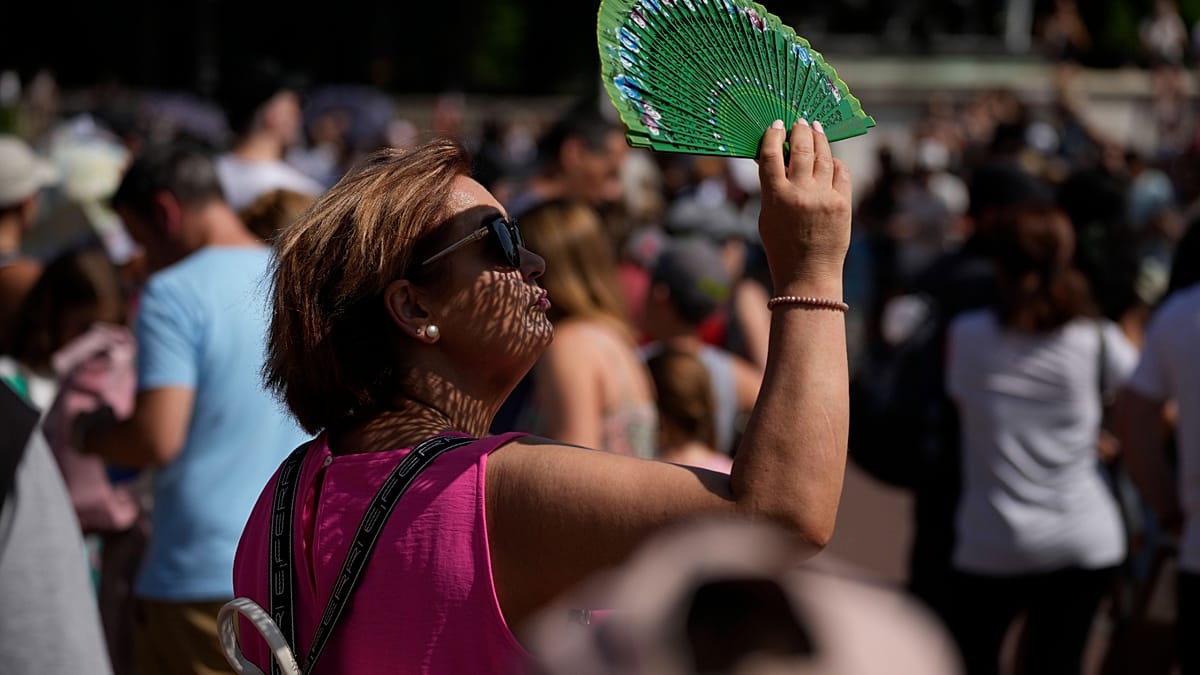
As summer temperatures across Europe climb toward 40°C in cities from Paris to Rome, the continent is bracing for another intense heatwave. While the heat may feel merely uncomfortable, it poses a serious health threat — one that is largely preventable with the right precautions.
“Heatwaves are not just uncomfortable — they are one of the deadliest weather events in Europe, but most heat‑related illness is preventable with simple measures,” Dr. Tiago Villanueva, president of the European Union of General Practitioners / Family Physicians, told Euronews Health.
Understanding the Body's Limits
During prolonged heat exposure, the body's natural cooling mechanisms — primarily sweating and increased blood flow to the skin — become overwhelmed. This can lead to heat exhaustion or, in severe cases, heatstroke. The extra strain on the heart and kidneys also exacerbates existing chronic conditions, making extreme heat particularly dangerous for vulnerable populations.
One often overlooked factor is the lack of overnight cooling. A “tropical night,” when temperatures remain above 20°C, prevents the body from recovering from daytime heat. This disrupts sleep, stresses the cardiovascular system, and has been linked to higher mortality rates during heatwaves.
Practical Cooling Strategies
During the hottest hours — typically between 11:00 and 16:00 — experts recommend staying indoors. Keep windows and shutters closed to block out the sun, and ventilate your home only during the cooler morning and evening hours. The World Health Organization (WHO) advises using electric fans only when temperatures are below 40°C; above that threshold, fans circulate hot air and can actually increase body heat.
If you must go outside, wear loose-fitting, light-coloured clothing made from breathable fabrics like cotton or linen. These materials also make the best bedding for hot nights. Beyond comfort, clothing provides essential protection from ultraviolet (UV) radiation, which can cause sunburn and increase skin cancer risk.
Sun Protection and Hydration
Avoid direct sun exposure during midday, and apply sunscreen every two hours. Look for signs that your sunscreen needs reapplication — dry, red, or burnt-feeling skin. A hat or cap is crucial if you are outdoors during peak hours, and sunglasses with UV protection are essential. According to Bryce St. Clair at Johns Hopkins Medicine, brown, green, and grey lenses offer the best protection, while yellow lenses provide less.
Hydration is key. The WHO recommends drinking at least two to three litres of water daily. “Do not wait until you are thirsty,” Villanueva stressed. Avoid excessive alcohol and caffeine, as they act as diuretics and worsen dehydration.
Recognising Warning Signs
Even with precautions, heat-related illness can strike. Watch for dizziness, nausea, fatigue, weakness, and confusion — early signs of heat exhaustion or heatstroke. If you or someone else experiences these symptoms, cool down immediately: take a cool shower or bath, spray water on the skin, drink fluids, and seek medical advice if symptoms worsen.
Not everyone faces the same risk. “Those at higher risk include older adults, especially over 65, people with chronic diseases, infants and young children, socially isolated individuals, outdoor workers and homeless populations,” Villanueva noted. Children sweat less per kilogram of body weight and have a higher metabolic rate, causing them to heat up faster. People on certain medications — both prescription and over-the-counter — may also have impaired temperature regulation or hydration.
As Europe confronts more frequent and intense heatwaves, these simple measures can make the difference between a manageable summer and a deadly one. For more on how communities are adapting, read about France's Troglodyte Village of Trôo Offers Natural Cooling as Heatwaves Intensify and the broader Heatwaves in France: 5,400 Annual Deaths and Deepening Social Inequalities.