The European Commission has revived the idea of a European Security Council, pitching it as a way to better prepare the bloc for sabotage, cyberattacks, and other external threats. In her State of the Union address, Commission President Ursula von der Leyen backed the plan, saying Europe needs its own counter-hybrid playbook. The proposal comes amid rising concerns over Russian interference, including drone incursions and attacks on undersea cables.
The concept is not new. French President Emmanuel Macron first floated it in 2017, and France and Germany reaffirmed their support in a 2018 declaration. Now, Brussels is giving it concrete form with a three-part package: a leaders' forum for strategic direction, an Emergency Security Protocol for rapid response to hybrid incidents, and a Strategic Enablers Instrument to fund shared military capabilities.
What would the new body do?
The proposed Security Council would sit alongside NATO, not replace it. It is expected to include all 27 EU member states plus the UK, Norway, Ukraine, and Canada. The Emergency Security Protocol, modelled on NATO's Article 4, would allow a country hit by a hybrid attack to convene all members to coordinate attribution, sanctions, and diplomatic responses.
Brussels insists the plan is not a rival to NATO, which focuses on collective defence. Instead, it aims to fill a gap in the EU's ability to respond to threats that fall below the threshold of armed conflict. Von der Leyen has called for a dedicated counter-hybrid playbook, arguing that Europe must be able to act swiftly and cohesively.
Critics: same tools, new label?
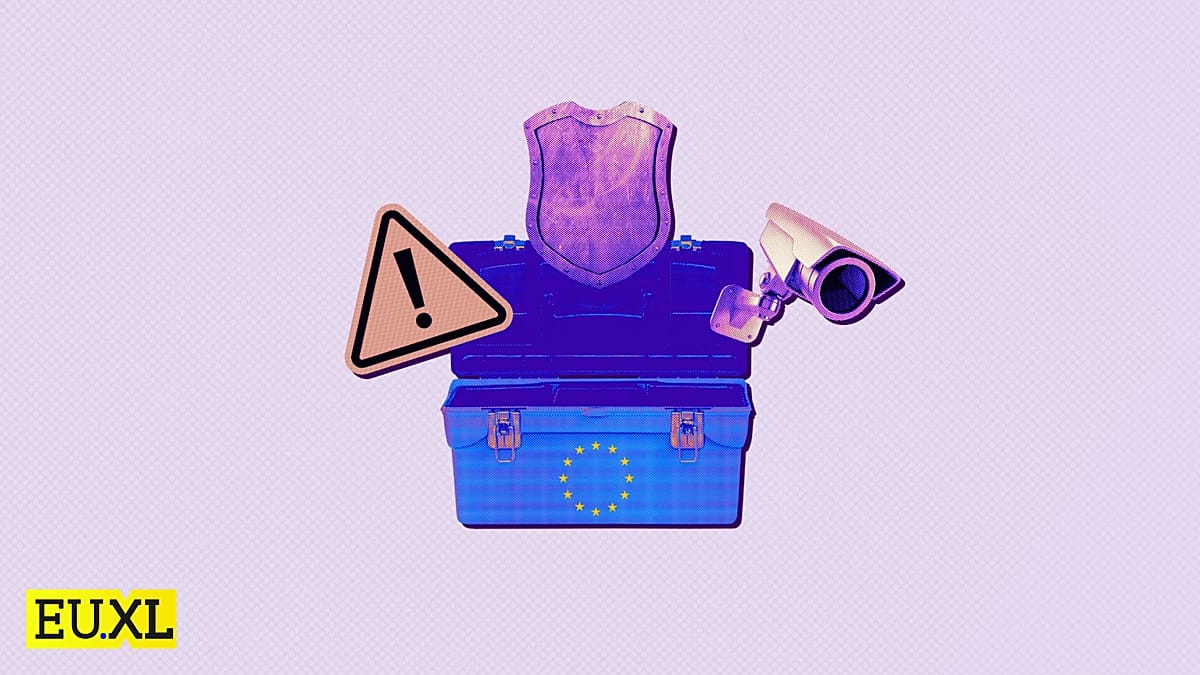
But experts and critics are sceptical. They point out that the EU already has a Hybrid Toolbox, Rapid Response Teams, and the Integrated Political Crisis Response (IPCR) mechanism. The problem, they argue, is not a lack of forums but a lack of decision-making power. The unanimity rule, which requires all member states to agree on sanctions and other measures, remains a major obstacle.
“The EU has plenty of meetings and mechanisms,” said one Brussels-based analyst. “What it lacks is the ability to make quick, binding decisions when a crisis hits.” Without reforming the unanimity rule, the new Council risks becoming another talking shop, they warned.
The proposal has also drawn attention to the broader debate on European defence. As NATO warns of escalating hybrid attacks, the EU is under pressure to show it can act. The expansion of Russia sanctions by 1,646 names is one example of the bloc's response, but critics say such measures are reactive rather than preventive.
The inclusion of non-EU partners like the UK, Norway, and Ukraine is seen as a positive step, reflecting the reality that hybrid threats do not respect borders. However, questions remain about how the new body would interact with existing structures, including the EU's own security initiatives and NATO's command structure.
Some member states, particularly those with strong Atlanticist traditions, are wary of duplicating NATO efforts. Others, like France, have long pushed for greater European strategic autonomy. The debate is likely to intensify as the EU prepares its next multi-annual budget, which will determine funding for the Strategic Enablers Instrument.
For now, the European Security Council remains a proposal. Whether it becomes a genuine tool for collective security or just another layer of bureaucracy will depend on the political will of member states. As one diplomat put it, “We don't need more architecture; we need more action.”