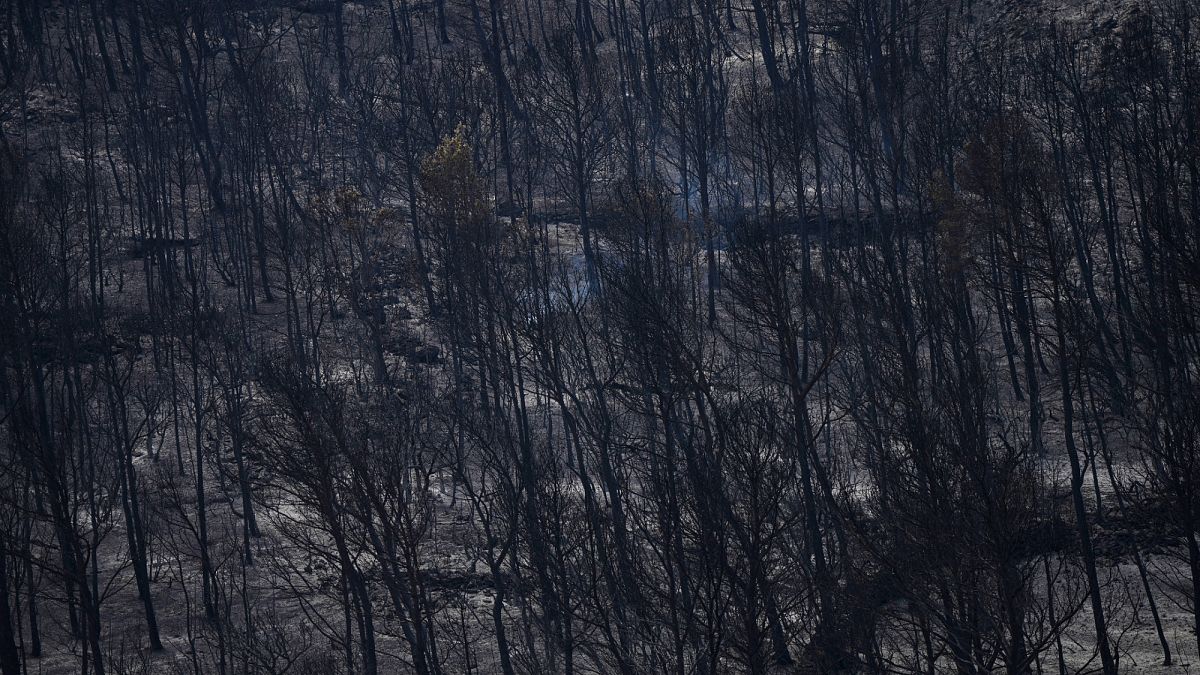
A wildfire in the Aude department of southern France has burned more than 800 hectares overnight, forcing evacuations and straining firefighting resources. The blaze, which spread from the neighbouring Hérault department, is being driven by dry conditions and strong winds typical of the region.
Firefighters from multiple brigades have been deployed to contain the flames, with aerial support including water-bombing aircraft. Local authorities have urged residents in affected areas to remain vigilant and follow evacuation orders. The fire is the latest in a series of wildfires across southern Europe this summer, exacerbated by a prolonged heatwave.
Regional Context and Recent Wildfires
Southern France has experienced several significant wildfires in recent weeks. In June, a heatwave-driven wildfire forced the evacuation of 3,000 people in the same region. The current fire in Aude follows a pattern of increasing wildfire risk linked to climate change, with hotter and drier summers making vegetation more flammable.
Across the border in Spain, the Costa Brava wildfire burned 750 hectares and confined 12,000 people as the Tramontane wind fanned the flames. In Portugal, authorities mobilised over 1,000 firefighters to combat wildfires fuelled by a heatwave. These events underscore the broader challenge facing Mediterranean Europe as it adapts to a changing climate.
The French government has faced criticism over its preparedness for wildfires, with some local officials calling for more investment in firefighting infrastructure and prevention measures. The European Union has also stepped up its support, deploying firefighting aircraft from its rescEU fleet to assist member states during peak wildfire season.
As the fire in Aude continues to burn, meteorologists warn that the risk of further wildfires remains high due to ongoing dry conditions and forecasts of strong winds. Residents are advised to stay informed through local authorities and to avoid areas affected by the fire.